

On This Day in Lifestyles: January 4, 2010
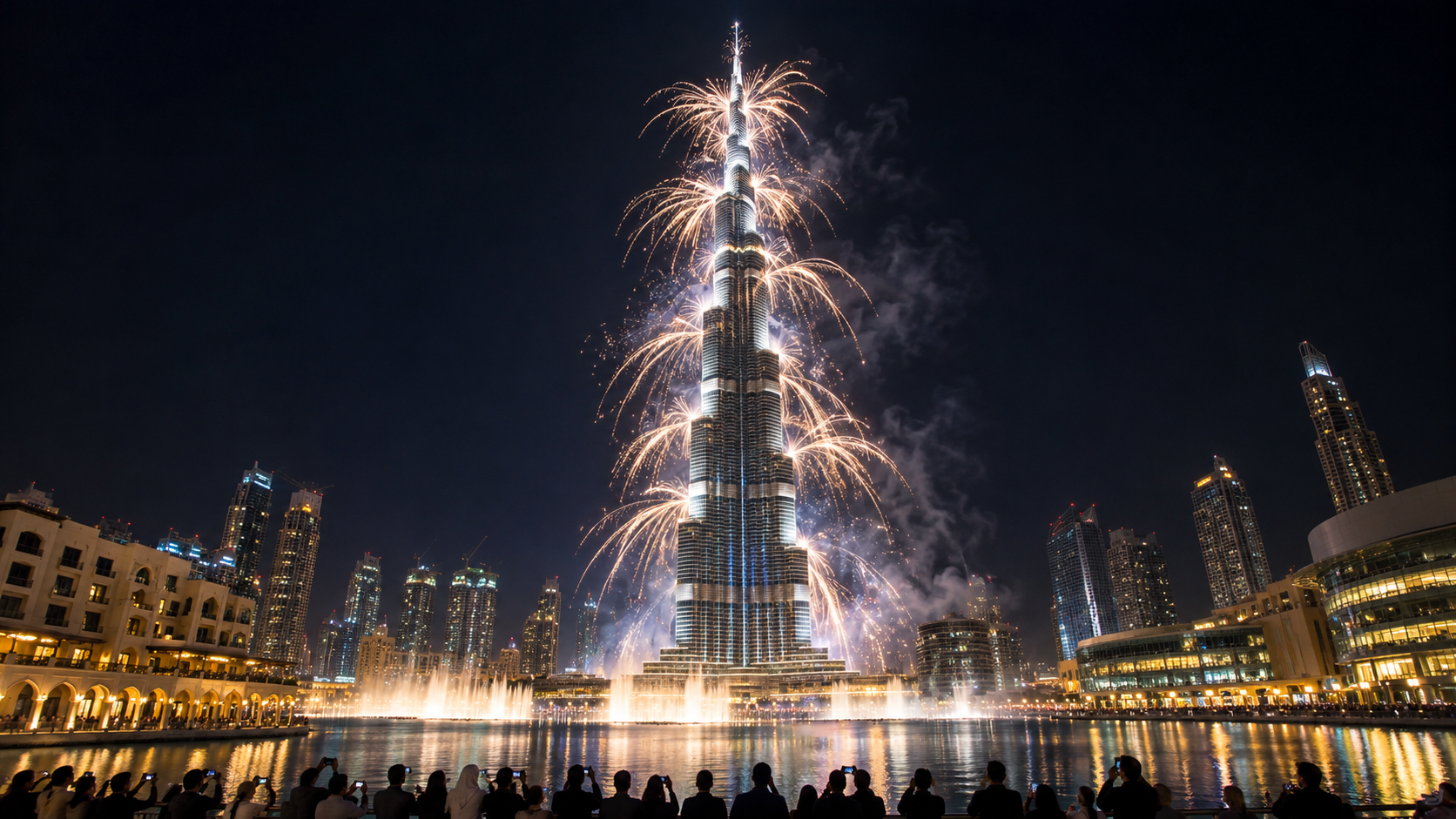
On January 4, 2010, Dubai inaugurated Burj Khalifa, the 828-meter tower that became the tallest building in the world. During the ceremony, the project previously known as Burj Dubai was renamed in honor of Sheikh Khalifa bin Zayed Al Nahyan, president of the United Arab Emirates and ruler of neighboring Abu Dhabi. Fireworks, light projections, and performances framed the skyscraper as a national achievement. The celebration also arrived after the global financial crisis had exposed Dubai’s heavy debts, giving the name change an unmistakable backdrop of regional support. The inauguration deliberately presented the tower as a shared Emirati landmark rather than merely the centerpiece of a private development.
Construction had begun in 2004 on a design by Skidmore, Owings & Merrill, with architect Adrian Smith and structural engineer Bill Baker playing leading roles. Its Y-shaped plan placed three wings around a central core. As the tower rose, the wings stepped back at different heights, reducing wind forces and creating the tapering profile visible across the city. Engineers used a “buttressed core” system in which each wing reinforced the others. The structure incorporated enormous quantities of concrete and steel, while specialized pumping and construction methods carried materials to heights no previous building crew had reached. Wind-tunnel testing guided the setbacks and orientation, because controlling motion and pressure was essential to comfort as well as structural safety.
Burj Khalifa was planned as more than an observation tower. It combined residences, offices, restaurants, viewing decks, and the Armani Hotel within the larger Downtown Dubai development, near the Dubai Mall and a choreographed fountain. Occupancy opened in stages rather than all at once; the hotel welcomed guests later in 2010. The building’s height and mix of uses helped make it a global tourist image, but they also tied its daily operation to elevators, cooling, maintenance, water systems, and a workforce capable of managing a vertical district.
The opening changed both Dubai’s skyline and the ambitions associated with supertall buildings. At 163 occupied floors in the Council on Tall Buildings and Urban Habitat’s records, it surpassed earlier height categories by a dramatic margin and held multiple world records. Its success encouraged projects elsewhere to compete through extreme height, distinctive silhouettes, and mixed-use planning. Yet Burj Khalifa’s legacy is not simply a number. It shows how architecture can become branding, infrastructure, real estate, and public spectacle at the same time. The tower remains a symbol of engineering ingenuity while continuing to prompt questions about resource use, labor, finance, and the social priorities expressed by monumental urban development.
Burj Khalifa was inaugurated in Dubai on January 4, 2010, and renamed that evening from Burj Dubai in honor of the UAE’s president.
At 828 meters, the tower became the world’s tallest building and far exceeded the height of earlier record holders.
The Y-shaped plan and buttressed-core structure let three wings support one another while stepped setbacks helped disrupt powerful wind forces.
The tower functions as a vertical mixed-use district containing homes, offices, hospitality, restaurants, observation areas, and extensive service infrastructure.
The opening made extreme height central to Dubai’s global image and influenced later supertall projects around the world.
Its legacy combines engineering achievement with continuing debates about urban branding, finance, labor, energy, water, and the priorities behind monumental construction.
Explore more of “This Day in Lifestyles”
Discover more moments in everyday life, design, education, travel, food, fashion, and culture. Each story connects a calendar date with an event that changed how people lived.