

On This Day in Lifestyles: January 31, 1893
On January 31, 1893, the Coca-Cola name received federal trademark registration in the United States for tonic beverages. The drink itself had been introduced in Atlanta in 1886, and bookkeeper Frank M. Robinson had written its distinctive name in flowing script. Registration gave the growing business legal protection for an identity that consumers could recognize beyond a single soda fountain. It was an early landmark in the rise of modern branding, when a name, lettering style, and promise of consistency became nearly as important as the product in the glass.
In the late nineteenth century, carbonated drinks were commonly mixed and served by pharmacists at soda fountains. Coca-Cola began in that world, sold by the glass and promoted with painted signs, calendars, coupons, and newspaper advertisements. A trademark helped buyers distinguish it from imitators as distribution widened. The repeated red-and-white imagery, Spencerian script, and memorable two-word name turned a local formula into a portable identity. Wherever the mark appeared, consumers were encouraged to expect a familiar taste and experience.
That strategy shaped the settings of everyday leisure. Soda fountains became social spaces, bottling made drinks available beyond pharmacy counters, and branded coolers, clocks, trays, and signs entered shops and restaurants. Advertising linked a beverage with refreshment, friendship, sport, holidays, and modern life. Coca-Cola later became a global company, but its visual language also generated debate about commercial influence, health, labor, water use, and packaging waste. The mark’s reach demonstrates both the effectiveness of branding and the responsibilities that accompany cultural scale.
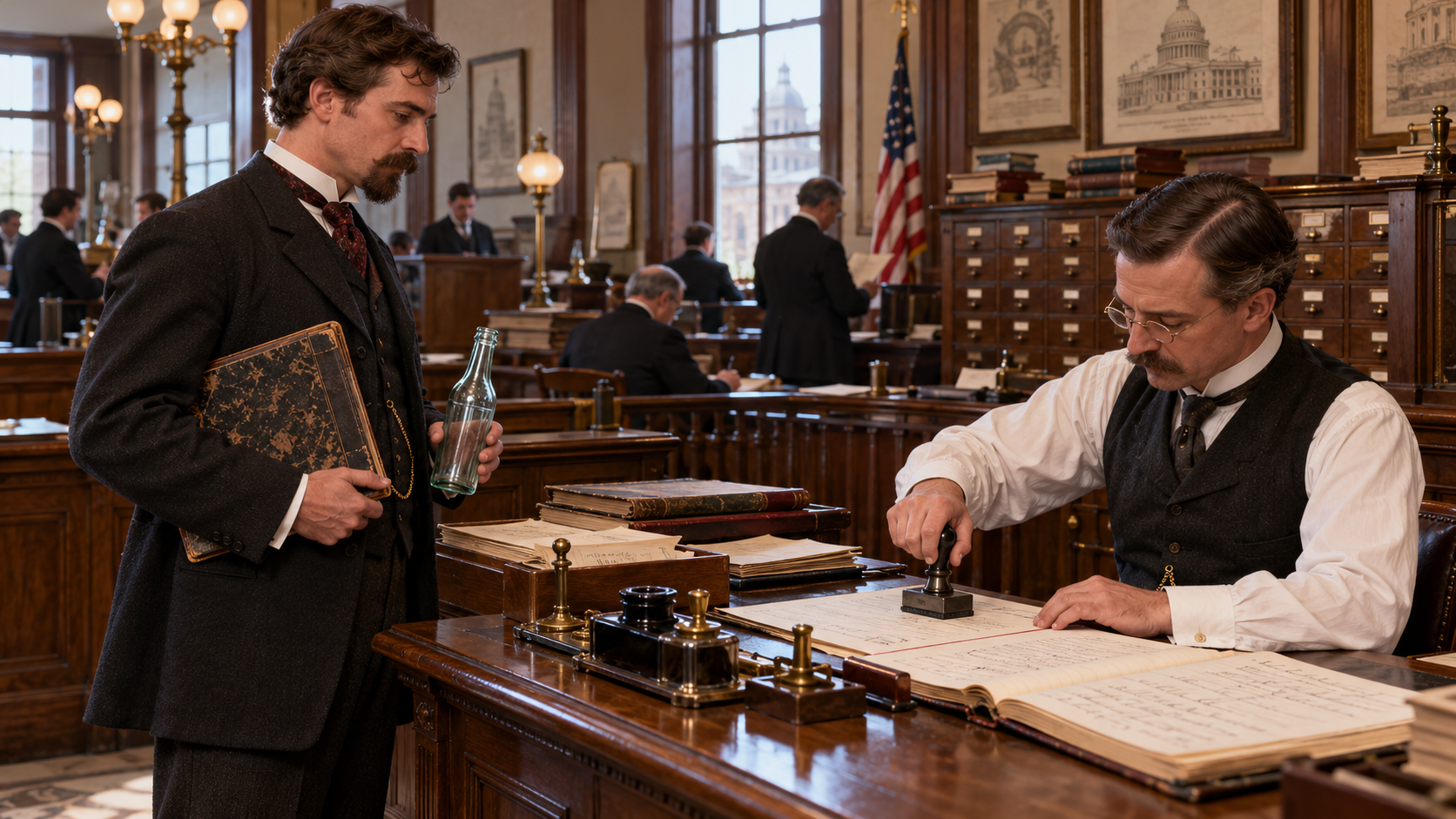
Today, trademarks help people navigate crowded shelves, apps, restaurants, and online marketplaces. A familiar name can signal source and consistency, but it can also carry memories and emotions built through years of advertising. The 1893 registration did not create Coca-Cola’s formula or its script, yet it formalized ownership of an identity that would become one of the world’s most recognizable. On this day, a legal entry at the Patent Office illustrated a changing consumer culture in which design, reputation, and daily habits were increasingly connected. The registration also reflected a marketplace becoming more national. Railroads, printed advertising, and standardized bottling allowed goods to travel farther than the reputation of a local shopkeeper. Trademarks gave buyers a shortcut for choosing among unfamiliar products, while giving companies an asset that could be licensed, defended, and repeated across regions. That system helped modern consumer culture expand beyond face-to-face trust.
The federal registration protected the Coca-Cola name as a trademark for tonic beverages.
The product had been served since 1886, but registration strengthened the company's claim to its recognizable market identity.
Signs, calendars, coupons, serving trays, coolers, and newspaper ads repeated the same name and visual style.
That consistency helped consumers recognize a product as it moved from local soda fountains into wider distribution.
A trademark can carry expectations about source and consistency along with memories created by advertising and social experience.
Global recognition also brings scrutiny of health, environmental impact, labor, and the influence of commercial culture.
Explore more of “This Day in Lifestyles”
Discover more moments in everyday life, design, education, travel, food, fashion, and culture. Each story connects a calendar date with an event that changed how people lived.