

On This Day in Lifestyles: February 7, 1926
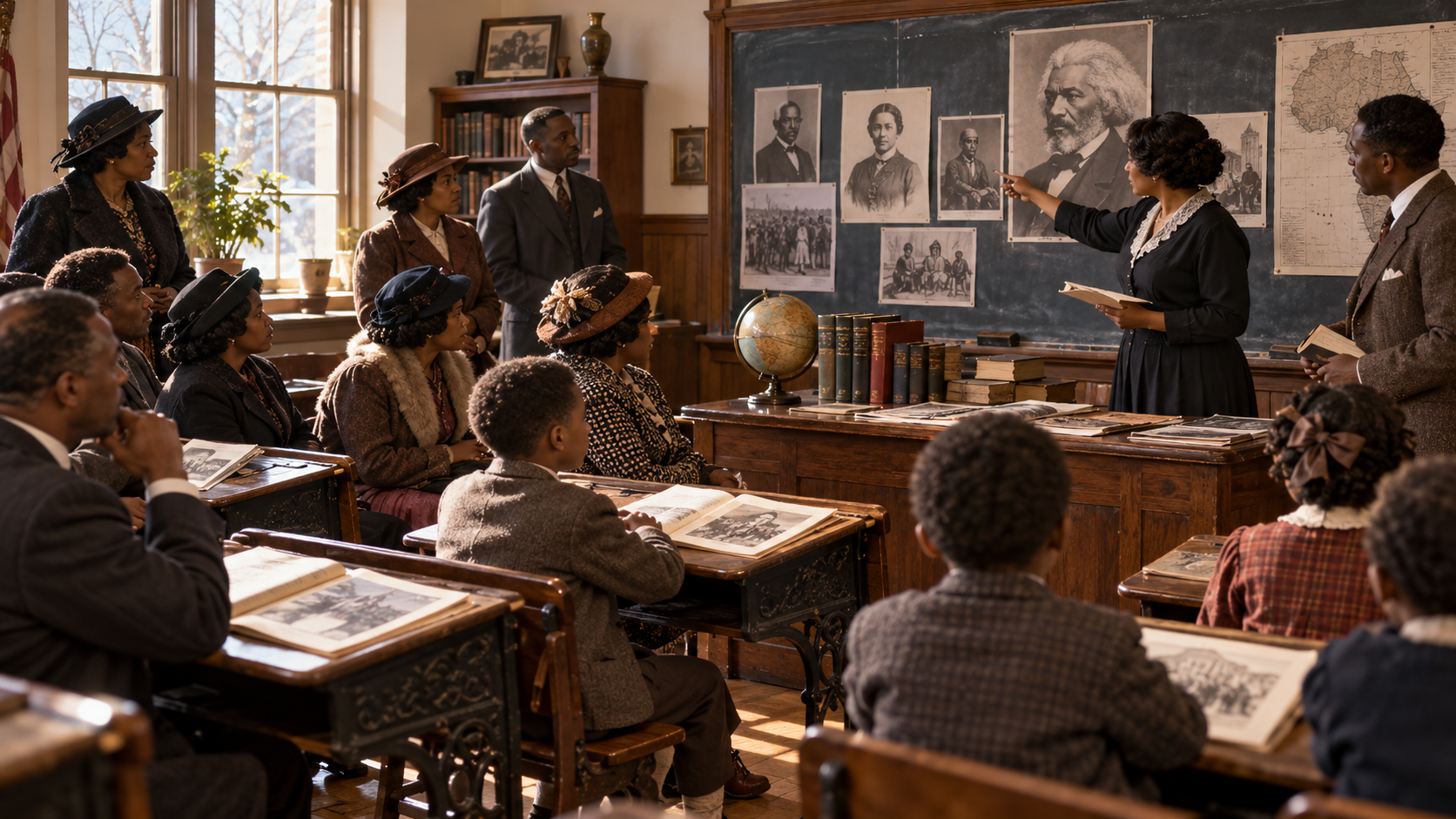
On February 7, 1926, the first Negro History Week began, giving schools and communities a coordinated period for studying Black history and achievement. Historian Carter G. Woodson and the Association for the Study of Negro Life and History promoted the observance during the week containing the birthdays of Abraham Lincoln and Frederick Douglass. The program turned scholarship into organized public education. The date matters because it converted years of preparation into something the public could encounter directly. A broad change in culture became visible at human scale, through choices, routines, and spaces that ordinary people could recognize.
Woodson had founded the association in 1915 and launched a scholarly journal the following year because Black life was routinely excluded, distorted, or reduced to stereotypes in textbooks and public memory. He believed historical knowledge could strengthen communities and challenge racism. Teachers, churches, clubs, newspapers, and civic groups became essential partners, translating research into lessons, exhibits, lectures, and celebrations. That context explains why the milestone resonated beyond a single institution. Ideas that had once seemed specialized or remote were moving into public life, where they could be tested, repeated, debated, and woven into daily experience.
The week did not merely add famous names to an unchanged story. It encouraged students to examine family experience, labor, political organizing, literature, art, education, and institution-building. Local programs varied, but their common calendar created momentum and visibility. Printed study materials helped educators who lacked reliable resources, while community gatherings made history a shared practice beyond the classroom. The immediate impact was practical as well as symbolic. Participants adjusted habits and expectations, while newspapers, photographs, advertising, and conversation carried the story outward. The excitement of novelty existed alongside limits that later memory can easily smooth away.
The observance expanded across decades and helped inspire Black History Month, officially recognized nationally in the 1970s. Its legacy remains both celebratory and corrective: it honors accomplishment while confronting the systems that made recovery of the record necessary. Current debates about curricula show that Woodson’s core question endures—whose experiences are treated as central to the national story, and who decides? Its legacy is larger than an anniversary. The event survives in institutions and habits people now take for granted, while also inviting questions about access, representation, responsibility, and preservation. Looking back restores the human decisions behind a familiar part of modern life. The anniversary also reminds us that everyday life is where large historical forces become personal, repeated, debated, and ultimately durable.
Historian Carter G. Woodson and the Association for the Study of Negro Life and History promoted the first national week.
This detail helps place the anniversary in its original setting.
The selected week included the birthdays of Abraham Lincoln and Frederick Douglass, dates already marked in many Black communities.
The wider context explains why the moment drew public attention.
Schools and community groups sustained the program until it expanded into the broader observance now known as Black History Month.
Its legacy remains visible in contemporary culture and everyday life.
Explore more of “This Day in Lifestyles”
Discover more moments in everyday life, design, education, travel, food, fashion, and culture. Each story connects a calendar date with an event that changed how people lived.