

On This Day in Lifestyles: February 8, 1910
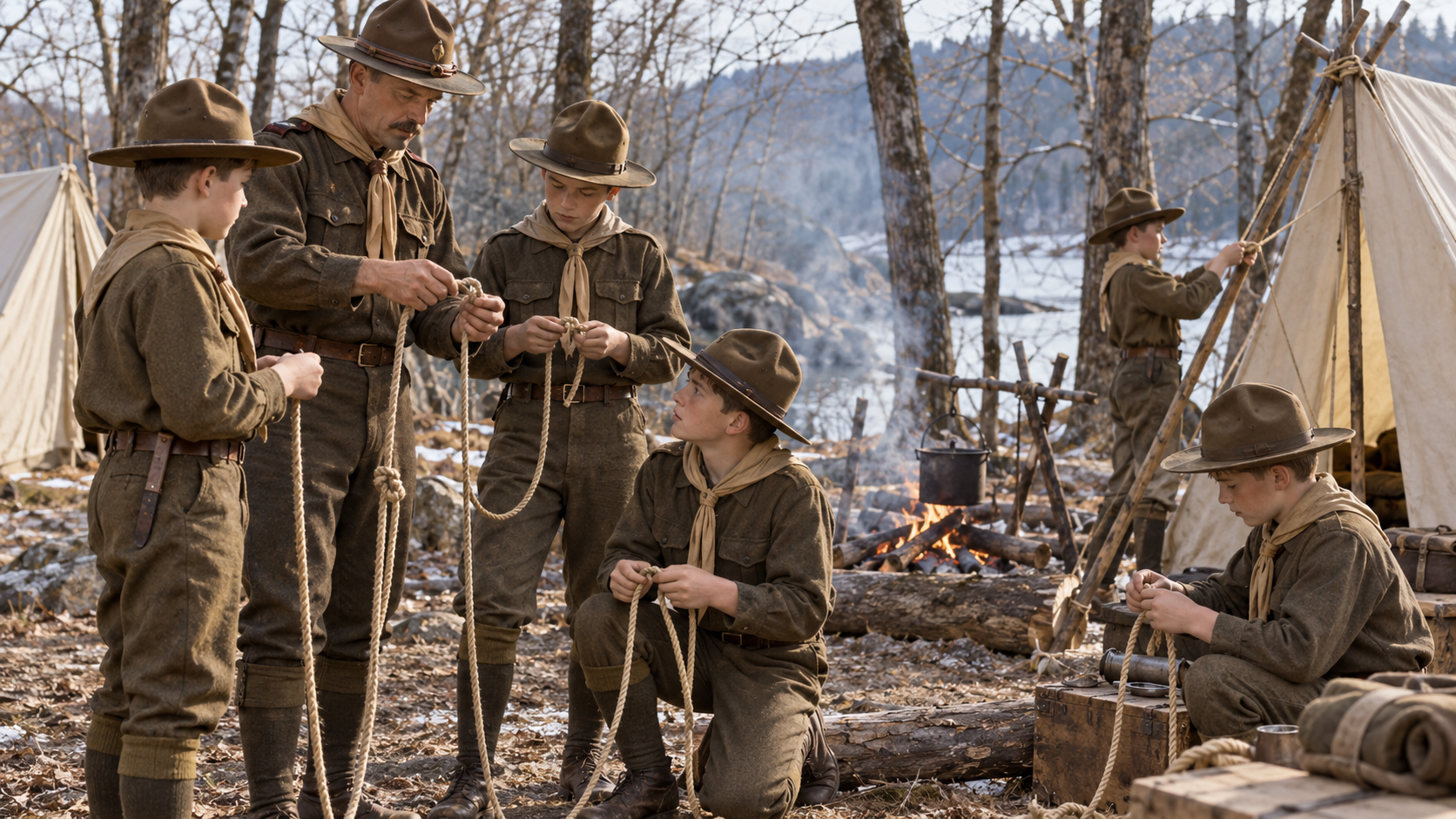
On February 8, 1910, the Boy Scouts of America was incorporated in Washington, D.C. The new organization promised boys structured experiences in camping, first aid, navigation, craftsmanship, citizenship, and service. Uniforms, patrols, badges, and ceremonies gave the movement a recognizable culture, while local troops created recurring spaces where adult volunteers and young people learned together. What happened that day brought a long-developing idea into public view. The headline was important, but so was the experience around it: people could finally enter, read, watch, use, or discuss a change that previously belonged mostly to plans and specialists.
Scouting drew on British precedents and on American youth and outdoor movements already experimenting with nature study and character education. Industrialization and urban growth had fueled concern that boys were losing practical skills and contact with the outdoors. Supporters saw camping and disciplined group activity as ways to develop self-reliance, cooperation, public spirit, and physical confidence outside the classroom. The background reveals how social need, technology, commerce, and imagination had gradually converged. No milestone appears from nowhere; it depends on earlier experiments, patient labor, institutions willing to invest, and audiences prepared to make the new development meaningful.
The program translated broad ideals into small tasks: tie a secure knot, read a map, cook over a fire, care for an injury, complete a service project. Earning badges made progress visible and collectible. Summer camps and troop meetings also produced friendships and family traditions. At the same time, the organization reflected the exclusions and assumptions of its era, which later generations pressed it to reconsider. Contemporaries experienced both promise and friction. New systems rarely fit existing routines perfectly, so users and organizers learned through practice. Publicity amplified the breakthrough, but personal encounters—curiosity, inconvenience, pride, resistance, or delight—gave it emotional force.
Scouting became one of the most influential youth organizations in the United States, shaping recreation, volunteering, conservation, and ideas about leadership. Its long history includes institutional failures and debates over membership, safety, and inclusion alongside millions of personal experiences. The 1910 incorporation matters because it formalized a durable model: community-based mentors using shared challenges to help young people practice responsibility. The anniversary endures because the underlying questions remain current. Who gets to participate, what values a system expresses, and how change reshapes relationships are not settled once. The historical moment offers a clear starting point for understanding choices still visible today. The anniversary also reminds us that everyday life is where large historical forces become personal, repeated, debated, and ultimately durable.
The Boy Scouts of America became a formal national organization on February 8, 1910.
This detail helps place the anniversary in its original setting.
Programs emphasized camping, first aid, navigation, craft skills, citizenship, teamwork, and community service.
The wider context explains why the moment drew public attention.
Families and reformers valued structured outdoor experience as cities and industrial life changed childhood routines.
Its legacy remains visible in contemporary culture and everyday life.
Explore more of “This Day in Lifestyles”
Discover more moments in everyday life, design, education, travel, food, fashion, and culture. Each story connects a calendar date with an event that changed how people lived.