

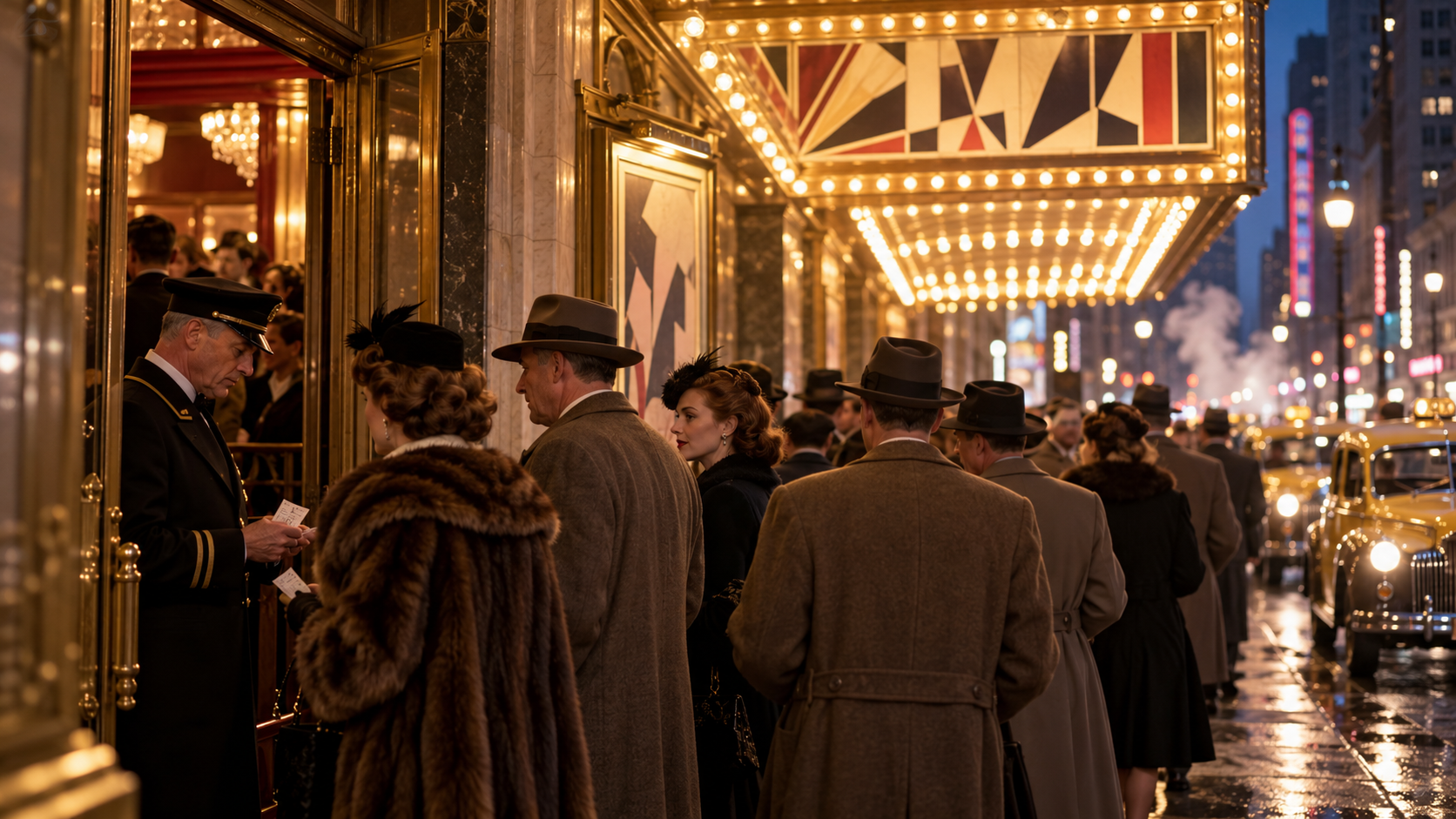
On This Day in Lifestyles: February 10, 1949
On February 10, 1949, Arthur Miller’s Death of a Salesman opened at the Morosco Theatre on Broadway. The play followed traveling salesman Willy Loman and his family through memory, disappointment, affection, and economic pressure. Its opening brought an intimate domestic tragedy into a major commercial theater, asking audiences to take an ordinary worker’s hopes as seriously as the downfall of a king. The date matters because it converted years of preparation into something the public could encounter directly. A broad change in culture became visible at human scale, through choices, routines, and spaces that ordinary people could recognize.
Postwar American culture celebrated prosperity, mobility, homeownership, and personal success, but the play exposed the anxiety beneath those promises. Willy measures himself through sales, popularity, and imagined opportunity, while his family confronts the damage caused by unattainable expectations. Director Elia Kazan and a distinguished cast helped shape a production that moved fluidly between present action and recollection. That context explains why the milestone resonated beyond a single institution. Ideas that had once seemed specialized or remote were moving into public life, where they could be tested, repeated, debated, and woven into daily experience.
The staging made the Loman home feel both concrete and permeable, with the surrounding city pressing close. Audiences watched private arguments open into larger questions about work, masculinity, aging, parenting, and dignity. The play’s language mixed ordinary conversation with poetic intensity. Reviews and word of mouth made it a major event, and the production went on to win prominent honors including the Pulitzer Prize. The immediate impact was practical as well as symbolic. Participants adjusted habits and expectations, while newspapers, photographs, advertising, and conversation carried the story outward. The excitement of novelty existed alongside limits that later memory can easily smooth away.
Death of a Salesman remains widely produced and taught because its central bargain still feels familiar: work hard, perform confidence, and success should follow. Different actors and eras reveal new dimensions in the family’s race, class, culture, and economic vulnerability. The 1949 opening marks the arrival of a drama that made the pressures of earning a living inseparable from the stories people tell about their worth. Its legacy is larger than an anniversary. The event survives in institutions and habits people now take for granted, while also inviting questions about access, representation, responsibility, and preservation. Looking back restores the human decisions behind a familiar part of modern life. The anniversary also reminds us that everyday life is where large historical forces become personal, repeated, debated, and ultimately durable.
Arthur Miller’s Death of a Salesman began its Broadway run at the Morosco Theatre.
This detail helps place the anniversary in its original setting.
It treated an ordinary worker’s family and economic disappointments with the scale and seriousness of tragedy.
The wider context explains why the moment drew public attention.
Its questions about work, success, aging, parenting, and personal worth continue to resonate across generations.
Its legacy remains visible in contemporary culture and everyday life.
Explore more of “This Day in Lifestyles”
Discover more moments in everyday life, design, education, travel, food, fashion, and culture. Each story connects a calendar date with an event that changed how people lived.