

On This Day in Lifestyles: February 22, 1879
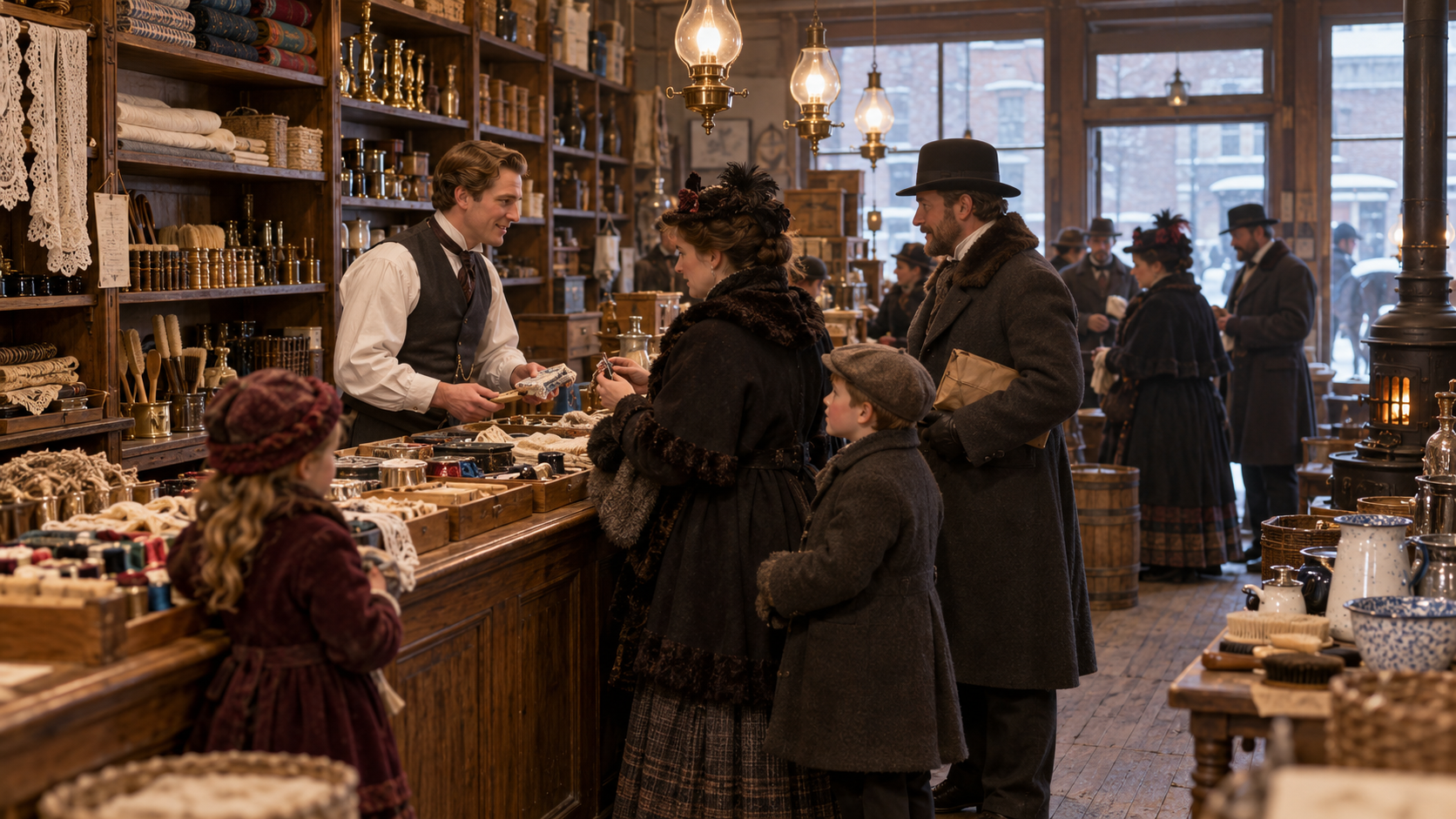
On February 22, 1879, Frank Winfield Woolworth opened his first Great Five Cent Store in Utica, New York. The modest shop displayed inexpensive household goods at a fixed nickel price, allowing customers to see what items cost without bargaining or asking a clerk. The Utica venture failed quickly, but its retail experiment pointed toward a format Woolworth would refine elsewhere. The date matters because it converted years of preparation into something the public could encounter directly. A broad change in culture became visible at human scale, through choices, routines, and spaces that ordinary people could recognize.
Nineteenth-century shopping often involved goods kept behind counters, individual service, and prices that were not always prominently marked. Industrial production was making small manufactured items more abundant, while growing towns created demand for affordable notions, kitchen tools, stationery, toys, and personal goods. Woolworth’s idea connected those changes through transparent low pricing and dense, tempting displays. That context explains why the milestone resonated beyond a single institution. Ideas that had once seemed specialized or remote were moving into public life, where they could be tested, repeated, debated, and woven into daily experience.
The unsuccessful first store taught practical lessons about location, assortment, and customer demand. Woolworth soon tried again in Lancaster, Pennsylvania, with better results, then expanded through partnerships and a growing chain. Five-and-dime stores made browsing part of the experience. Children and working families could enter, compare many small items, and make purchases with limited cash and little formality. The immediate impact was practical as well as symbolic. Participants adjusted habits and expectations, while newspapers, photographs, advertising, and conversation carried the story outward. The excitement of novelty existed alongside limits that later memory can easily smooth away.
The chain eventually became an international retail power and a fixture of downtown life, though it later declined as malls, discount stores, and new shopping patterns changed the market. Woolworth counters also became important sites in civil-rights history when protesters challenged segregated service. The first Utica opening matters because even failure helped develop a store model that reshaped prices, browsing, and mass consumption. Its legacy is larger than an anniversary. The event survives in institutions and habits people now take for granted, while also inviting questions about access, representation, responsibility, and preservation. Looking back restores the human decisions behind a familiar part of modern life. The anniversary also reminds us that everyday life is where large historical forces become personal, repeated, debated, and ultimately durable.
No. The Utica shop closed quickly, but Woolworth used the experience to improve later stores.
This detail helps place the anniversary in its original setting.
Visible fixed prices and open displays made inexpensive household goods easy to browse and compare.
The wider context explains why the moment drew public attention.
A stronger second store led to a vast five-and-dime chain that became part of downtown shopping life.
Its legacy remains visible in contemporary culture and everyday life.
Explore more of “This Day in Lifestyles”
Discover more moments in everyday life, design, education, travel, food, fashion, and culture. Each story connects a calendar date with an event that changed how people lived.