

On This Day in Lifestyles: February 29, 1940
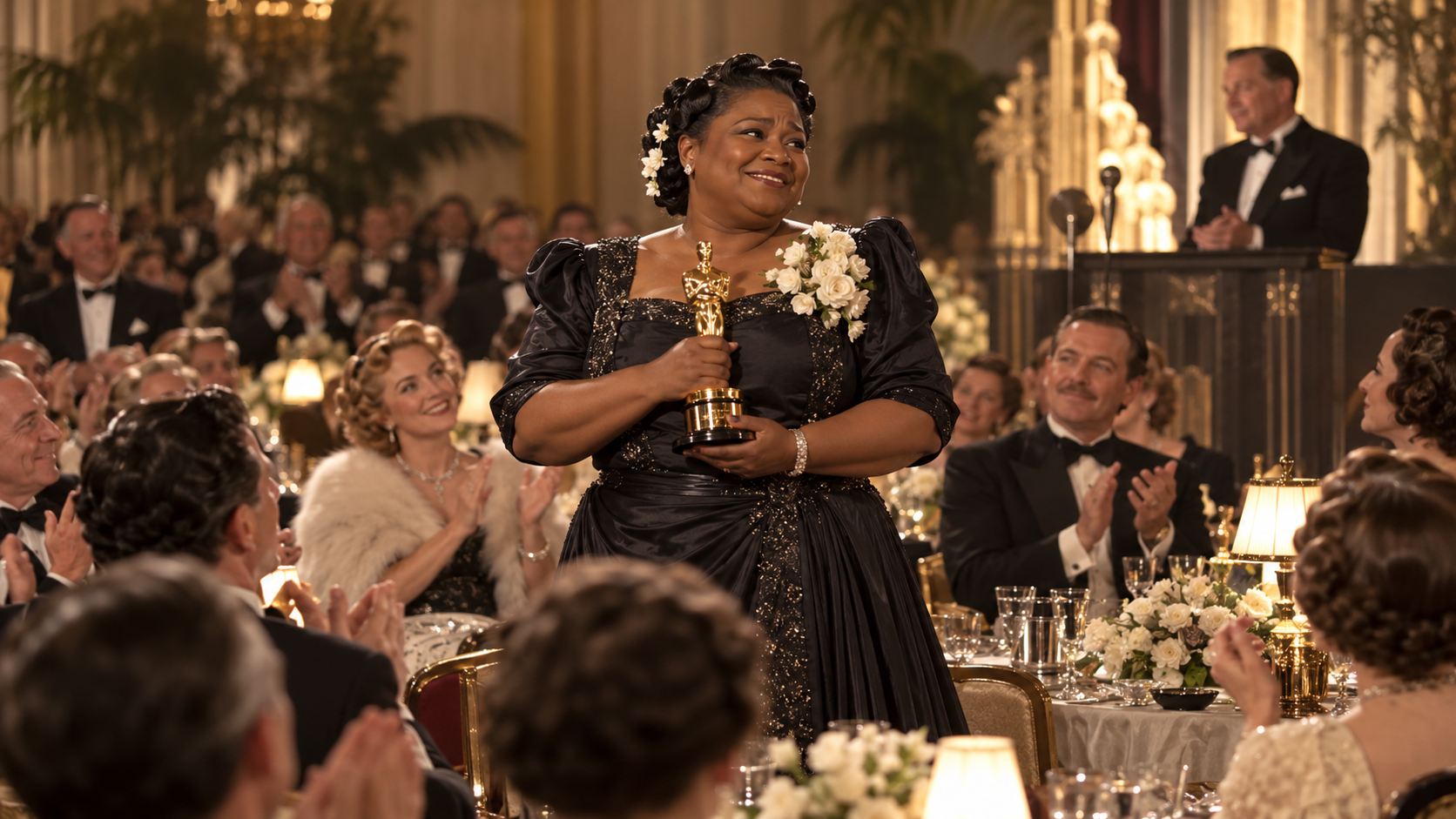
On February 29, 1940, Hattie McDaniel won the Academy Award for Actress in a Supporting Role for her performance in Gone with the Wind. She became the first Black person to receive an Oscar. Her achievement was celebrated as a breakthrough, yet the ceremony itself exposed the boundaries around it: segregation shaped where she could sit and how she could participate. What happened that day brought a long-developing idea into public view. The headline was important, but so was the experience around it: people could finally enter, read, watch, use, or discuss a change that previously belonged mostly to plans and specialists.
McDaniel had built a career in radio and film through talent, persistence, and roles available to Black performers in a discriminatory industry. Those roles were frequently domestic servants, and her work has long prompted debate about stereotype, agency, employment, and representation. She brought wit, timing, authority, and emotional intelligence to constrained parts, navigating choices that later audiences should examine without simplifying. The background reveals how social need, technology, commerce, and imagination had gradually converged. No milestone appears from nowhere; it depends on earlier experiments, patient labor, institutions willing to invest, and audiences prepared to make the new development meaningful.
At the Coconut Grove ceremony in Los Angeles’s Ambassador Hotel, McDaniel sat separately from the film’s white cast. She accepted the award with a brief, carefully framed speech expressing hope that she would be a credit to her race and the industry. The image holds pride and injustice together: unprecedented recognition occurred inside a space that still enforced racial separation. Contemporaries experienced both promise and friction. New systems rarely fit existing routines perfectly, so users and organizers learned through practice. Publicity amplified the breakthrough, but personal encounters—curiosity, inconvenience, pride, resistance, or delight—gave it emotional force.
McDaniel’s win opened a door, but progress for Black actors, writers, directors, and craftspeople remained slow and uneven. Her legacy includes the excellence of her performance, the limitations of Hollywood’s roles, and the dignity with which she pursued a career inside that system. Leap day preserves a rare anniversary that asks viewers to celebrate a first while measuring how much structural change did—or did not—follow. The anniversary endures because the underlying questions remain current. Who gets to participate, what values a system expresses, and how change reshapes relationships are not settled once. The historical moment offers a clear starting point for understanding choices still visible today. The anniversary also reminds us that everyday life is where large historical forces become personal, repeated, debated, and ultimately durable.
She received the supporting-actress Oscar for her performance in Gone with the Wind.
This detail helps place the anniversary in its original setting.
She made history while segregation separated her from white colleagues at the ceremony.
The wider context explains why the moment drew public attention.
Her talent and breakthrough are honored alongside debate about stereotyped roles and Hollywood’s limited opportunities for Black artists.
Its legacy remains visible in contemporary culture and everyday life.
Explore more of “This Day in Lifestyles”
Discover more moments in everyday life, design, education, travel, food, fashion, and culture. Each story connects a calendar date with an event that changed how people lived.