

On This Day in Lifestyles: March 6, 1899
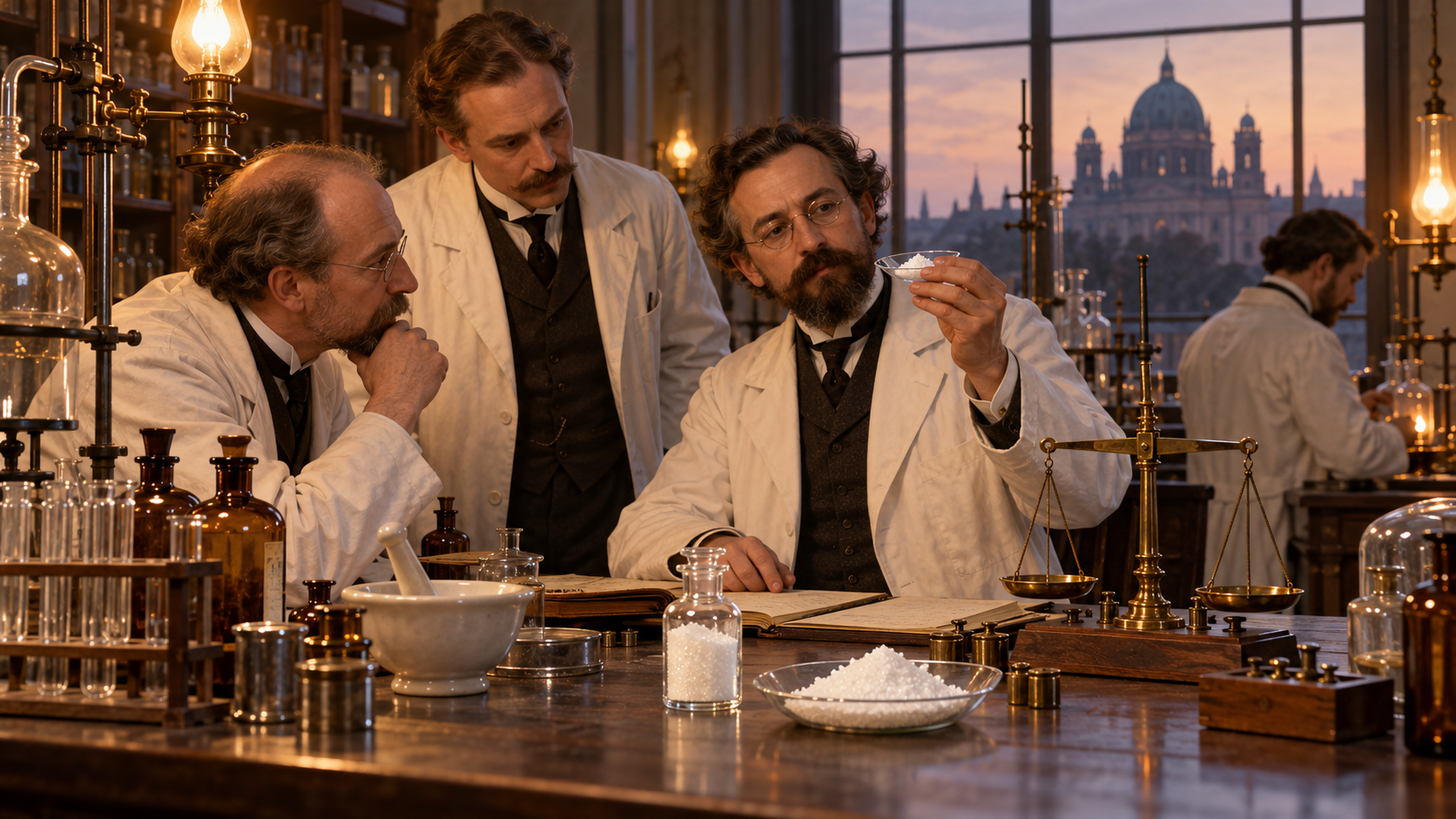
On March 6, 1899, The name Aspirin was entered in the trademark register of the Imperial Patent Office in Berlin for a preparation based on acetylsalicylic acid. The registration gave a concise commercial identity to a compound that chemists at Bayer had been developing and testing in the late 1890s. The date matters in lifestyle history because laboratory chemistry became a standardized object of everyday care. Rather than remaining an isolated announcement or demonstration, the moment gave people a new way to think about treating pain and fever through pharmacies, packaging, and professional advice. Its importance became visible through familiar places, objects, and routines, where a broad historical change could be felt at human scale.
Pain and fever remedies had long drawn on willow and related plants, but industrial chemistry offered more standardized production and dosing. Tablets, labeled packaging, physicians, pharmacies, and medical advertising helped move the product from laboratory work into professional and household use. The setting shaped how contemporaries understood the event. chemists, physicians, pharmacists, factory workers, patients, and families encountered it through medical journals, pharmacies, branded packages, physician recommendations, advertising, and international distribution. Those details show that social change usually travels through ordinary systems such as workplaces, schools, shops, homes, streets, or public institutions. What seems inevitable in hindsight depended on people testing, organizing, purchasing, teaching, maintaining, or protecting the idea in real time.
A recognizable medicine changed how people approached common pain, fever, and inflammation, making treatment easier to request and distribute. The story also illustrates how a scientific substance becomes part of daily life through names, manufacturing standards, clinical judgment, packaging, and trust. In daily life, people increasingly kept measured medicines at home and asked for a product by a recognizable name. The episode also exposed questions about commercial branding, medical evidence, safe dosing, access, and the danger of assuming familiar medicines are harmless. Access and influence were never perfectly even, and later generations adapted the original development to different communities, values, and technologies. Still, the event changed expectations by making more consistent relief that could be distributed at scale easier to imagine, recognize, or demand.
Aspirin became one of the world’s best-known medicines and later gained additional uses under medical guidance. Its history also invites caution: familiar over-the-counter products still have risks, interactions, age restrictions, and dosing rules. Today, echoes remain in medicine cabinets, clinical guidance, public-health warnings, pharmaceutical regulation, and continuing research. Looking back helps separate the documented milestone from the myths that often accumulate around famous anniversaries. It also reminds us that lifestyle history is built from choices about design, health, work, leisure, communication, memory, and public space. On this day, the trademark date shows that modern health habits depend on systems of identity and trust as well as chemistry.
The name Aspirin was entered in the trademark register of the Imperial Patent Office in Berlin for a preparation based on acetylsalicylic acid. The registration gave a concise commercial identity to a compound that chemists at Bayer had been developing and testing in the late 1890s.
Pain and fever remedies had long drawn on willow and related plants, but industrial chemistry offered more standardized production and dosing. Tablets, labeled packaging, physicians, pharmacies, and medical advertising helped move the product from laboratory work into professional and household use.
A recognizable medicine changed how people approached common pain, fever, and inflammation, making treatment easier to request and distribute. The story also illustrates how a scientific substance becomes part of daily life through names, manufacturing standards, clinical judgment, packaging, and trust.
The larger theme was that laboratory chemistry became a standardized object of everyday care.
Aspirin became one of the world’s best-known medicines and later gained additional uses under medical guidance. Its history also invites caution: familiar over-the-counter products still have risks, interactions, age restrictions, and dosing rules.
Today the story remains visible in medicine cabinets, clinical guidance, public-health warnings, pharmaceutical regulation, and continuing research.
Explore more of “This Day in Lifestyles”
Discover more moments in everyday life, design, education, travel, food, fashion, and culture. Each story connects a calendar date with an event that changed how people lived.