

On This Day in Lifestyles: March 21, 1965
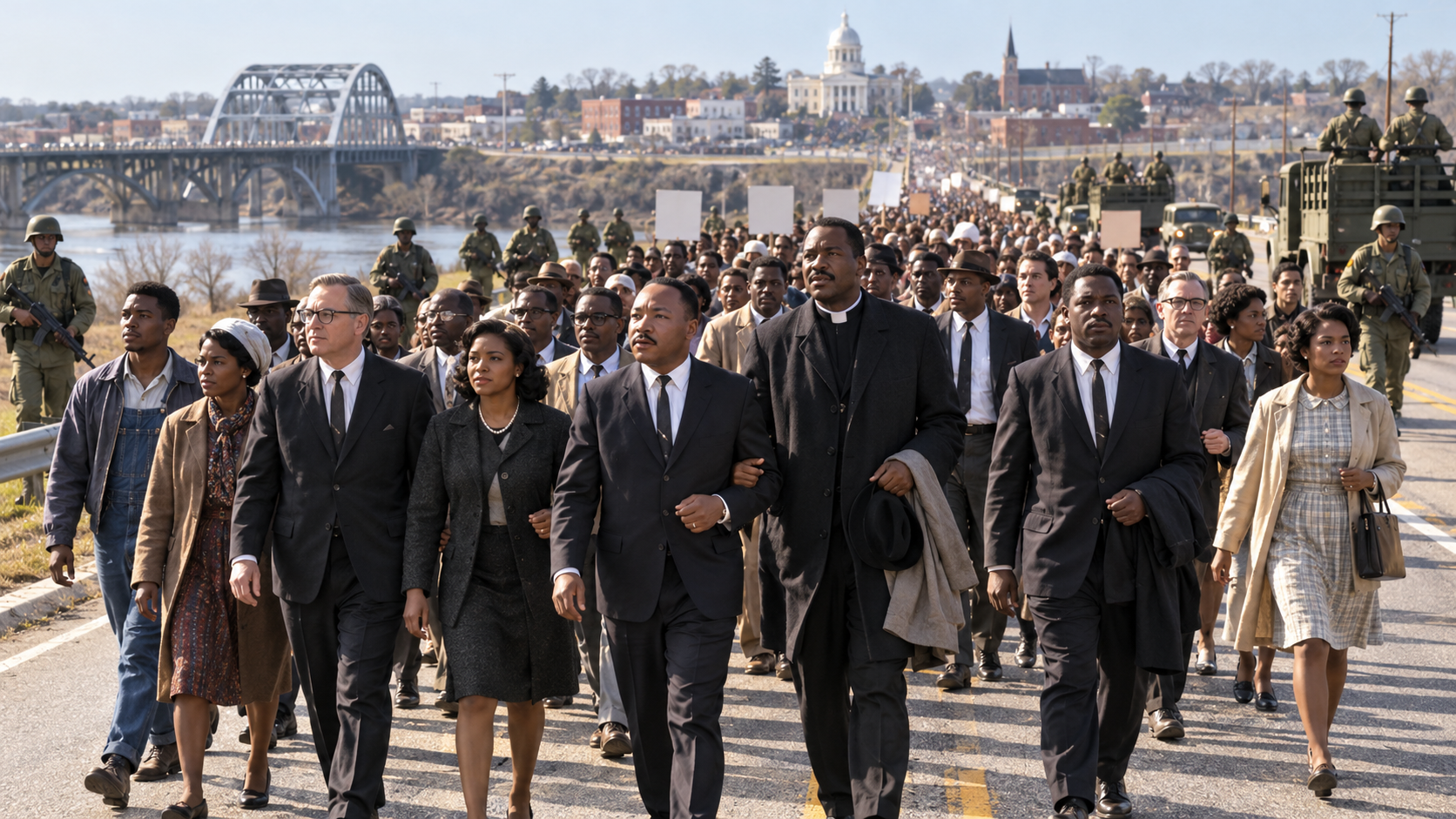
On March 21, 1965, Thousands of voting-rights marchers left Selma, Alabama, for Montgomery under federal protection. It was the third attempt to make the journey after state troopers attacked marchers on Bloody Sunday and a second procession turned back while courts considered the right to proceed. The date matters in lifestyle history because ordinary movement along a road became a disciplined national demand for citizenship. Rather than remaining an isolated announcement or demonstration, the moment gave people a new way to think about marching, organizing food and shelter, singing, witnessing, registering voters, and sustaining nonviolent protest. Its importance became visible through familiar places, objects, and routines, where a broad historical change could be felt at human scale.
Black residents and organizers had worked for years against discriminatory registration systems, intimidation, and violence. The route covered roughly fifty-four miles, and the number of participants was limited on narrow roads before swelling dramatically as the march reached the state capital. The setting shaped how contemporaries understood the event. Black residents, student organizers, clergy, national supporters, journalists, medical volunteers, federal protectors, and families encountered it through church meetings, local organizing, television news, newspapers, legal action, songs, speeches, and the physical highway. Those details show that social change usually travels through ordinary systems such as workplaces, schools, shops, homes, streets, or public institutions. What seems inevitable in hindsight depended on people testing, organizing, purchasing, teaching, maintaining, or protecting the idea in real time.
Walking became both physical hardship and public testimony. Camps, food, medical care, songs, sermons, press coverage, and cooperation sustained the journey, while televised images connected local demands with viewers across the country and increased pressure for federal voting-rights legislation. In daily life, participants turned daily acts of walking, eating, resting, and caring for one another into the infrastructure of protest. The episode also exposed questions about state violence, unequal voting access, federal authority, media attention, movement strategy, and the unfinished protection of rights. Access and influence were never perfectly even, and later generations adapted the original development to different communities, values, and technologies. Still, the event changed expectations by making greater democratic participation backed by enforceable law easier to imagine, recognize, or demand.
The march helped build momentum for the Voting Rights Act of 1965. Its commemoration remains connected to continuing disputes over registration, districting, access, election administration, protest, and the protection of civil rights. Today, echoes remain in voting-rights advocacy, commemorative walks, civic education, public-history sites, and debates over access to the ballot. Looking back helps separate the documented milestone from the myths that often accumulate around famous anniversaries. It also reminds us that lifestyle history is built from choices about design, health, work, leisure, communication, memory, and public space. On this day, the March 21 departure made endurance on the road part of the nation’s democratic vocabulary.
Thousands of voting-rights marchers left Selma, Alabama, for Montgomery under federal protection. It was the third attempt to make the journey after state troopers attacked marchers on Bloody Sunday and a second procession turned back while courts considered the right to proceed.
Black residents and organizers had worked for years against discriminatory registration systems, intimidation, and violence. The route covered roughly fifty-four miles, and the number of participants was limited on narrow roads before swelling dramatically as the march reached the state capital.
Walking became both physical hardship and public testimony. Camps, food, medical care, songs, sermons, press coverage, and cooperation sustained the journey, while televised images connected local demands with viewers across the country and increased pressure for federal voting-rights legislation.
The larger theme was that ordinary movement along a road became a disciplined national demand for citizenship.
The march helped build momentum for the Voting Rights Act of 1965. Its commemoration remains connected to continuing disputes over registration, districting, access, election administration, protest, and the protection of civil rights.
Today the story remains visible in voting-rights advocacy, commemorative walks, civic education, public-history sites, and debates over access to the ballot.
Explore more of “This Day in Lifestyles”
Discover more moments in everyday life, design, education, travel, food, fashion, and culture. Each story connects a calendar date with an event that changed how people lived.