

On This Day in News: January 8, 2011
On January 8, 2011, a routine “Congress on Your Corner” event outside a Safeway supermarket near Tucson, Arizona, turned into a national tragedy. U.S. Representative Gabrielle “Gabby” Giffords was meeting constituents in the parking lot when a 22-year-old man, Jared Lee Loughner, approached and opened fire at close range. Giffords was shot in the head, six people were killed, and 13 others were wounded. Among the dead were federal Judge John Roll, Giffords’ staffer Gabe Zimmerman, and nine-year-old Christina-Taylor Green, who had come to see how government worked. The shootings shocked a country already uneasy about rising political anger and the vulnerability of public officials in open, everyday settings.
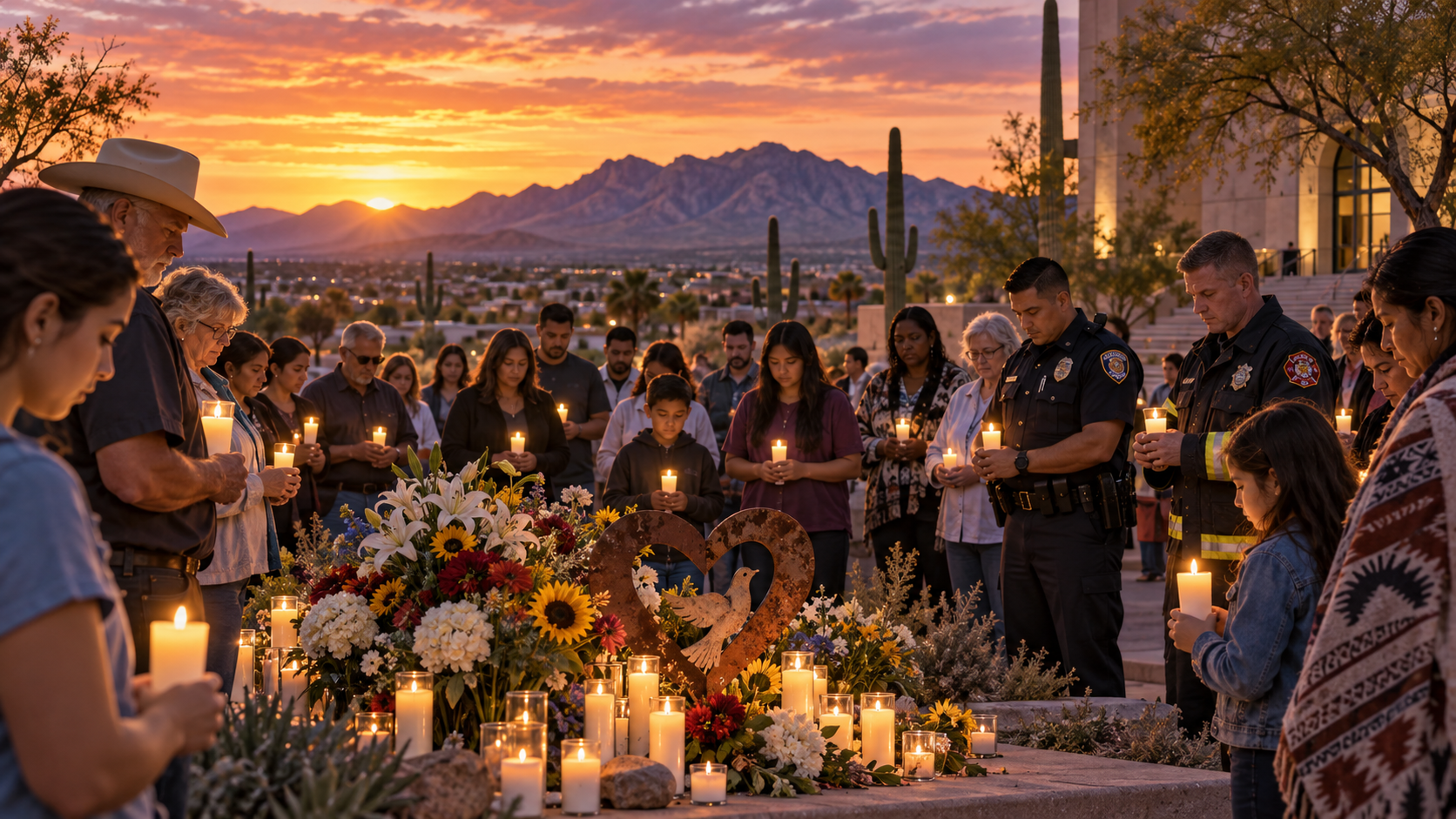
In the chaotic seconds that followed, bystanders stepped in to stop the attack. As the gunman tried to reload, people in the crowd tackled and disarmed him, preventing further loss of life. First responders and medical personnel quickly converged on the scene, and helicopters ferried the most gravely injured to hospitals in Tucson. Giffords underwent emergency surgery and was initially listed in critical condition, with doctors unsure whether she would survive or what her long-term recovery might look like. The scene in Tucson became a focus of national attention, with images of candlelight vigils and makeshift memorials echoing across television and online coverage.
The legal and political fallout unfolded over the following months and years. Loughner was taken into federal custody, charged under multiple statutes for murder, attempted murder, and the attempted assassination of a member of Congress. Evaluations later found he was living with paranoid schizophrenia. After a lengthy legal process, he ultimately pleaded guilty in federal court and was sentenced to life in prison with no possibility of parole. The attack fueled renewed debate about gun laws, mental health systems, and the tone of American political discourse. Leaders from both major parties called for lowering the temperature of public rhetoric, while President Barack Obama addressed the nation from Tucson, honoring the victims and urging a more civil public life.
The events of January 8 left an enduring mark on Tucson and on Giffords herself. She resigned from Congress in 2012 to focus on her recovery, later reemerging as a prominent advocate for preventing gun violence. In downtown Tucson, a January 8 memorial now commemorates the victims, survivors, and responders, symbolizing the community’s resilience and commitment to civic life. Each year, remembrances recall not only the horror of the attack but also the courage displayed by bystanders, medical teams, and a community determined to come together in the aftermath. The shooting in Tucson remains a reminder of both the fragility and the importance of open, accessible democracy.
On the morning of January 8, 2011, U.S. Representative Gabrielle “Gabby” Giffords was hosting a “Congress on Your Corner” event outside a Safeway supermarket near Tucson, Arizona. The event was designed as an open, informal opportunity for constituents to speak directly with their representative, typical of Giffords’s style of retail politics and accessibility.
As the event began, a 22-year-old gunman, Jared Lee Loughner, approached the line of people waiting to meet Giffords and opened fire at close range. Giffords was shot in the head, six people were killed, and 13 others were wounded. Among the dead were federal Judge John Roll, Giffords’s aide Gabe Zimmerman, and nine-year-old Christina-Taylor Green, who had come to learn more about how government worked.
In the chaotic moments after the shooting, bystanders tackled and disarmed the gunman as he tried to reload, preventing even greater loss of life. First responders rushed to the scene, and helicopters transported the most critically injured to hospitals in Tucson. Giffords underwent emergency brain surgery and was placed in critical condition, with doctors initially uncertain about her chances for survival or long-term recovery.
News of the attack quickly spread nationwide, prompting reactions from leaders of both major political parties and a wave of public vigils and memorials in Tucson. The shooting raised immediate questions about security for public officials at open events, the availability of high-capacity firearms, and the intersection of mental health, public safety, and political violence in the United States.
In the months that followed, Loughner was charged in federal court with multiple counts of murder and attempted murder, including the attempted assassination of a member of Congress. After evaluations found he was living with paranoid schizophrenia and he received treatment, he ultimately pleaded guilty and was sentenced to life in prison without the possibility of parole, avoiding a death penalty trial.
The attack became a reference point in ongoing national debates over gun laws and political rhetoric. Giffords resigned from Congress in 2012 to focus on her recovery and later became a high-profile advocate for gun violence prevention. Annual commemorations in Tucson and the creation of a dedicated January 8 memorial highlight themes of resilience, civic engagement, and the continuing search for ways to keep public life both open and safe.
Explore more of "On This Day ..."
Discover more events from the same date across news, politics, technology, sports, and other fields. Each link highlights significant moments that shaped history on different fronts.