

On This Day in Politics: January 4, 2007
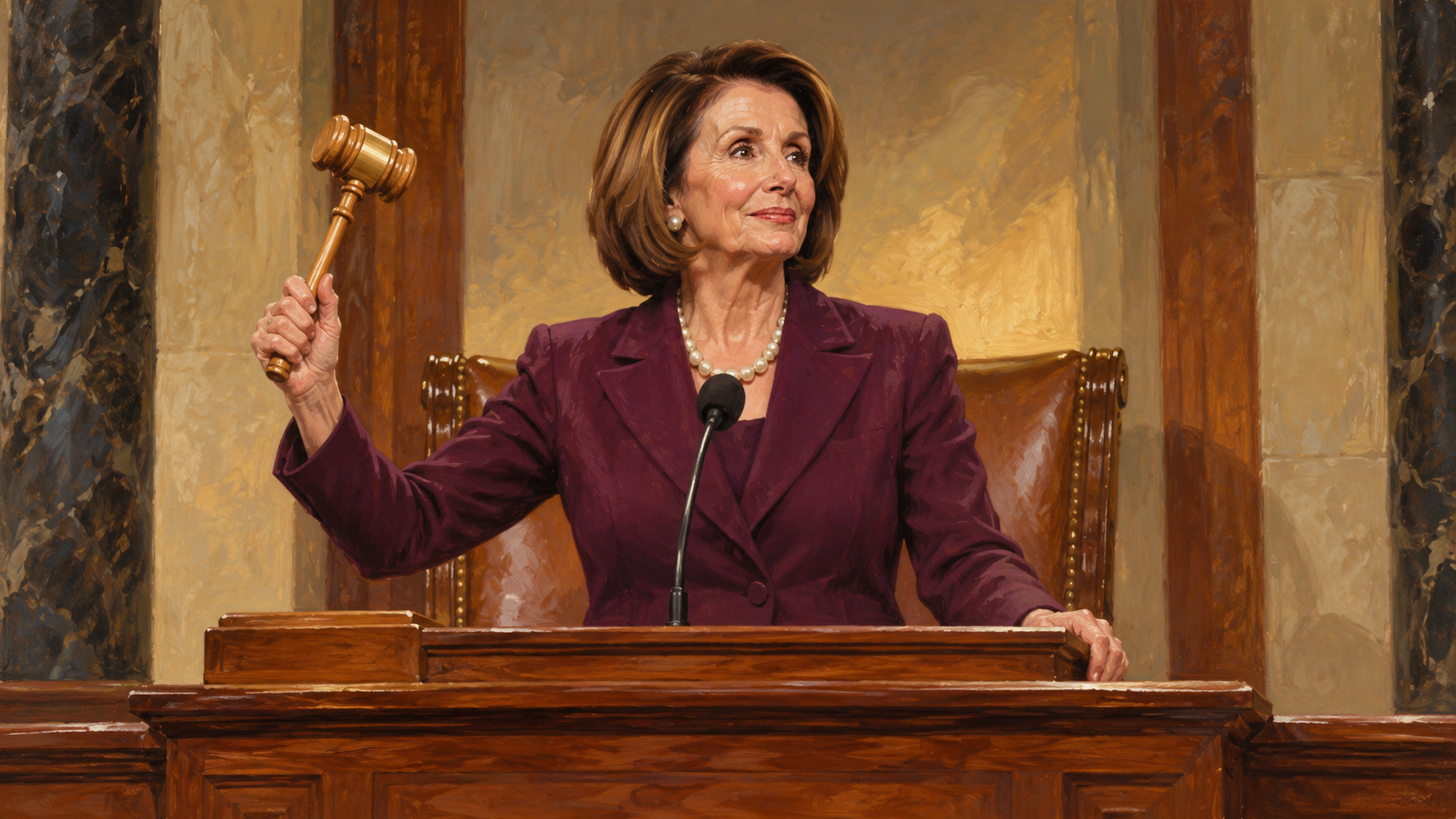
When the 110th Congress convened on January 4, 2007, the House of Representatives elected Democratic leader Nancy Pelosi of California as Speaker, making her the first woman in U.S. history to hold the post. She defeated Republican leader John Boehner in the Speaker’s election, assuming a role that placed her second in the presidential line of succession, behind the vice president. The vote capped a wave of change after the 2006 midterm elections, in which Democrats gained control of both the House and the Senate following public dissatisfaction with the Iraq War, ethics scandals, and broader concerns about the direction of national policy.
Pelosi’s rise reflected both her personal trajectory and longer-term shifts in American politics. A long-serving representative from San Francisco and the daughter of a Baltimore mayor and congressman, she had already broken barriers as the first woman to lead a major party in either chamber of Congress, serving as House minority leader before the Democratic victory. Her election as Speaker also marked the first time a Californian and the first time an Italian American had held the role, underscoring how regional and demographic representation in congressional leadership had broadened since the House was first organized in 1789.
The day itself was rich with symbolism. Pelosi invited her children and grandchildren to join her at the Speaker’s rostrum, underscoring her message that the milestone belonged not only to her but to future generations. In her remarks, she called the moment “historic” for Congress and for the women of the country and spoke of “breaking the marble ceiling,” a phrase meant to capture how women had long been excluded from the House’s top leadership position. She coupled those symbolic themes with a policy-focused agenda, emphasizing ethics reform, fiscal responsibility, and a change of course in Iraq as central priorities for the new majority.
Pelosi’s election did not resolve the nation’s political divides, but it did signal a turning point in expectations about who could wield institutional power in Washington. Her speakership helped normalize women in top leadership roles and encouraged more women to seek office at every level. In the years that followed, debates over the Iraq War, economic crises, and major domestic legislation would all pass through a House shaped in part by the coalition and strategies she assembled. The events of January 4, 2007, thus stand not only as a milestone for representation, but also as the opening chapter of a new era in congressional politics that continues to influence how parties organize, govern, and contest power.
By January 4, 2007, voters in the United States had just reshaped the political landscape in the 2006 midterm elections. Public frustration over the Iraq War, concerns about government ethics, and anxiety about economic direction helped Democrats win control of both the House of Representatives and the Senate for the first time in more than a decade.
As the new 110th Congress convened, House Democrats selected Nancy Pelosi, a longtime representative from California and party leader, as their candidate for Speaker. When the House formally elected her on this day, she became the first woman in American history to hold the Speakership, placing her second in the line of presidential succession and symbolizing a major milestone for representation in national leadership.
Pelosi’s election immediately shifted the balance of power in the House. As Speaker, she controlled the legislative agenda, committee assignments, and the flow of major bills. Democratic leaders moved quickly to promote an early package of ethics reforms, minimum wage legislation, and changes related to the Iraq War, reflecting promises made during the campaign.
At the same time, the new majority faced clear limits. President George W. Bush still held veto power, Republicans retained enough strength in Congress to block or reshape some proposals, and the country remained deeply divided over foreign policy and domestic priorities. Pelosi’s groundbreaking role did not dissolve partisan conflict; it unfolded within a highly polarized environment where negotiations, compromises, and political stalemates remained common.
In the longer term, Pelosi’s speakership marked a turning point in expectations about who could lead Congress. Her rise followed decades of growing participation by women in local, state, and federal politics and helped normalize the idea of women holding the highest leadership posts in Washington. Future candidates for office frequently pointed to her election as evidence that the political ladder, while still challenging, was more open than in previous generations.
The precedent also influenced how parties organized power in the House. Pelosi became a central figure in major legislative battles over the next decade, from economic recovery measures to health care debates, illustrating how the Speaker can shape both policy and party strategy. The events of January 4, 2007, therefore connect to broader themes of representation, institutional power, and the evolving role of Congress in addressing contentious national issues.
Explore more of "On This Day ..."
Discover more events from the same date across news, politics, technology, sports, and other fields. Each link highlights significant moments that shaped history on different fronts.