

On This Day in Politics: January 13, 1893
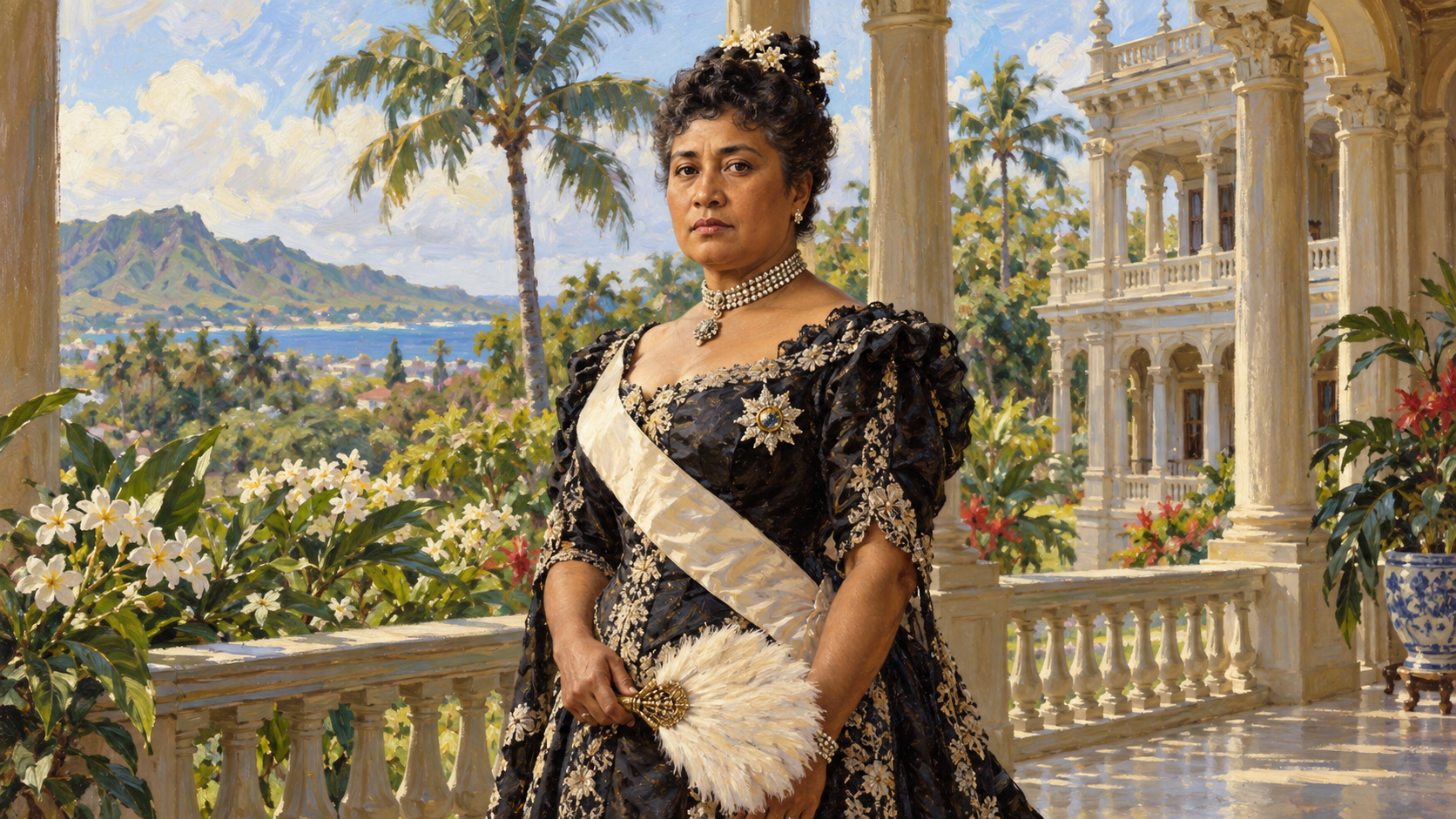
On January 13, 1893, the British minister to Hawaii informed Queen Liliʻuokalani that Great Britain would not interfere in the growing political confrontation between the Hawaiian monarchy and a group of American and European businessmen seeking to overthrow it. Though the coup itself would unfold over the following days, Britain’s position—delivered at a moment of escalating tension—marked a turning point in the crisis. With one of the world’s major powers signaling it would not support the Hawaiian crown, the queen found herself increasingly isolated diplomatically. This stance contributed to the collapse of the Hawaiian Kingdom and the installation of a provisional government backed by influential foreign residents.
At the time, Hawaii was an independent nation but also a strategic crossroads in the Pacific. American economic interests dominated sugar production, and U.S. political influence had grown steadily through treaties, trade agreements, and a naval base at Pearl Harbor. Queen Liliʻuokalani, who had ascended to the throne in 1891, sought to restore political authority to the monarchy and Native Hawaiian subjects, challenging the power of foreign business elites. Her attempt to introduce a new constitution limiting their influence triggered opposition from the so-called “Committee of Safety,” a group determined to establish a government more favorable to U.S. annexation. Britain’s refusal to intervene, combined with uncertainty about U.S. policy during the final days of the Harrison administration, left the monarchy with few international allies as tensions intensified.
Within days of Britain’s announcement, the Committee of Safety organized a coup that removed Queen Liliʻuokalani from power with the support of U.S. Minister John L. Stevens and a detachment of U.S. Marines. Although the queen peacefully yielded authority to avoid bloodshed and appealed to Washington for restoration, the provisional government solidified control. The episode triggered a political debate in the United States about imperialism, constitutional authority, and the legitimacy of the overthrow. President Grover Cleveland, who took office weeks later, condemned the coup as unjust and called for the queen’s reinstatement, but Congress ultimately refused to support that course. The provisional government transitioned into the Republic of Hawaii, paving the way for U.S. annexation in 1898.
For “This Day in Politics,” January 13 represents a key precursor to the overthrow of the Hawaiian monarchy, illustrating how foreign policy, economic interests, and colonial ambitions converged in the late 19th century. Britain’s decision not to oppose the coup highlighted the shifting balance of power in the Pacific and signaled to other nations that the Hawaiian Kingdom was vulnerable to external influence. The consequences of the events that followed continue to shape political discussions about sovereignty, historical justice, and the recognition of Indigenous governance. The day stands as a reminder that international decisions—sometimes expressed through silence—can profoundly alter the course of a nation’s history.
By January 13, 1893, tensions in the Hawaiian Kingdom had been building for years between Queen Liliʻuokalani’s government and a group of foreign businessmen and political figures, many of them American and European. These elites opposed the queen’s efforts to restore greater authority to the monarchy and Native Hawaiian subjects, fearing that new constitutional reforms would weaken their influence and economic power.
On this day, the British minister in Honolulu signaled that Great Britain would not intervene on behalf of the Hawaiian monarchy as the political crisis deepened. That stance, combined with uncertainty about U.S. policy, left the queen increasingly isolated diplomatically just as a small but powerful group of residents was preparing to move against her government.
Britain’s decision not to oppose the anti-monarchy faction weakened any hope that outside powers would help preserve Hawaii’s existing political order. Within days, members of the so-called Committee of Safety organized a coup, with support from the U.S. minister and American troops landed from a nearby warship, effectively removing Queen Liliʻuokalani from power and establishing a provisional government.
At the same time, British non-intervention highlighted the limits of international protection for small independent kingdoms in an era of imperial competition. While diplomats expressed concern, neither Britain nor other powers were willing to challenge the actions of local elites backed by American influence. The queen’s appeals for restoration underscored how narrow her options had become once major foreign governments declined to act.
In the longer term, the events surrounding January 13, 1893 helped set the stage for the end of the Hawaiian Kingdom and the islands’ eventual annexation by the United States. The provisional government created after the coup evolved into the Republic of Hawaii, which, despite contested legitimacy, gained de facto recognition and remained in place until annexation in 1898.
The episode remains central to ongoing debates about sovereignty, colonialism, and historical justice. It illustrates how decisions by outside powers—sometimes expressed through inaction—can decisively alter the fate of smaller nations. For many Hawaiians, the diplomatic choices made in this period mark the beginning of a long struggle over land, governance, and the political status of the islands that continues to resonate today.
Explore more of "On This Day ..."
Discover more events from the same date across news, politics, technology, sports, and other fields. Each link highlights significant moments that shaped history on different fronts.