

On This Day in Politics: January 15, 1967
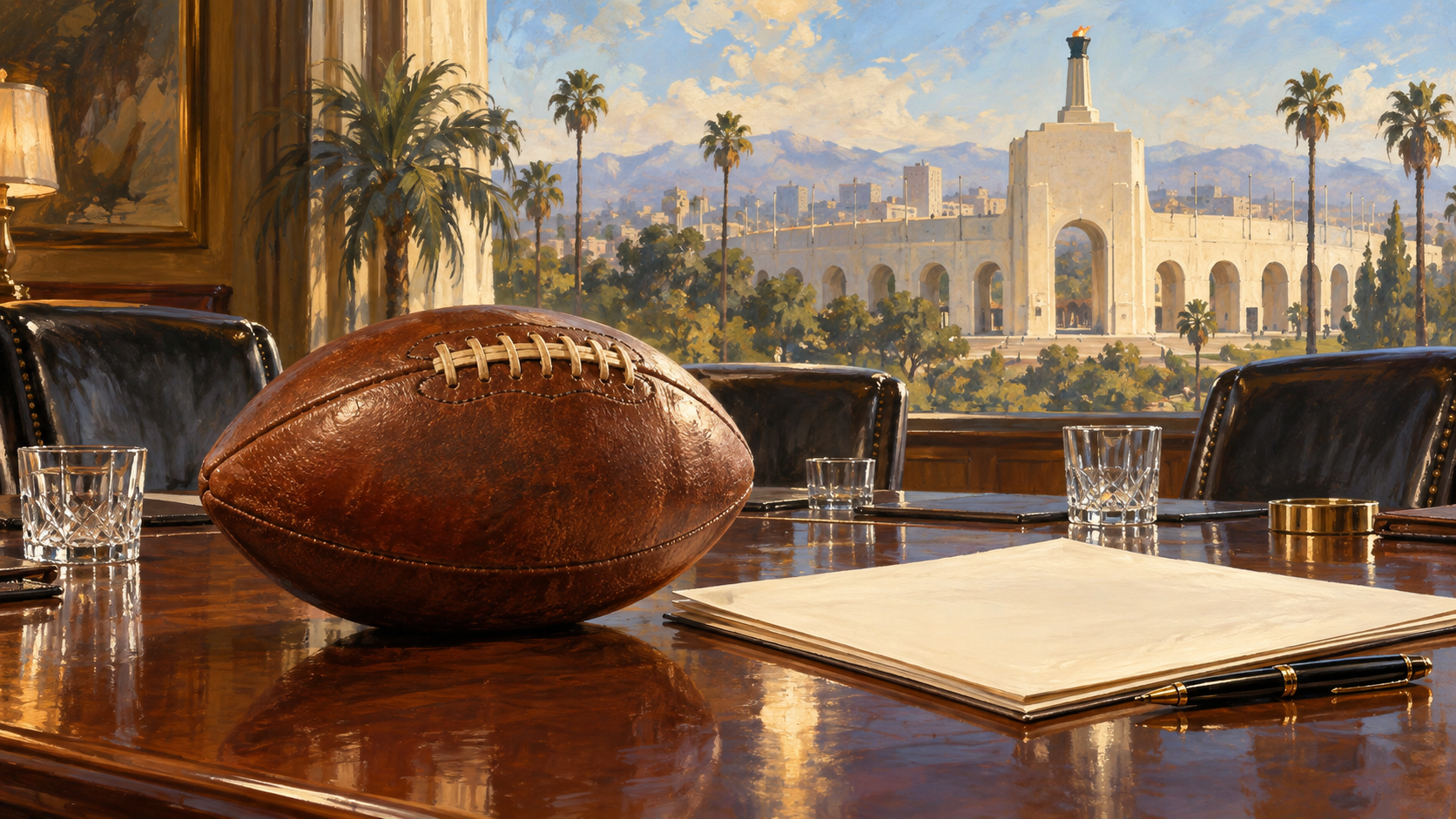
On January 15, 1967, the American Football League and the National Football League played their first joint championship game—later known as Super Bowl I—marking a turning point not only in sports history but in the politics of American entertainment and business. The game, played between the Kansas City Chiefs and the Green Bay Packers, was the most public demonstration to date of the merger agreement reached in 1966, which sought to end years of rivalry, bidding wars, and escalating conflict between the two leagues. By taking the field together under a single championship banner, both organizations signaled to fans, advertisers, and Congress that professional football was entering a unified and highly commercialized new phase.
The political dimensions of the merger were significant. For years, the two leagues had competed fiercely for players, broadcast contracts, and market share, creating instability and inflating salaries. The merger required federal approval under antitrust law, prompting congressional hearings and intense scrutiny of whether the agreement would restrict competition. Ultimately, Congress passed an amendment to the Sports Broadcasting Act that allowed the merger to move forward, explicitly exempting the restructured league from certain antitrust challenges. This decision reflected a broader shift toward viewing professional sports leagues as public institutions of cultural value—even as private businesses—whose stability was considered beneficial to the national interest. The game on January 15 became a visual affirmation of that political and legal endorsement.
Super Bowl I also reshaped the economics and cultural power of professional sports. The shared broadcast between CBS and NBC represented a rare moment of cooperation among competing networks and demonstrated how lucrative televised sports had become. The event drew millions of viewers, setting a foundation for the Super Bowl to grow into the most watched annual broadcast in the United States. The successful staging of the joint championship reinforced the merger’s logic and encouraged deeper integration of the leagues, including standardized drafts, shared rules, and a common schedule. The political compromise that had enabled the merger thus translated into one of the most successful entertainment models in American history.
For “This Day in Politics,” January 15 highlights the intersection of sports, business, and federal policymaking. The first Super Bowl was more than a game—it was the culmination of negotiations, legislative action, and economic planning that reshaped the structure of professional football. It reflected the broader political environment of the 1960s, when federal authority, corporate consolidation, and mass media were rapidly transforming American institutions. The legacy of that day endures not just in the annual spectacle of the Super Bowl, but in the long-term relationship between government oversight and the business of sports.
By January 15, 1967, the National Football League (NFL) and the newer American Football League (AFL) had spent years locked in competition over players, markets, and television contracts. Their rivalry drove up salaries and created uncertainty about the long-term stability of professional football in the United States.
In 1966, the two leagues reached a merger agreement, contingent on federal antitrust approval. On this day, that pact was symbolically put to the test when the AFL and NFL champions met in the first joint championship game—later known as Super Bowl I—between the Kansas City Chiefs and the Green Bay Packers, showcasing a new era of cooperation to fans, advertisers, and policymakers.
The game on January 15 immediately demonstrated that a unified championship could attract national attention. Broadcast jointly by CBS and NBC, it drew a large television audience and confirmed that a combined league could offer a more compelling product than two rival organizations competing separately for viewers and sponsors.
At the same time, the merger that made the game possible raised concerns about reduced competition in the sports marketplace. Congress had already passed legislation adjusting antitrust rules for professional football, and some critics worried that increased league power could limit player bargaining leverage and concentrate economic control in the hands of team owners and network partners.
Over the long term, the championship played on January 15, 1967 helped turn the Super Bowl into the most watched annual event in American television, reshaping the economics of sports, advertising, and broadcasting. The success of the unified game strengthened support for full league integration, leading to a restructured NFL with standardized drafts, schedules, and conference alignments.
The political and legal groundwork that allowed the AFL–NFL merger also influenced how later sports mergers and media deals were evaluated. The first Super Bowl became a case study in how government policy, corporate strategy, and popular culture can intersect, illustrating that decisions about antitrust exemptions and league structures have broad consequences for fans, players, and the business of sports.
Explore more of "On This Day ..."
Discover more events from the same date across news, politics, technology, sports, and other fields. Each link highlights significant moments that shaped history on different fronts.