

On This Day in Politics: January 21, 2010
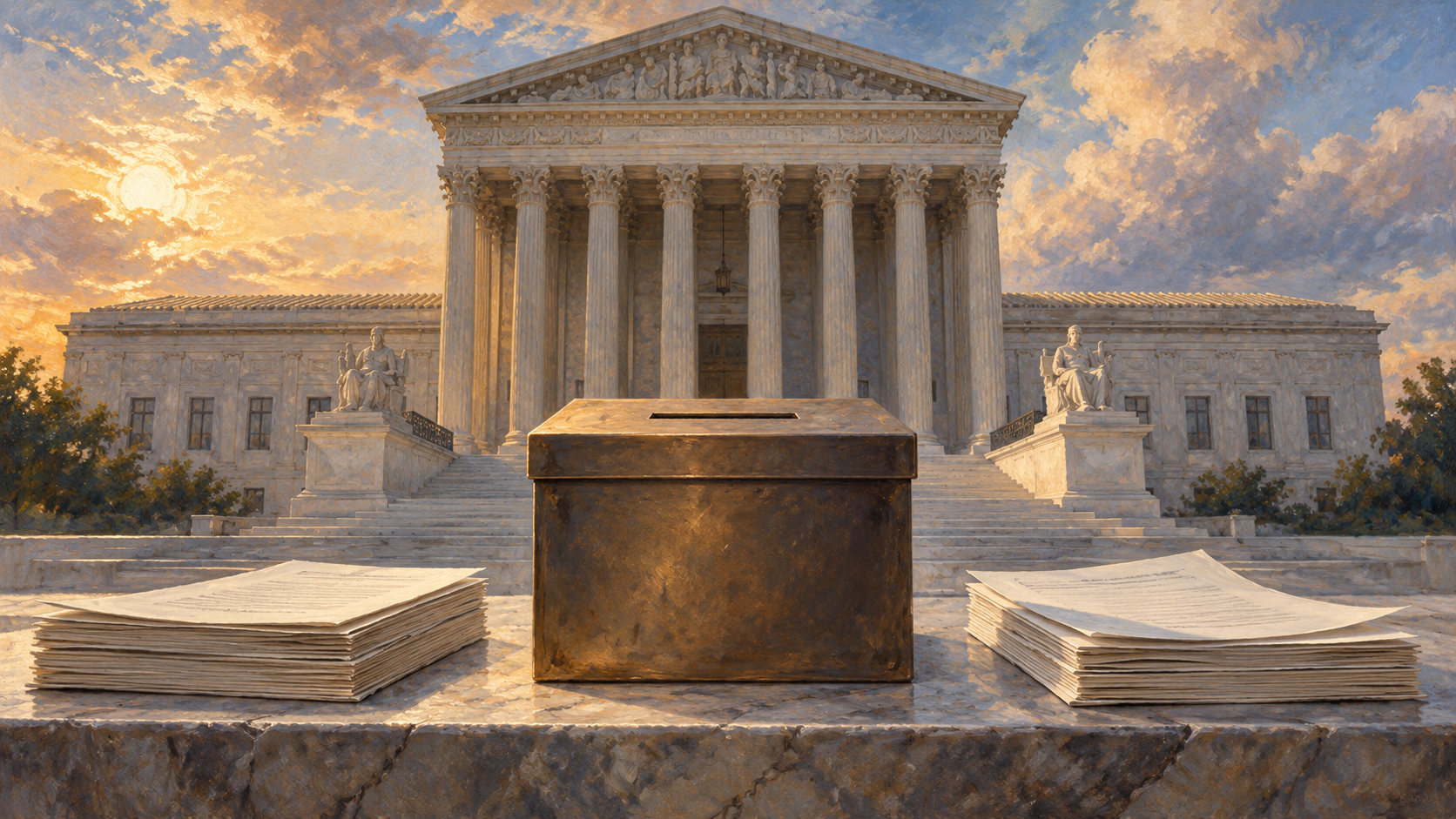
On January 21, 2010, the U.S. Supreme Court issued one of the most consequential campaign finance rulings in modern American politics: Citizens United v. Federal Election Commission. The 5–4 decision held that the government could not restrict independent political spending by corporations and unions, arguing that such limits violated First Amendment protections of free speech. The case began when Citizens United, a conservative nonprofit organization, sought to distribute and advertise a film critical of then–Senator Hillary Clinton during the 2008 Democratic primary season. Federal law treated the film as “electioneering communication,” subject to spending and disclosure limits. Citizens United challenged those restrictions, ultimately leading to a broad examination of corporate political speech.
The ruling effectively struck down key parts of the Bipartisan Campaign Reform Act of 2002, popularly known as McCain–Feingold. In doing so, the Court held that corporations and labor unions have the same rights as individuals to spend unlimited funds on independent political communications, as long as those expenditures are not directly coordinated with candidates or campaigns. Supporters argued that the decision restored essential free speech protections and prevented the government from suppressing voices based on corporate identity. They maintained that more political speech—even from powerful organizations—strengthens democratic debate. Critics, however, warned that the ruling gave disproportionate influence to wealthy interests and eroded the ability of average voters to compete with large-scale political spending.
The immediate political effects were significant. Within months, new types of political organizations—most notably Super PACs—emerged to raise and spend unlimited funds on elections. While these groups were legally required to operate independently of campaigns, they quickly became major forces in federal and state races. The decision also accelerated the rise of “dark money” groups, which could spend heavily on political messaging while shielding their donors from public disclosure. As a result, campaign finance landscapes in both major parties shifted, with outside groups playing a larger role in shaping narratives, funding advertising, and influencing election outcomes.
In the years following the decision, Citizens United became one of the most debated rulings in U.S. political history. Supporters continued to defend it as a necessary safeguard of free expression, while opponents called for constitutional amendments or new regulations to limit its implications. Regardless of viewpoint, the ruling fundamentally altered how campaigns operate, how money flows into elections, and how political influence is measured. The decision remains a defining moment in discussions about democratic accountability, transparency, and the structure of political power. January 21, 2010, stands as a turning point that reshaped the relationship between money and American politics for decades to come.
On January 21, 2010, the U.S. Supreme Court issued its decision in Citizens United v. Federal Election Commission, a closely watched case about the limits of political spending. The dispute began when a conservative nonprofit, Citizens United, challenged federal rules that restricted the distribution and promotion of a film critical of then–Senator Hillary Clinton during the 2008 primary season.
The Court used the case to revisit broader questions about campaign finance and the First Amendment. In a 5–4 ruling, the justices held that the government could not bar corporations and unions from spending their own funds on independent political communications, reasoning that such restrictions amounted to unconstitutional limits on political speech.
The decision immediately reshaped the landscape of American elections. By striking down key limits on independent expenditures, the Court opened the door for corporations, unions, and later Super PACs to spend unlimited sums on political advertising, as long as that spending was not formally coordinated with candidates or their campaigns.
Supporters of the ruling argued that it strengthened free expression by treating corporate and union speech like that of individuals and removing what they saw as burdensome government controls. Critics countered that it gave disproportionate influence to wealthy interests and intensified concerns about money drowning out the voices of ordinary voters, fueling a sharp and ongoing public debate about democratic fairness and transparency.
Over time, the Citizens United ruling became a reference point in nearly every major discussion about campaign finance and political influence in the United States. It contributed to the rise of Super PACs and “dark money” organizations, which could raise and spend vast sums while sometimes revealing little about their donors, prompting calls for new disclosure rules and, in some quarters, constitutional amendments to reverse the decision.
The ruling also influenced how candidates and parties plan campaigns, often relying more heavily on outside groups to shape messaging and strategy. Whether viewed as a vital protection of free speech or a turning point that amplified the role of money in politics, the decision handed down on January 21, 2010, remains one of the most consequential and contested moments in the Court’s modern political jurisprudence.
Explore more of "On This Day ..."
Discover more events from the same date across news, politics, technology, sports, and other fields. Each link highlights significant moments that shaped history on different fronts.