

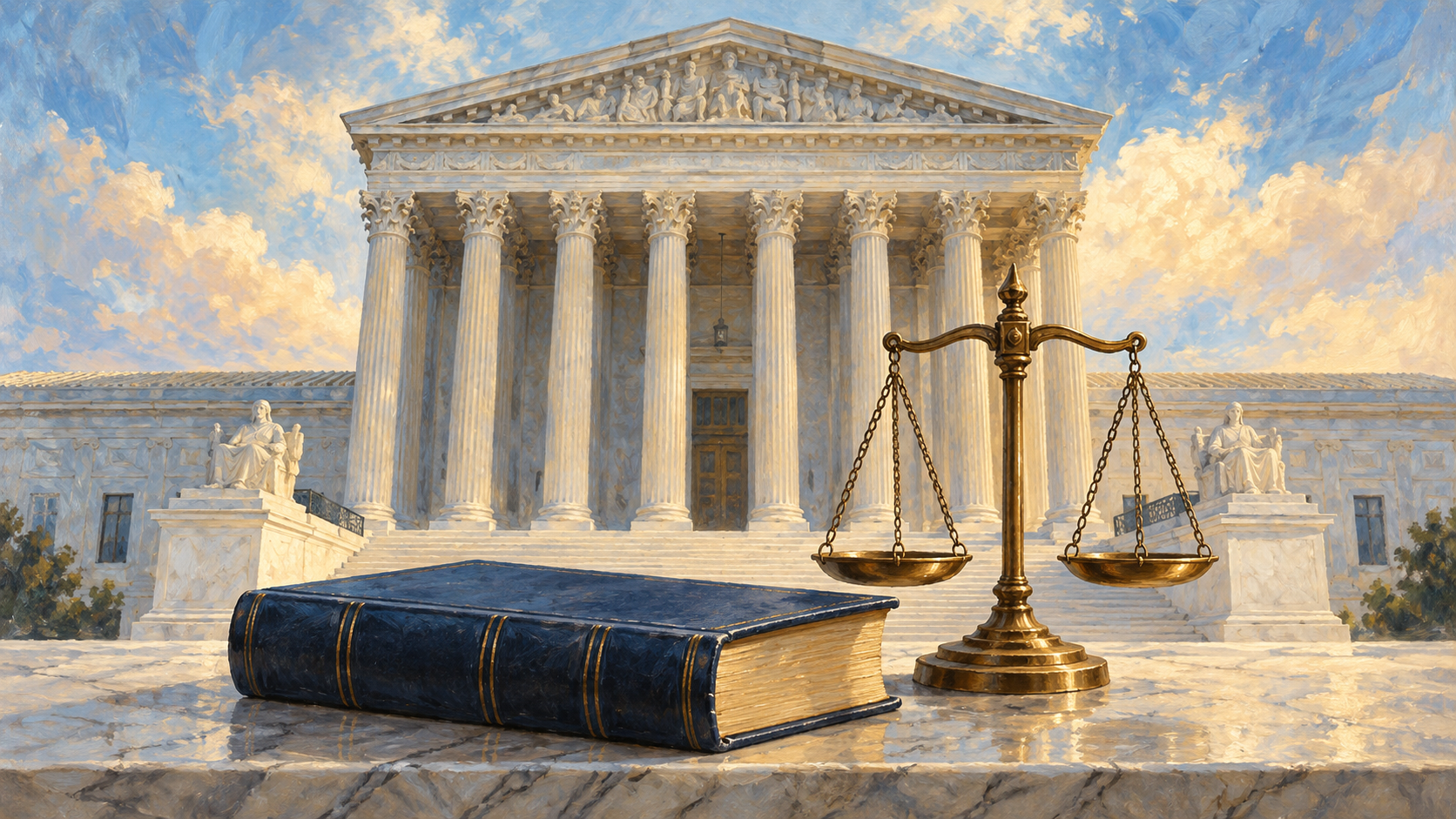
On This Day in Politics: January 22, 1973
On January 22, 1973, the United States Supreme Court issued one of the most influential—and contentious—decisions in modern constitutional history: Roe v. Wade. In a 7–2 ruling, the Court held that the Constitution protects a woman’s right to choose an abortion before fetal viability, grounding the decision in the right to privacy under the Fourteenth Amendment’s Due Process Clause. The case originated in Texas, where state law prohibited almost all abortions. “Jane Roe,” the pseudonym for Norma McCorvey, challenged the law, arguing that the state’s restrictions violated her constitutional rights. The Court ultimately agreed, striking down broad state bans and setting a national framework for abortion access based on the stages of pregnancy.
The decision immediately transformed the landscape of reproductive rights in the United States. Many states were required to revise or repeal longstanding restrictions, while others moved to define the limits of permissible regulation under the new federal standard. Supporters viewed the ruling as a critical affirmation of personal autonomy and medical privacy. They argued that by recognizing abortion as a protected liberty interest, the Court strengthened individual rights and safeguarded women’s health, especially in cases where unsafe procedures had historically posed serious risks. Critics, however, charged that the Court had overstepped its judicial role by creating rights not explicitly outlined in the Constitution. They contended that the ruling removed the issue from democratic debate and intensified moral and political divisions across the country.
In the years following the ruling, Roe v. Wade became a central issue in American politics, shaping party platforms, driving voter mobilization, and influencing judicial nominations. Legislatures at the state and federal levels repeatedly tested the boundaries of the decision, passing measures intended either to expand access or impose new restrictions. Court challenges ensued, resulting in additional rulings—most notably Planned Parenthood v. Casey in 1992—that reaffirmed the core protections of Roe while allowing greater state regulation. The political salience of the issue ensured that abortion rights remained a defining topic in national elections, advocacy campaigns, and public discourse for decades.
Looking back, January 22, 1973, stands as a turning point that redefined both constitutional law and the structure of political conflict in the United States. The ruling set the stage for a national conversation about bodily autonomy, moral values, and the role of the judiciary that continued for generations. Although the legal landscape surrounding abortion has since shifted, the original decision remains a landmark moment in the evolution of American civil liberties and a key reference point for ongoing debates about the balance between individual rights and state authority.
On January 22, 1973, the U.S. Supreme Court handed down its decision in Roe v. Wade, a case that began when a Texas woman using the pseudonym “Jane Roe” challenged a state law that banned most abortions. She argued that the law was so restrictive that it violated her constitutional rights and placed an undue burden on women seeking medical care.
The Court used the case to consider whether and how the Constitution protects a right to privacy in matters of pregnancy and abortion. In a 7–2 ruling, the justices held that this right, grounded in the Due Process Clause of the Fourteenth Amendment, encompassed a woman’s decision to terminate a pregnancy, particularly before the point of fetal viability.
The ruling immediately required many states to revise or overturn existing laws that heavily restricted or banned abortion. Roe established a framework that limited how far governments could go in prohibiting or regulating the procedure, especially in the early stages of pregnancy, and it quickly reshaped access to reproductive health services across the country.
At the same time, the decision sparked intense public debate. Supporters welcomed it as a landmark protection for personal autonomy, medical privacy, and women’s health. Opponents viewed it as an overreach by the Court that removed abortion policy from legislatures and raised fundamental moral, ethical, and religious objections, laying the groundwork for decades of political and legal conflict.
Over the long term, Roe v. Wade became a central reference point in American constitutional law and electoral politics. It influenced later Supreme Court cases on abortion, framed party platforms, and helped mobilize advocacy movements on both sides of the issue, making abortion rights a recurring topic in campaigns, judicial confirmations, and policy debates at every level of government.
The decision also shaped broader conversations about the balance between individual rights and state authority, the role of courts in resolving social controversies, and the meaning of privacy in modern constitutional doctrine. Even as subsequent rulings revisited and eventually altered its framework, the ruling announced on January 22, 1973, remains one of the most significant and contested moments in the history of the Supreme Court and U.S. politics.
Explore more of "On This Day ..."
Discover more events from the same date across news, politics, technology, sports, and other fields. Each link highlights significant moments that shaped history on different fronts.