

On This Day in Politics: February 23, 1981
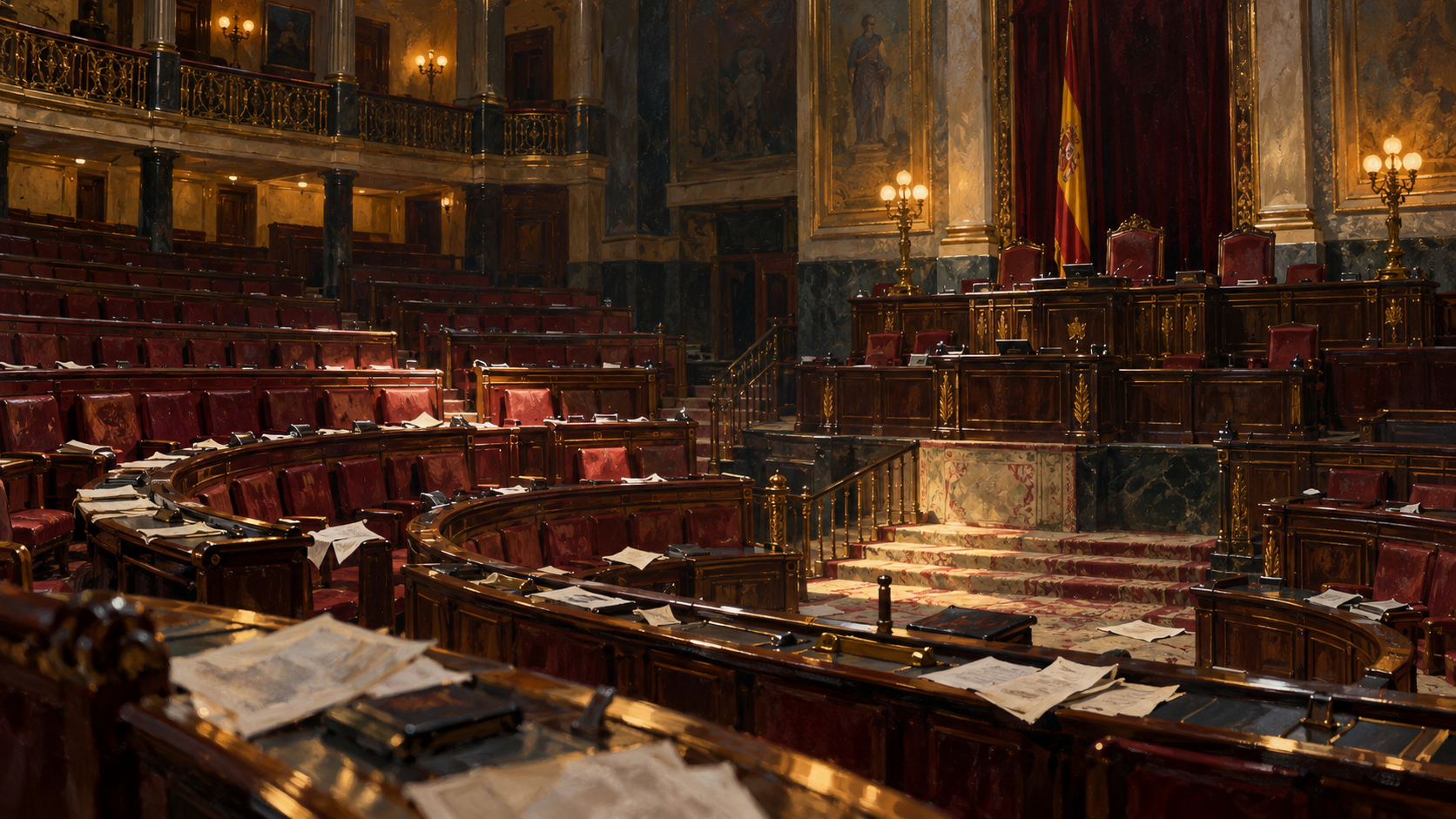
On February 23, 1981, an attempted coup interrupted Spain’s parliamentary proceedings and threatened the country’s developing democracy. Armed Civil Guards led by Lieutenant Colonel Antonio Tejero entered the Congress of Deputies in Madrid while lawmakers were voting on the investiture of Leopoldo Calvo-Sotelo as prime minister. Deputies and members of the government were held inside the chamber through the night. The event became known as 23-F. It turned a constitutional transfer of executive leadership into a national crisis and demonstrated that democratic institutions established after dictatorship still faced opponents willing to use force to overturn the political process.
The interrupted vote followed the resignation of Adolfo Suárez, a central figure in Spain’s transition from Francisco Franco’s dictatorship. The Constitution of 1978 had created the framework within which the succession to the premiership was being decided. The attack therefore targeted a specific democratic mechanism: Parliament’s authority to authorize a government. Holding elected representatives captive was also a direct attempt to replace public constitutional procedure with coercion. The uncertainty extended beyond the people trapped in the building, as the country waited to see whether the attempted seizure would attract enough support to destroy the new system or whether constitutional authority would hold.
The crisis continued into February 24. King Juan Carlos appeared on television in support of the constitutional order, and the attempted coup failed. Lawmakers were released, and parliamentary proceedings resumed. Calvo-Sotelo’s investiture was completed on February 25, preserving the institutional process that the attackers had tried to stop. The sequence matters because the failure of the coup was not fully established at the moment of the initial assault. It depended on decisions taken during the ensuing hours by political authorities, military figures, and others whose response determined whether the seizure of one chamber would become a wider overthrow of government.
The failed coup became a defining memory of Spain’s democratic transition. It is often remembered through the dramatic images of the chamber, but its political meaning reaches beyond those scenes. A constitutional system needs more than a written text: public institutions must continue to recognize lawful authority when threatened, and armed organizations must remain subordinate to it. The survival of the parliamentary process in February 1981 did not remove every difficulty facing Spanish democracy. It did establish that this attempt to interrupt representative government would not succeed. February 23 recalls both the vulnerability of a young democracy and the importance of restoring ordinary constitutional procedures after an extraordinary attack upon them.
The Congress was voting on a new prime minister following Adolfo Suárez’s resignation. The target was a lawful parliamentary transfer of authority.
Spain’s 1978 Constitution provided the framework for the transition. The attempted coup challenged that framework through armed coercion.
The hostage crisis lasted from February 23 into February 24. The coup’s failure belongs to the unfolding sequence, not just the first evening.
Juan Carlos’s televised intervention defended the constitutional order. Parliamentary proceedings resumed after the captives were released.
Calvo-Sotelo’s investiture was completed on February 25, giving a concrete institutional outcome to the defeat of the attempt.
The anniversary highlights the need for civilian constitutional authority to remain effective when armed actors seek to substitute force for representation.
Explore more of "On This Day ..."
Discover more events from the same date across news, politics, technology, sports, and other fields. Each link highlights significant moments that shaped history on different fronts.