

On This Day in Politics: February 26, 1919
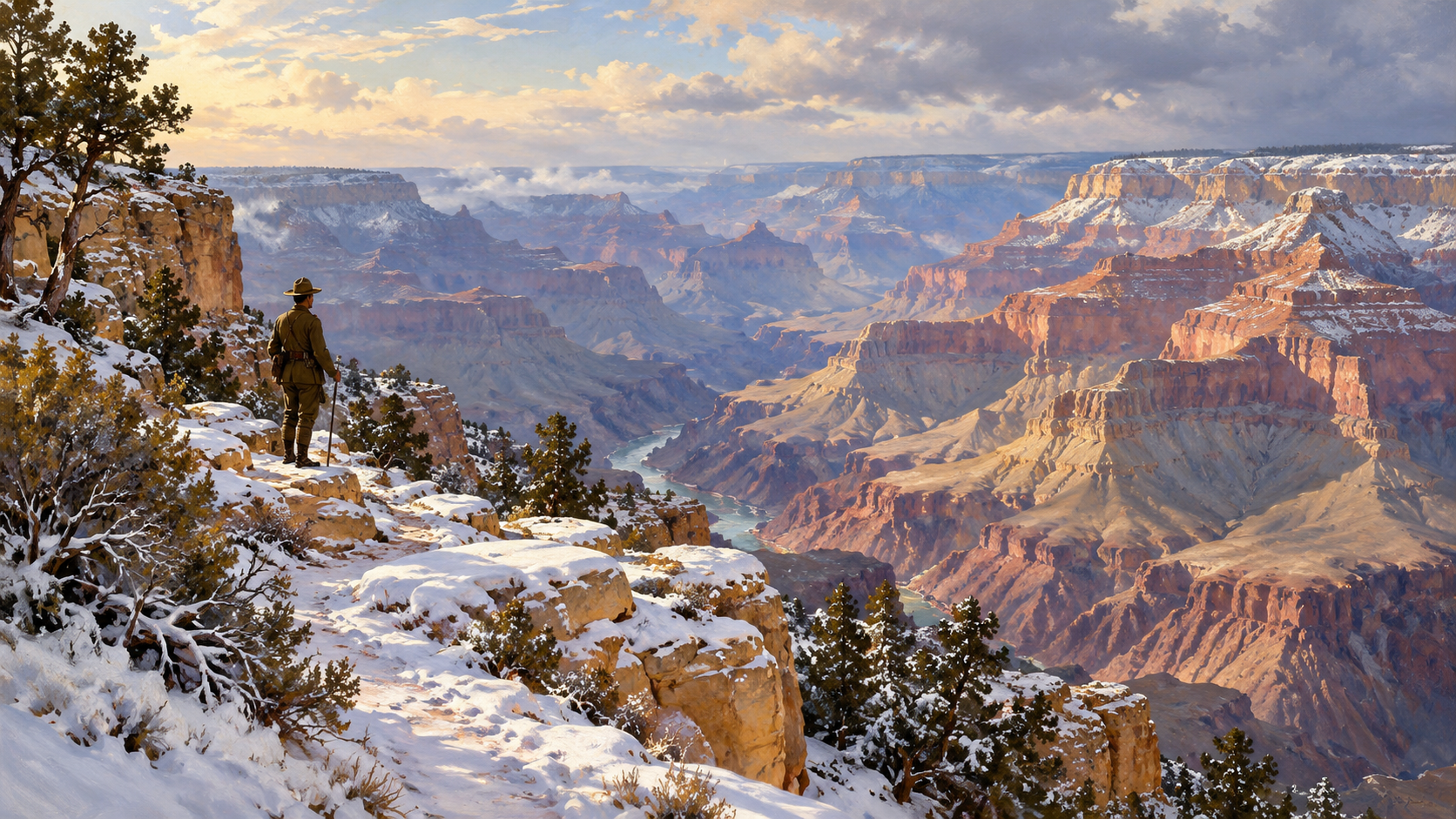
On February 26, 1919, President Woodrow Wilson signed the law establishing Grand Canyon National Park. The act made the canyon the nation’s seventeenth national park and placed its protection within a specific federal legislative framework. The landscape was already famous, and it had previously held national monument status. The new designation was therefore a political decision about how a place of exceptional significance should be governed. Congress and the president committed the federal government to a lasting public role, connecting the canyon’s future to conservation, visitor access, administration, and decisions about the acceptable uses of land.
The park did not begin with an untouched landscape suddenly discovered by outsiders. Indigenous peoples had long inhabited and maintained relationships with the canyon region. Later exploration, tourism, mining, and settlement brought competing pressures, and the development of conservation policy was entangled with displacement and unequal power. Writers and artists helped build national attention, while transportation and hotels made the South Rim accessible to more visitors. By 1919, protecting the canyon meant confronting an already complicated human history. A national designation could change legal authority, but it could not erase the earlier presence of communities or automatically resolve competing claims to the land.
National park status also required practical government. Trails, water systems, bridges, sanitation, and visitor facilities had to be planned, financed, and maintained. Administrators dealt with concessionaires and the growing demand to experience the canyon, while also carrying responsibility for its resources. The National Park Service’s later work on crossings and trails shows how preservation involved active management rather than simply leaving a boundary on a map. Each improvement raised questions about access, environmental effects, safety, and the balance between public use and protection. The law established the institution; repeated decisions by officials and workers determined how that institution would function.
The February 26 anniversary is often celebrated for the scenery it helped protect, but its political significance is equally important. National parks depend on public choices about long-term obligations, including obligations to people who will never visit and to future generations who cannot vote today. They also require an honest account of the Indigenous communities connected to the land and the exclusions embedded in earlier policies. Grand Canyon’s designation did not end debate about stewardship. It created a durable framework within which those debates would continue. The act illustrates how legislation can turn appreciation for a landscape into governmental responsibility, while leaving the quality and fairness of that responsibility to be tested over time.
The canyon had national monument protection before 1919. The February law changed its status to a national park.
Indigenous history long preceded federal designation. Conservation history must include those enduring relationships and the effects of displacement.
Wilson signed the establishment act on February 26. The new park became the seventeenth in the national system.
Protection required staff, facilities, and decisions about visitors and commercial services. A legal designation alone could not do that work.
Trails, bridges, and water systems show how public access and preservation required continuing investment and judgment.
The anniversary highlights conservation as a form of government: a long-term public commitment whose fairness and effectiveness depend on how it is carried out.
Explore more of "On This Day ..."
Discover more events from the same date across news, politics, technology, sports, and other fields. Each link highlights significant moments that shaped history on different fronts.