

On This Day in Politics: April 5, 1992
On April 5, 1992, Peruvian President Alberto Fujimori announced that he was dissolving Congress and reorganizing other central institutions of government. The televised address came late in the evening as military forces moved against centers of political and judicial authority in Lima. The action became known as an autogolpe, or self-coup: an incumbent president used the power of his office and military support to break the constitutional restraints on his own government. Rather than transferring power to an opposition group, it concentrated authority in the executive. The closure of the legislature was therefore part of a wider rupture in Peru’s constitutional order, with consequences for courts, political opposition, and the press.
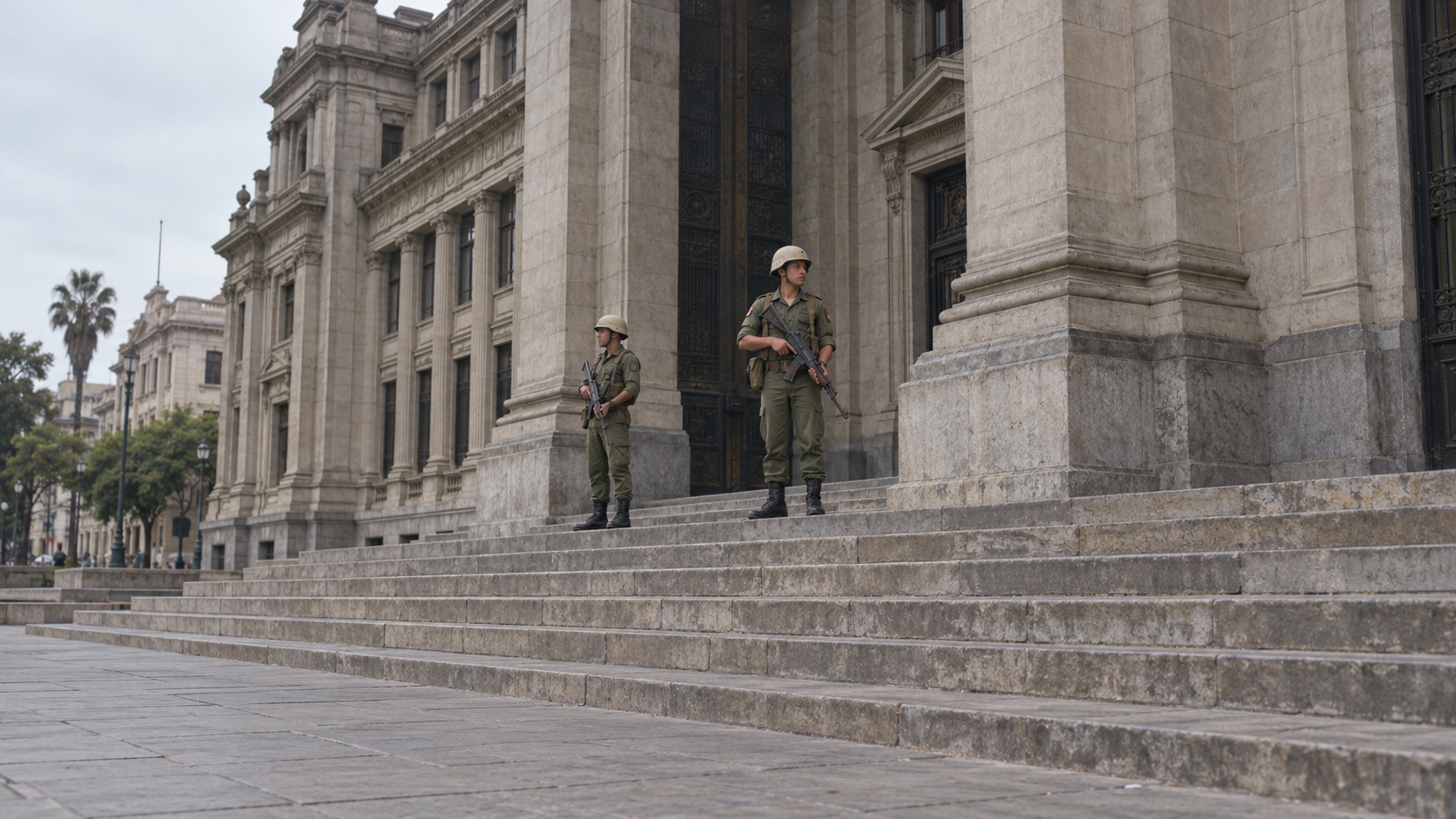
Peru was already facing severe insecurity, including violence by the Shining Path insurgency, alongside economic and institutional strain. Fujimori portrayed Congress and the courts as obstacles to effective government. That was his justification for the intervention, not a constitutional authorization to carry it out. The Inter-American Commission on Human Rights later documented the suspension of constitutional provisions, the assumption of legislative powers by the president, and intervention in judicial institutions. Troops occupied Congress and the Palace of Justice. Political figures, including the leaders of the two legislative chambers, faced restrictions on their freedom. These measures turned a dispute over governance into the removal of independent checks on presidential decisions.
The immediate experience of the coup extended beyond formal announcements. Military pressure on political organizations and news outlets limited the ability of opponents and journalists to respond freely. The distinction between public support for stronger government and lawful government was crucial: approval of a president’s objectives did not itself preserve the institutions needed to scrutinize his actions. Across the region, the Organization of American States pressed for the restoration of democratic constitutional rule and respect for human rights. Its representatives visited Peru in April and May. Their involvement made the crisis an international diplomatic issue as well as a domestic confrontation, placing the government’s claims under outside examination.
Fujimori subsequently promised an elected constituent body, and elections for a Democratic Constituent Congress were scheduled for November 22, 1992. The transition remained contested, including questions about the conditions for political participation. The human-rights commission’s account also raised concerns about the independence of courts following dismissals and institutional changes. April 5 is remembered because it demonstrated how an elected leader could dismantle safeguards while claiming to rescue the state from crisis. Elections and emergency rhetoric did not resolve the underlying question of who could limit executive power. The day’s significance lies in that concentration of authority and the struggle over the democratic institutions displaced by it.
Fujimori was the incumbent president when he dissolved Congress.
He justified intervention by citing obstacles to governing amid a national crisis.
Military deployments accompanied the televised announcement.
Judicial institutions, opposition figures, and news outlets were also affected.
The Organization of American States pressed for constitutional government and human rights.
The episode illustrates how executive power can displace the institutions intended to restrain it.
Explore more of "On This Day ..."
Discover more events from the same date across news, politics, technology, sports, and other fields. Each link highlights significant moments that shaped history on different fronts.