

On This Day in Politics: April 6, 1917
On April 6, 1917, the United States formally declared war on Germany. The House of Representatives approved the resolution in the early morning, joining the Senate, and President Woodrow Wilson signed it later that day. The action ended more than two years of American neutrality in the European conflict. It completed the legal process Wilson had requested in his address to Congress on April 2. The distinction matters: the earlier speech made the president’s case, while the April 6 resolution committed the country to war through congressional action and presidential approval. The military and social mobilization that followed would require many further decisions.
The House vote was 373 to 50, recorded at 3:12 a.m. after extended debate. Opposition included Majority Leader Claude Kitchin of North Carolina and Jeannette Rankin of Montana, the first woman elected to Congress. Rankin was one of fifty House opponents, not a lone dissenter. Members who resisted entry questioned whether vital American interests required war, whether public opinion supported it, and whether alternatives had received a fair opportunity. Some also warned that commercial interests were shaping the decision. The large majority in favor therefore coexisted with a significant recorded challenge to the administration’s course, preserved in the legislative roll call.
The resolution itself was brief but sweeping. It declared a state of war between the United States and the Imperial German Government and authorized the president to employ the nation’s military and naval forces and government resources to carry it on. Congress also pledged the resources of the country toward a successful outcome. That language provided a broad commitment without supplying a detailed plan for raising forces, funding operations, or conducting the campaign. Germany’s submarine attacks on shipping and its effort to draw Mexico into an alliance against the United States had figured prominently in the argument for intervention. The declaration applied to Germany; war with Austria-Hungary followed separately in December.
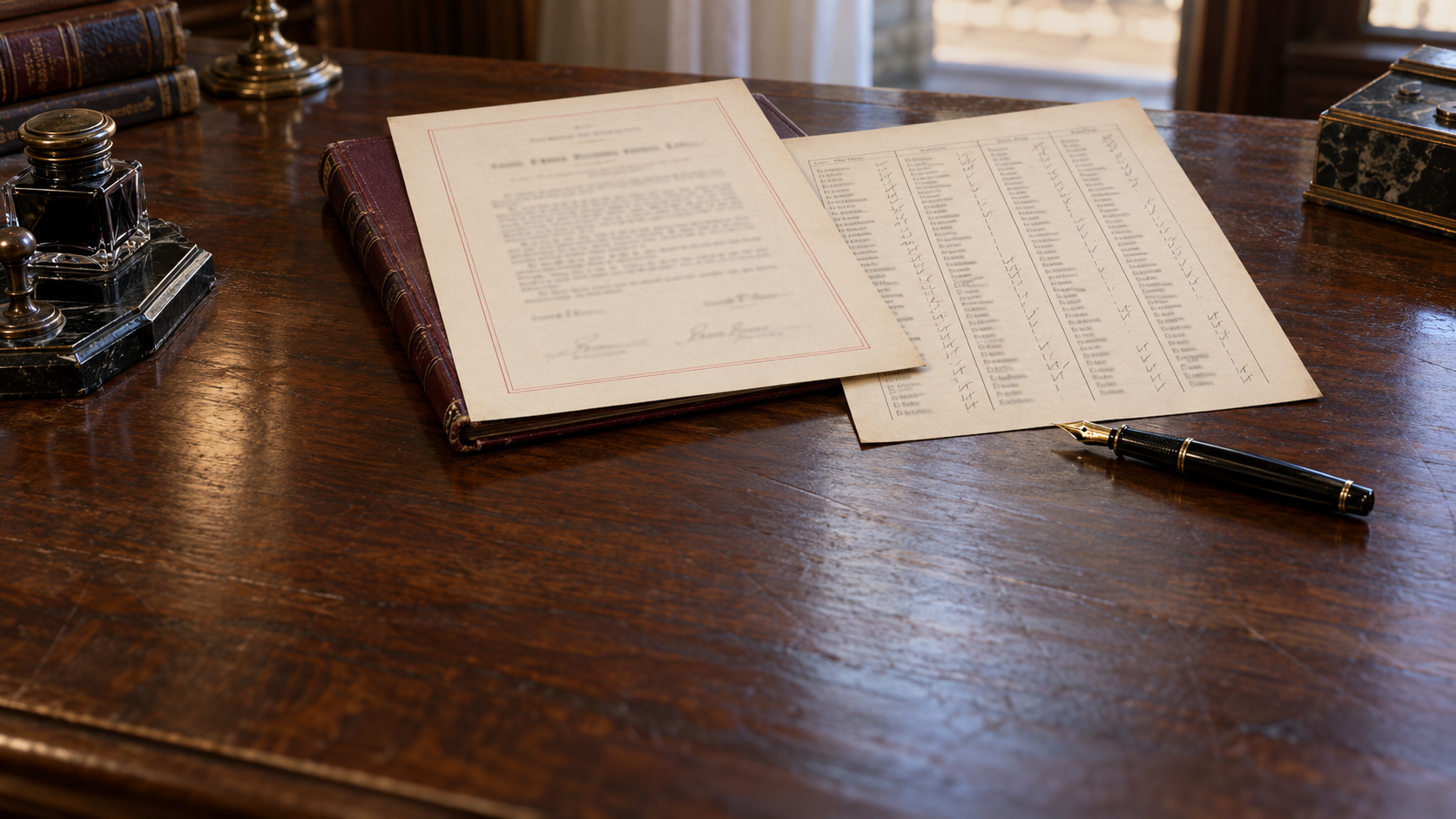
The legal change was immediate, but the ability to wage a major overseas war developed over time. The Selective Service Act in May established conscription, and American military participation expanded through subsequent recruitment, training, transport, and supply efforts. The country’s eventual contribution to the fighting should not be read backward as a force already assembled on April 6. Politically, the day illustrates the interaction of presidential leadership, legislative authority, and public disagreement at a moment of profound consequence. The surviving resolution and tally sheet preserve both the decision to enter the war and the fact that elected representatives debated and opposed it before national policy changed.
Wilson requested a declaration on April 2; the final approval came April 6.
The House joined the Senate in authorizing war against Germany.
Fifty House members opposed the resolution, including Jeannette Rankin.
The resolution committed national resources but did not itself complete mobilization.
Conscription followed through separate legislation in May.
The records preserve both the majority’s decision and the existence of dissent.
Explore more of "On This Day ..."
Discover more events from the same date across news, politics, technology, sports, and other fields. Each link highlights significant moments that shaped history on different fronts.