

On This Day in Politics: July 14, 1789
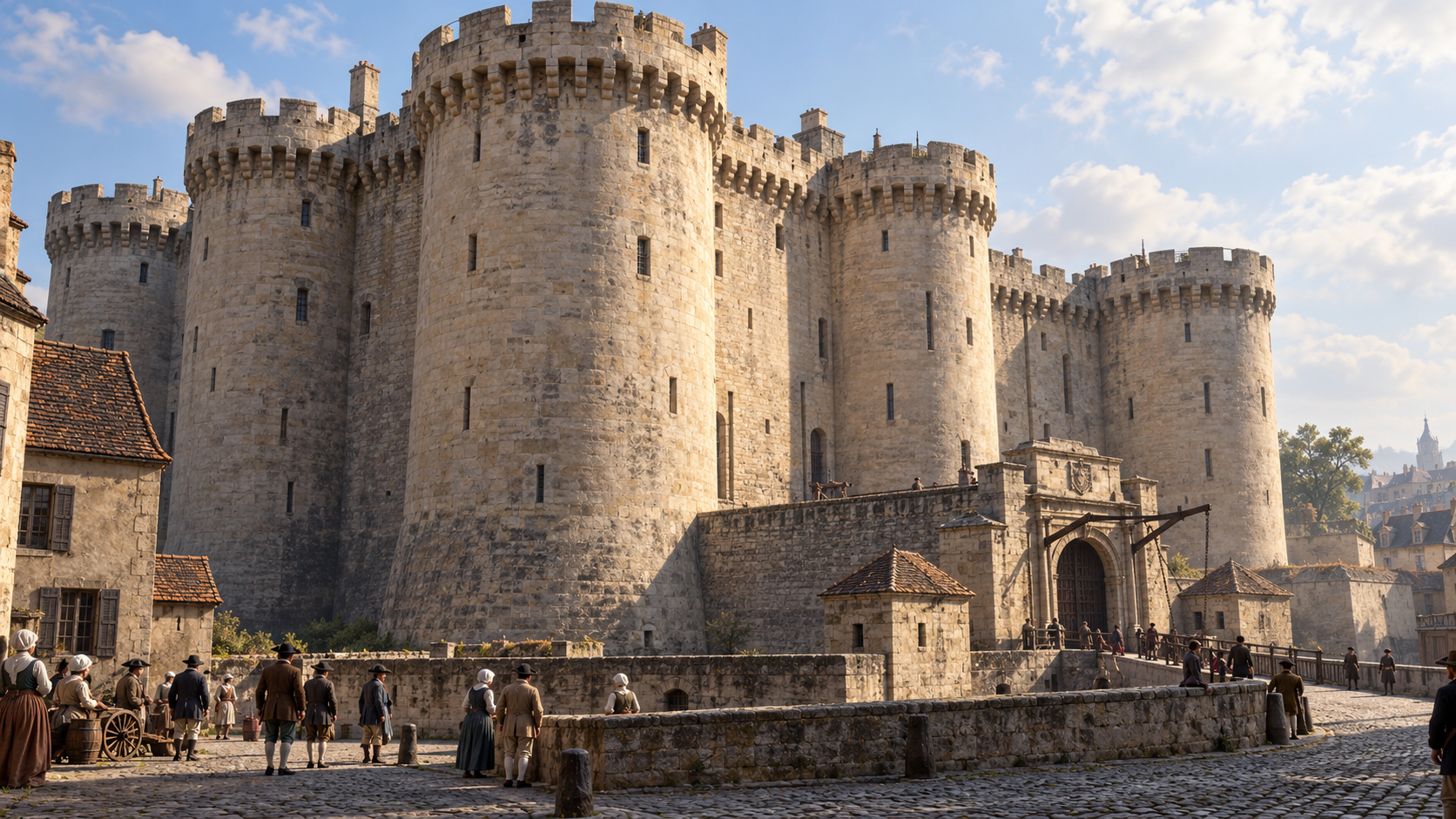
On July 14, 1789, Parisians captured the Bastille, the fortress and state prison near the city’s eastern gate. The immediate struggle centered on weapons, ammunition, and fears about royal military power. The prison held only seven inmates, so the event was not the liberation of a vast population of political prisoners. Its political importance nevertheless became immense. A crowd had successfully challenged an institution associated with royal authority, and the fall of the fortress became an enduring image of the French Revolution. The practical search for gunpowder and the later symbolic meaning of the day are both essential to understanding what happened.
The confrontation came amid an expanding crisis of the monarchy. Louis XVI had convened the Estates-General at Versailles in May to address the kingdom’s difficulties. Disputes over representation and authority helped transform that gathering into a challenge to the established political order. In Paris, food shortages, higher bread prices, and the presence of troops intensified anxiety. News of finance minister Jacques Necker’s dismissal added to fears that the Crown would suppress reform. Demonstrations and the organization of a citizen militia followed. These developments meant that the crowd approaching the Bastille was acting within a broader struggle over who could exercise legitimate authority, rather than responding only to the prison’s reputation.
On the morning of July 14, people obtained weapons at the Invalides but still needed ammunition. The Bastille contained substantial stores of gunpowder. Delegations sought their release and the withdrawal of guns threatening the surrounding streets, but negotiations failed to prevent fighting. The garrison eventually surrendered, and the crowd entered the fortress, seized powder, and freed the prisoners. The day involved serious loss of life, and Governor Bernard-René de Launay was killed after surrender. Demolition began soon afterward under the entrepreneur Pierre-François Palloy. Stone from the fortress was reused, and some material became commemorative objects. The building’s destruction helped turn a physical victory into a lasting political memory.
The capture did not immediately abolish the monarchy or establish a republic. France’s revolution continued through further constitutional experiments, conflict, and upheaval. At Versailles, the news of the Bastille’s fall made the strength of the movement in Paris unmistakable. The anniversary acquired another meaning in 1790, when the Festival of the Federation celebrated national unity. In 1880, the republic adopted July 14 as its national holiday, a date that could evoke both the popular action of 1789 and the gathering of 1790. The historical event and its later commemoration should therefore be distinguished. July 14 remembers a decisive challenge to royal power, while the ways France has celebrated it reveal subsequent efforts to define the nation and its political traditions.
The Bastille held only seven prisoners when it fell.
Weapons, gunpowder, food shortages, and fears of royal troops shaped the confrontation.
The garrison surrendered after fighting and unsuccessful negotiations.
The fall of the fortress did not immediately create a French republic.
The 1790 Festival of the Federation added a theme of national unity to the anniversary.
July 14 became France’s national holiday in 1880, drawing on memories of both 1789 and 1790.
Explore more of "On This Day ..."
Discover more events from the same date across news, politics, technology, sports, and other fields. Each link highlights significant moments that shaped history on different fronts.