

On This Day in Politics: July 15, 1979
On July 15, 1979, President Jimmy Carter addressed the United States from the Oval Office about energy shortages and a deeper loss of public confidence. Broadcast live on radio and television, the speech connected practical questions about oil imports and conservation to the country’s ability to act together. Carter argued that distrust of institutions and diminished faith in the future were making national problems harder to solve. His diagnosis was a political argument, rather than an agreed explanation of every economic difficulty. The address became known as the crisis of confidence speech and, more controversially, the malaise speech, although Carter never used that latter word.
The broadcast followed a pause in the president’s public schedule and consultations at Camp David. Carter had postponed an earlier energy address while reconsidering how to explain the crisis. He invited elected officials, business and labor representatives, religious leaders, scholars and other Americans to discuss the country’s problems. Those conversations included criticism of his leadership as well as advice about policy. The immediate setting included gasoline shortages, rising prices and anxiety about imported oil. Behind those concerns lay the memory of the Vietnam War and Watergate, events that had weakened trust in government. Carter sought to explain why proposals from Washington had failed to produce a stronger shared response.
The speech combined a call for civic renewal with an energy program. Carter wanted to restrain oil imports, expand domestic alternatives, support public transportation and encourage conservation. His proposals included new federal institutions and legislative action, making Congress an essential participant in the program. He also asked individuals to reduce unnecessary travel, share rides and use fuel more carefully. These appeals treated daily consumption as part of national policy, connecting household choices to economic security. An address could announce goals and request support, but it could not by itself enact every measure or immediately end shortages. The distinction between a presidential promise and an implemented program remained significant.
Reactions to the address changed over time. It initially drew favorable responses from many listeners, but criticism of Carter’s leadership persisted, and a subsequent cabinet reorganization complicated his attempt to regain momentum. Supporters saw an unusually candid appeal for responsibility; critics regarded its emphasis on the national mood as misplaced or discouraging. The speech later became closely associated with debates about his presidency and his defeat by Ronald Reagan in 1980. That later outcome should not be reduced to a single televised address. July 15 remains a revealing example of how presidents try to connect a policy emergency with a wider account of citizenship, trust and collective purpose.
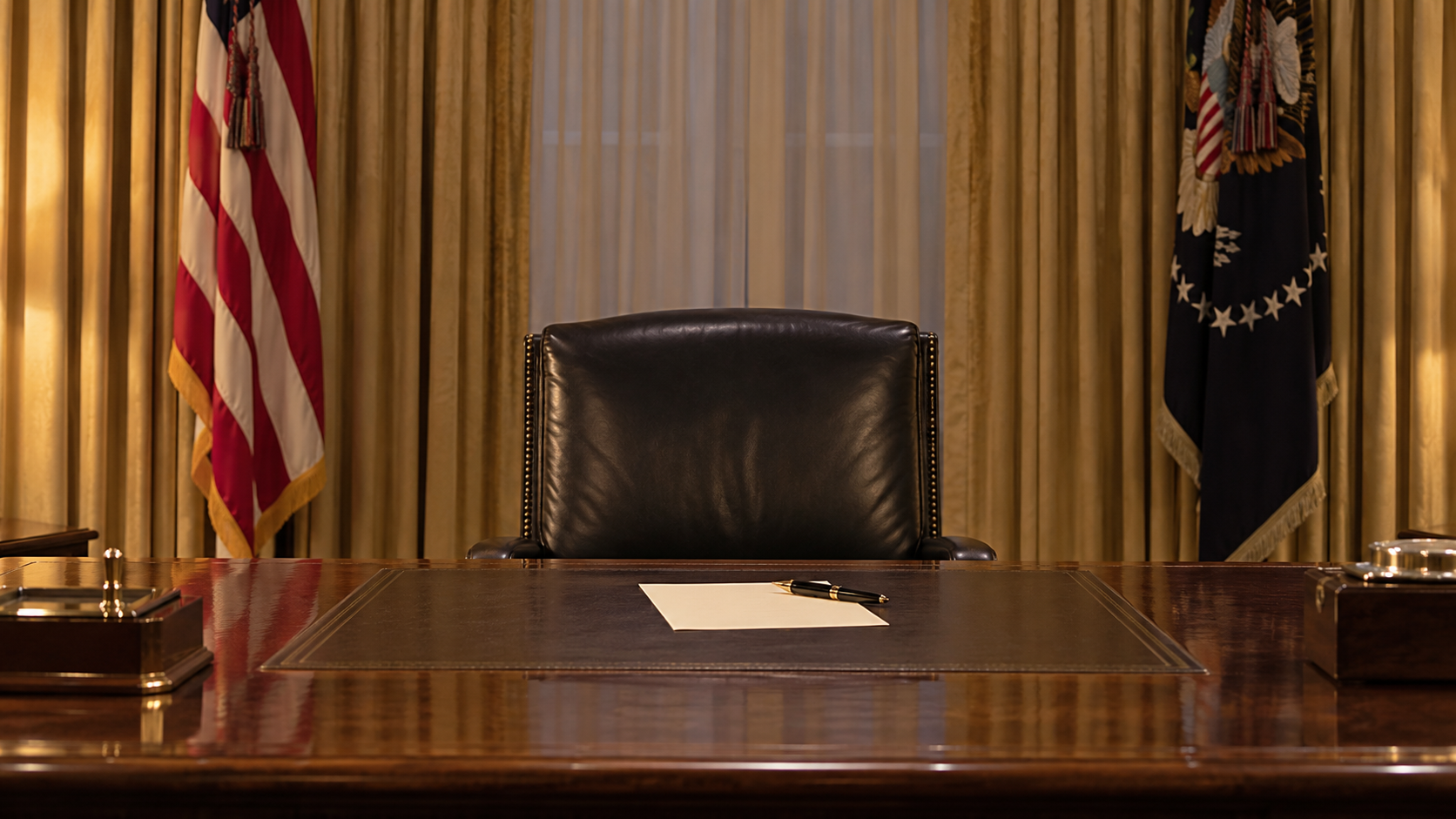
The address was delivered from the Oval Office and broadcast live on radio and television. Its familiar malaise label does not reproduce Carter’s own wording.
Camp David consultations helped shape the speech. Carter publicly acknowledged hearing criticism of his leadership during those discussions.
Gasoline shortages and rising energy costs made the debate immediate for households. Carter connected those pressures with a broader argument about civic trust.
Many of the announced proposals required Congress to act. A broadcast did not automatically turn the entire program into law.
The early response included approval as well as disagreement. Later events affected how the speech and Carter’s leadership were remembered.
The address linked conservation to participation in national life. Its legacy includes continuing debate over whether that appeal inspired or discouraged the public.
Explore more of "On This Day ..."
Discover more events from the same date across news, politics, technology, sports, and other fields. Each link highlights significant moments that shaped history on different fronts.