

On This Day in Politics: August 2, 1776
On August 2, 1776, delegates to the Second Continental Congress signed the engrossed parchment Declaration of Independence in the Pennsylvania State House in Philadelphia, now known as Independence Hall. Congress President John Hancock placed the prominent signature that remains among the document's most recognizable features. Most of the eventual signers added their names that day, while others signed later. The act was distinct from Congress's adoption of the Declaration on July 4. By signing the formal manuscript, delegates made a personal and public commitment to the separation of thirteen colonies from Britain, even though the military and diplomatic outcome of that decision remained deeply uncertain.
The decision to seek independence had developed during an expanding war. Fighting began in 1775, and Congress organized resistance while also attempting reconciliation. As the conflict continued, support for a permanent break grew. Congress approved the resolution for independence on July 2, 1776, then adopted the Declaration's text two days later. Printed copies circulated the announcement, allowing it to be read to soldiers and civilians. These July actions established and communicated the decision before the parchment signing. The familiar association of July 4 with independence is therefore accurate for the adoption of the text, but it does not mean that every signature on the surviving document was written on that date.
On July 19, Congress ordered the Declaration to be engrossed on parchment and signed by its members. Engrossing meant preparing a formal handwritten copy, rather than simply collecting names on one of the printed announcements. The manuscript is generally attributed to Timothy Matlack, who served as an assistant to Secretary of Congress Charles Thomson. On August 2, the engrossed copy was compared at the table and signed. Delegates placed their names in groupings associated with their states. Membership had changed since the July debates, so the signers and the men who had voted on adoption were not identical groups. Some absent members signed later, bringing the eventual total to 56. The surviving parchment records that extended process rather than one perfectly simultaneous ceremony.
Signing did not secure independence by itself. The United States still needed to sustain armies, obtain resources, and win recognition from other powers. Britain would acknowledge American independence through the Treaty of Paris in 1783, years after the Philadelphia meeting. The Declaration also contained a tension that remained unresolved: its assertion of human equality coexisted with slavery and political exclusions. Later generations used its language to challenge those limits, even as they debated what the founding promise required. The August 2 anniversary brings attention to the document's material history and the responsibility assumed by individual representatives. It distinguishes a formal act of commitment from the earlier vote, the public announcement, and the subsequent struggle to turn independence into a lasting political reality.
Three dates explain the sequence: Congress voted for independence on July 2, adopted the Declaration on July 4, and began the principal signing of the parchment on August 2.
Printed copies announced independence before the manuscript was ready. The parchment was a formal record, not the first version through which the public learned of the decision.
The signers and the delegates who voted in July were overlapping but different groups. Changes in membership and later signatures make a single-date account of all 56 names misleading.
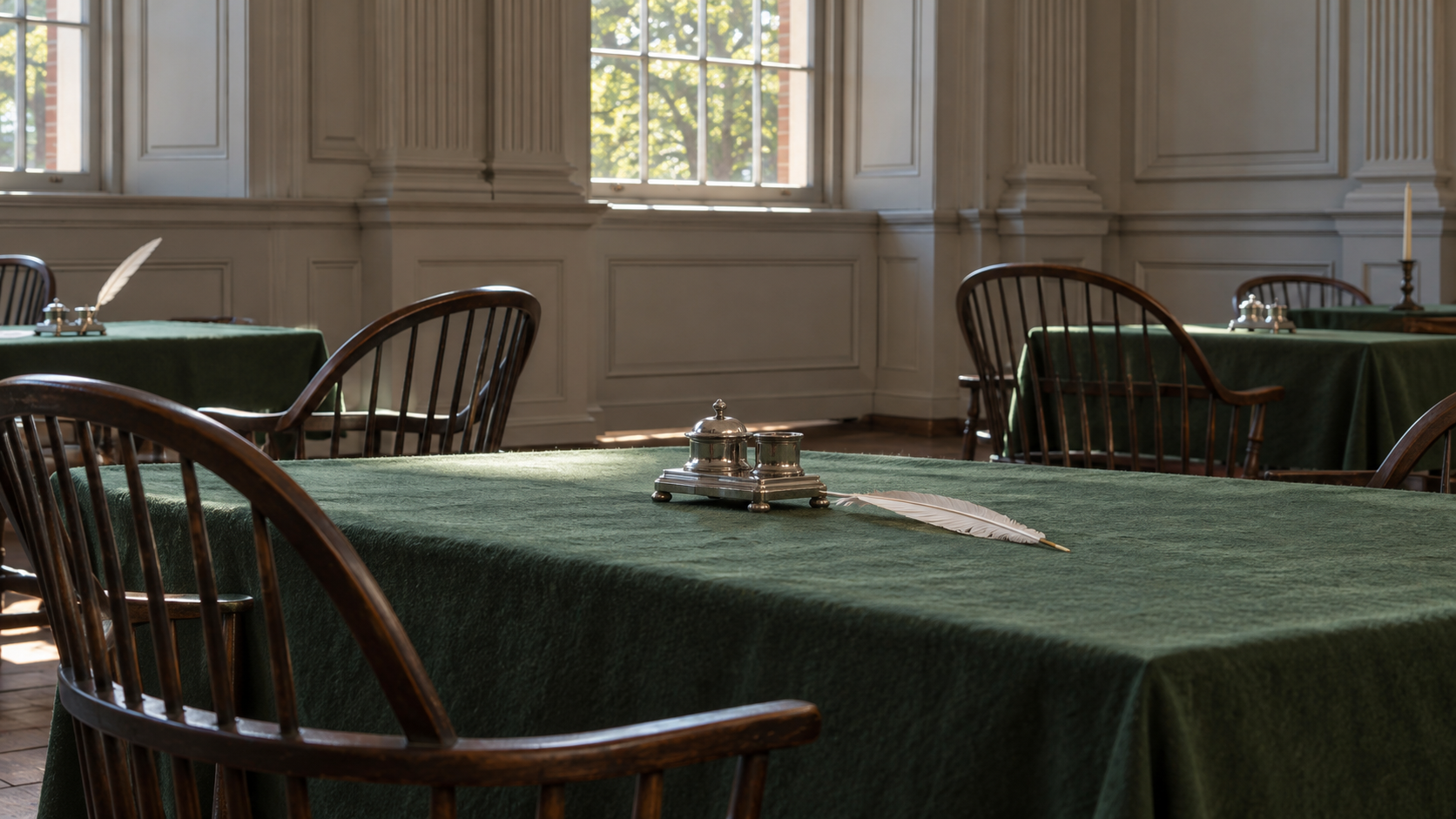
The Assembly Room's present furnishings combine evidence from different periods. Its famous Rising Sun chair dates to 1779 and therefore was not the chair used for the 1776 signing.
Military victory and diplomatic recognition came later. The 1783 Treaty of Paris belongs to the outcome of the independence struggle, rather than to the August 1776 signing itself.
The Declaration's claims about equality became a resource for later reform movements. Slavery and exclusion at the founding also made those claims a continuing subject of political challenge.
Explore more of "On This Day ..."
Discover more events from the same date across news, politics, technology, sports, and other fields. Each link highlights significant moments that shaped history on different fronts.