

On This Day in Politics: August 3, 1960
On August 3, 1960, the Republic of Niger became independent from France, with its government based in Niamey and led by Prime Minister Hamani Diori. The transition ended French sovereignty over the territory and placed responsibility for its international relations in the hands of the new state. United States President Dwight D. Eisenhower sent a congratulatory message to Diori, and American recognition accompanied the change of status. Niger was one of the African territories becoming independent during 1960, but its experience had a distinctive political history. Independence established sovereignty without immediately removing the influence of France or resolving disagreements about who should govern the country.
Diori had trained and worked as a teacher before entering politics. In 1946 he helped establish the Nigerien Progressive Party, associated with the African Democratic Rally, and won a seat in the French National Assembly. The question of how Niger should separate from colonial rule became particularly contentious during the 1958 referendum on France's new constitutional arrangements. Diori favored participation in the French Community, a structure offering internal self-government while preserving links with France. Djibo Bakary and the Sawaba movement supported immediate independence. The referendum's outcome cannot be understood as a simple, uncontested choice: historical research documents French intervention and coercion against the opposition. Diori's rise occurred within that unequal political environment.
The achievement of full independence in August 1960 changed Niger's legal standing beyond the earlier arrangements for self-government. It could establish diplomatic relations and seek membership in international organizations in its own name. In a letter dated August 7, Diori requested admission to the United Nations and explicitly identified August 3 as the date the republic attained full independence. That request followed the transfer of sovereignty; it was not the declaration of independence itself. Likewise, Diori's election as president by the national assembly came in November 1960. Keeping those steps separate avoids treating the anniversary as the date on which every institution of the new republic was simultaneously created. State-building involved a sequence of decisions after the initial constitutional break.
The new government's options were constrained by the political and economic relationships inherited from colonial rule. Close ties with France continued, while opposition leaders associated with Sawaba were driven into exile and the country developed a one-party system. Diori remained president until a military coup removed him in April 1974. Those later developments demonstrate why national independence and competitive political freedom must be examined separately. Sovereignty gave Niger a place in international affairs and authority to act as a state, but it did not guarantee broad participation or a rapid change in underlying power relationships. The August 3 anniversary marks a decisive end to formal colonial status while also opening questions about the institutions, dependencies, and political choices that shaped the republic afterward.
Diori and Bakary represented different approaches to decolonization. Their disagreement over the French Community helped shape the political conditions in which independence was eventually negotiated.
Scholarship on the 1958 referendum documents colonial intervention against Sawaba. A neutral account should preserve that context rather than presenting the vote as an entirely free contest.
American recognition on August 3 accompanied Niger's independence. A permanent American embassy in Niamey opened in February 1961, a separate institutional development.
Diori's August 7 request for UN membership confirms the independence date in a contemporary government document. His election as president followed in November, after the anniversary event.
Independence brought international sovereignty, while a one-party system limited domestic competition. These were different dimensions of political life and should not be treated as interchangeable.
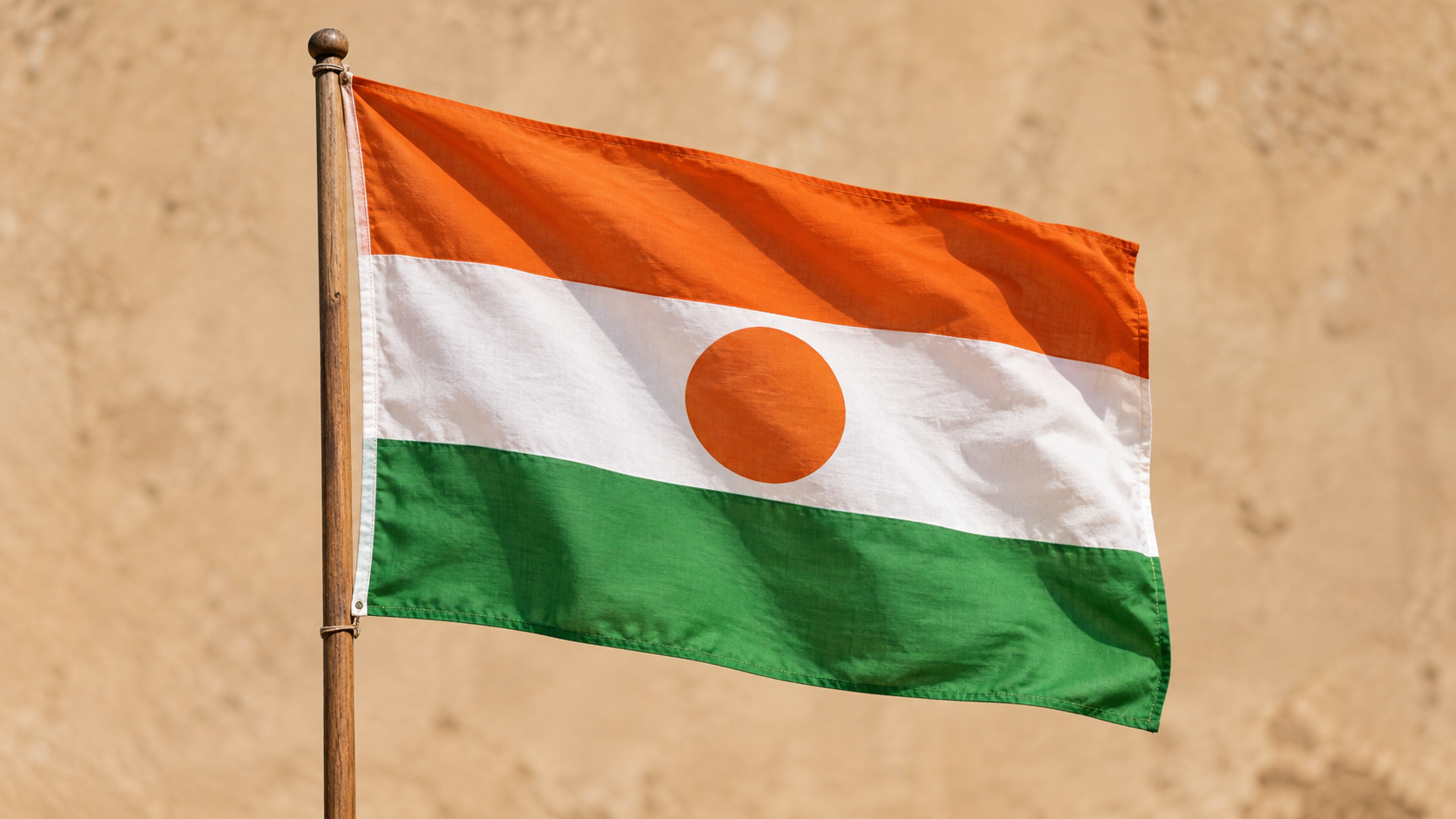
The national flag had already been adopted in November 1959. Its orange, white, and green bands and orange central disc therefore provide an appropriate symbol for a reconstruction connected to 1960.
Explore more of "On This Day ..."
Discover more events from the same date across news, politics, technology, sports, and other fields. Each link highlights significant moments that shaped history on different fronts.