

On This Day in Politics: September 5, 1774
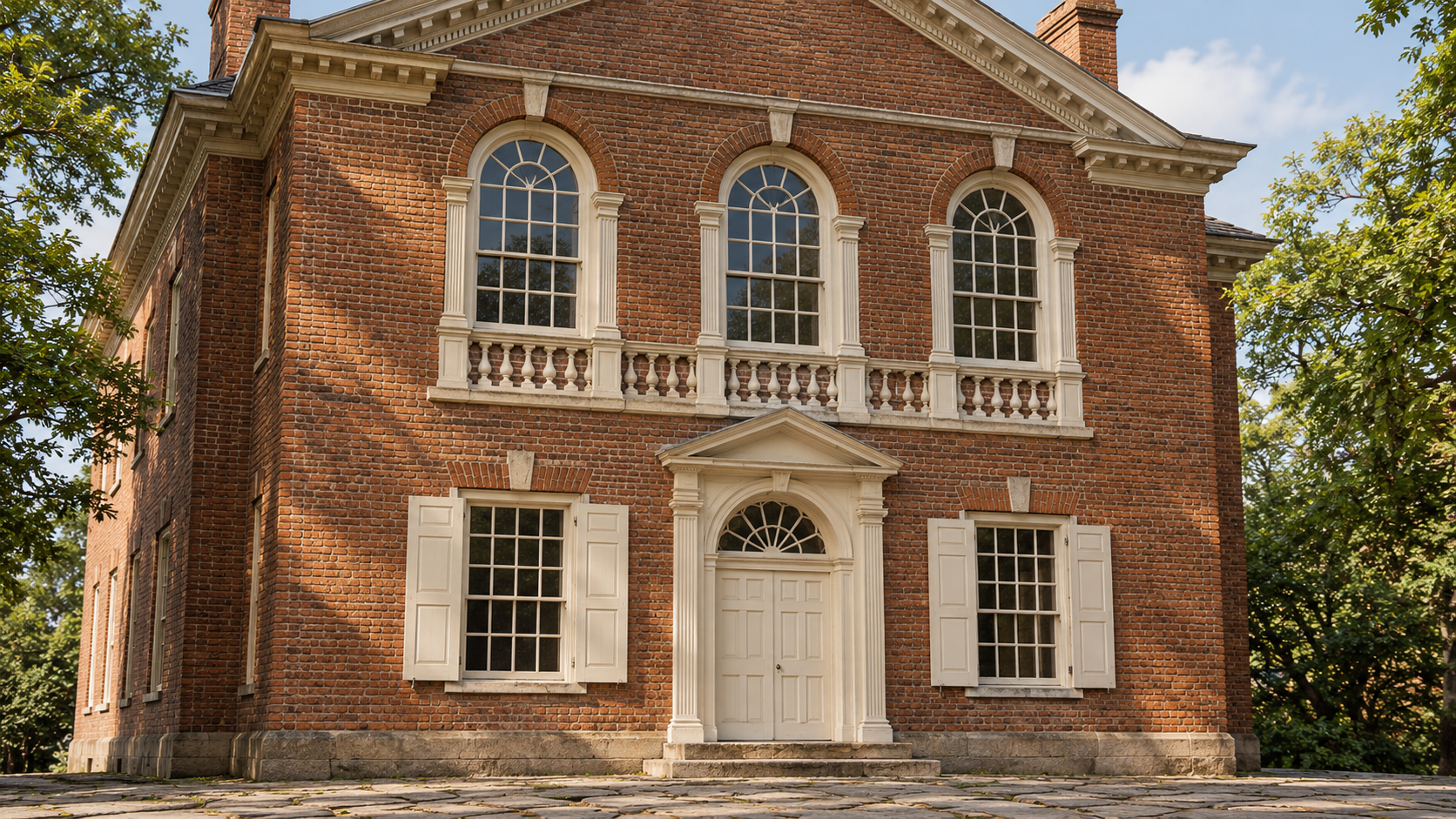
On September 5, 1774, the First Continental Congress assembled at Carpenters' Hall in Philadelphia, bringing together delegates from twelve British North American colonies. Georgia did not participate. The delegates met to organize a common response to Parliament's Coercive Acts and to defend what they understood as colonial rights within the empire. They were not declaring an independent United States that day. Their immediate aim was coordinated resistance and a repair of the deteriorating relationship with Britain. Opening the Congress supplied an institution through which separate colonies could debate a shared position and decide how to act together.
Parliament had passed the Coercive Acts after the Boston Tea Party, seeking to punish the city and reassert imperial authority. Colonial leaders regarded those measures as a threat extending beyond Massachusetts. Philadelphia offered an accessible central meeting place, and Carpenters' Hall provided a suitable room. The building belonged to a company of master craftsmen rather than to a national legislature that already existed. Delegates chose it after inspecting the space, with the main floor used for the Congress and upper rooms available for committee work. These practical arrangements helped turn an intercolonial gathering into a working political body capable of sustaining several weeks of deliberation.
The measures associated with the First Continental Congress were adopted during its session, not all at its opening. In October, delegates approved a statement of rights and grievances and signed the Articles of Association. The latter organized a phased boycott of British trade through restrictions on importing, exporting and consumption. Local committees were to enforce the agreement, giving coordinated resistance a presence beyond the meeting hall. Such machinery could place pressure on Parliament while also pressuring neighbors who declined to cooperate. The Congress therefore linked constitutional arguments with economic organization, although those tactics did not produce agreement among every colonist or end the imperial dispute.
The session ended on October 26, with another Congress planned if the grievances remained unresolved. Fighting began before that next meeting, and the Second Continental Congress assembled in May 1775 at the Pennsylvania State House rather than Carpenters' Hall. The Declaration of Independence followed in 1776 through that later body. These distinctions prevent the opening meeting of 1774 from being confused with decisions made during the revolution itself. September 5 matters because representatives of separate colonies established a common forum before they possessed a sovereign national government. Their effort to coordinate rights, grievances and resistance laid organizational foundations for later action, even though reconciliation remained an objective when the first session began.
The Coercive Acts followed the Boston Tea Party and sought to reassert Parliament's authority. Colonies sent delegates to Philadelphia because they saw the resulting dispute as a shared concern.
Twelve colonies participated, with Georgia absent. The delegates used Carpenters' Hall, the home of a craftsmen's company, rather than an existing national parliamentary building.
September 5 marks the opening of the Congress. Its Declaration of Rights and Articles of Association were adopted later in the session, during October 1774.
The trade boycott relied on local committees and community enforcement. It aimed to put pressure on Britain, while also generating disagreements with colonists who resisted participation.
The first session ended on October 26 and provided for another Congress if grievances remained unanswered. The next meeting began in May 1775 after fighting had broken out.
The Second Continental Congress met at the Pennsylvania State House and later adopted independence. Carpenters' Hall's role was the earlier development of organized intercolonial deliberation and resistance.
Explore more of "On This Day ..."
Discover more events from the same date across news, politics, technology, sports, and other fields. Each link highlights significant moments that shaped history on different fronts.