

On This Day in Politics: September 6, 1991
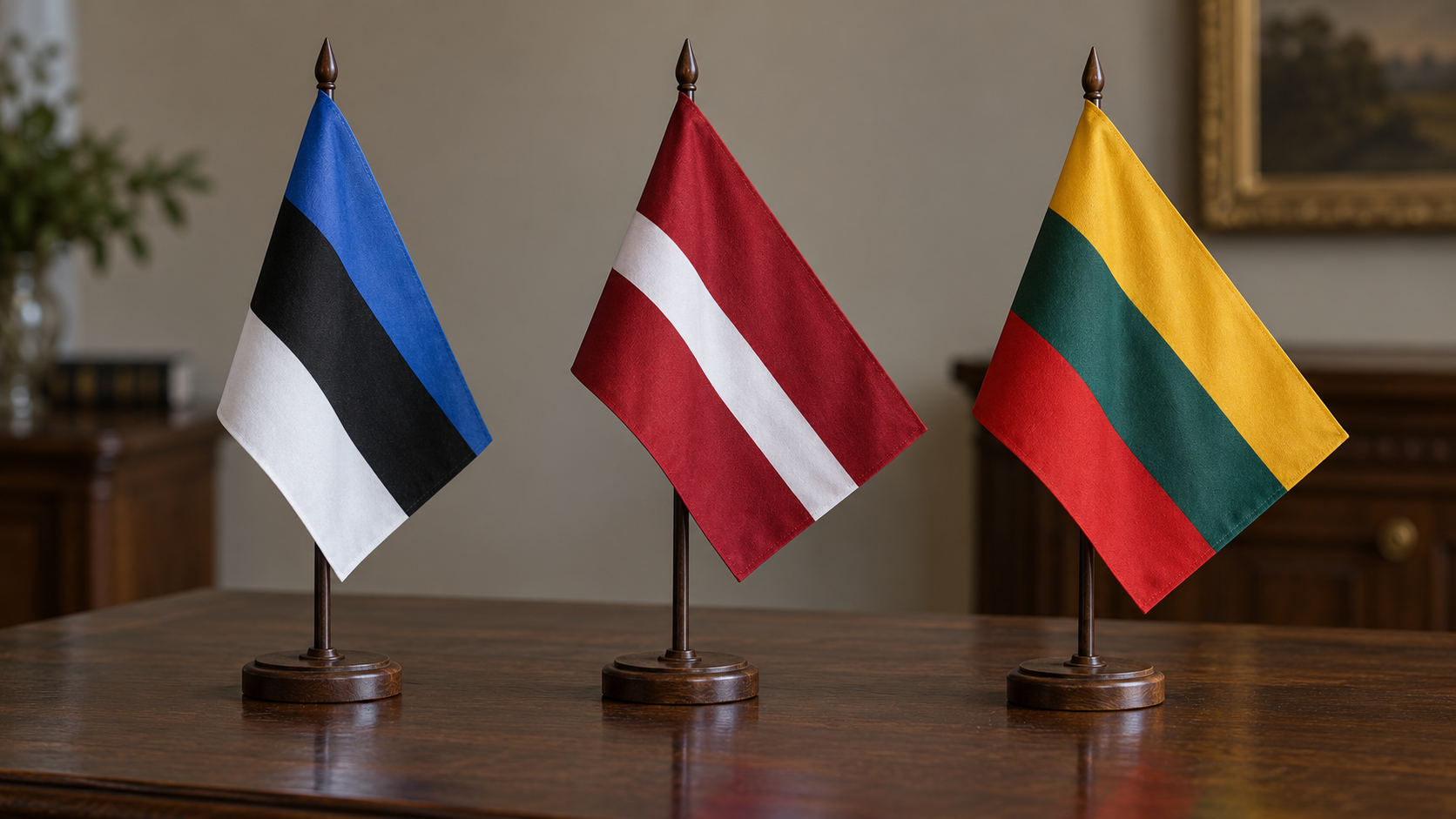
On September 6, 1991, the Soviet Union recognized the independence of Estonia, Latvia and Lithuania, accepting a change that the three Baltic countries had already asserted for themselves. The decision came from the Soviet State Council under President Mikhail Gorbachev after the failed August coup in Moscow. It mattered because the government that had incorporated the Baltic states into the Soviet Union now acknowledged their separate existence. Recognition did not create their independence movements or supply their original claim to sovereignty. It marked the Soviet authorities' acceptance of restored states whose leaders and citizens had challenged decades of outside control.
The Baltic case rested on a particular history. Estonia, Latvia and Lithuania had been independent countries between the world wars before Soviet occupation and annexation in 1940. The United States and several other governments declined to recognize that annexation as lawful. As Soviet political controls loosened in the late 1980s, Baltic movements revived national institutions and demanded restored sovereignty. Lithuania declared the restoration of its independent state in March 1990. Estonia and Latvia followed their own constitutional paths, with decisive restoration measures in August 1991. Their leaders argued that they were recovering states that had been occupied, rather than simply creating new countries from Soviet administrative units.
The attempted coup accelerated the confrontation between those claims and Soviet power. Hardliners tried to remove Gorbachev and reverse the political changes taking place across the union, but the attempt collapsed. Estonia restored independence on August 20, and Latvia ended its transitional constitutional period on August 21. Recognition from foreign governments expanded before the Soviet decision of September 6. Russia's leadership had also taken steps to acknowledge Baltic independence separately. The distinction between Russia and the Soviet Union matters: acceptance by one did not automatically settle the position of the other. The State Council's decision removed the remaining objection at the level of the Soviet central government.
Diplomatic recognition opened a clearer route to international participation, although it could not resolve every practical consequence of Soviet rule. Estonia, Latvia and Lithuania entered the United Nations on September 17, eleven days after the Soviet acknowledgment. Building effective institutions, organizing relations with neighboring governments and addressing the presence of Soviet forces required additional decisions and negotiations. Those tasks belonged to the aftermath rather than to the recognition act itself. September 6 therefore records a specific diplomatic turning point within a much longer struggle. The three countries' domestic acts of restoration, foreign recognition and admission to international organizations were connected stages, each with its own actors, legal significance and date.
The three Baltic countries had existed as independent states before Soviet occupation and annexation in 1940. Their restoration campaigns drew on that earlier statehood and the continuing refusal of several governments to accept the annexation as lawful.
Lithuania restored its independent state in March 1990. Estonia's and Latvia's decisive August 1991 measures preceded the Soviet recognition and should be distinguished from it.
On September 6, 1991, the Soviet State Council acknowledged Estonia, Latvia and Lithuania as independent states. It was a decision by the Soviet central government, distinct from earlier recognition by Russia and other countries.
The decision strengthened their diplomatic position. It did not finish institution building or immediately settle questions concerning Soviet forces and other inherited arrangements.
United Nations admission followed on September 17, 1991. That separate milestone brought the Baltic states into the organization as members in their own right.
The anniversary illustrates the difference between restoring sovereignty at home and securing its acceptance abroad. Recognition confirmed a political transformation already advanced by Baltic institutions and citizens.
Explore more of "On This Day ..."
Discover more events from the same date across news, politics, technology, sports, and other fields. Each link highlights significant moments that shaped history on different fronts.