

On This Day in Politics: September 22, 1980
On September 22, 1980, Iraq launched air attacks and a ground invasion against Iran, opening a war that would last nearly eight years. Iraqi forces under President Saddam Hussein struck Iranian airfields, including Mehrabad in Tehran, while ground troops crossed the frontier. Iran's revolutionary government, led by Ayatollah Ruhollah Khomeini, faced an attack extending beyond the border clashes that had already damaged relations. The offensive transformed a confrontation over territory, regional power, and revolutionary politics into a sustained interstate war. Its consequences reached far beyond the areas Iraqi commanders initially sought to occupy.
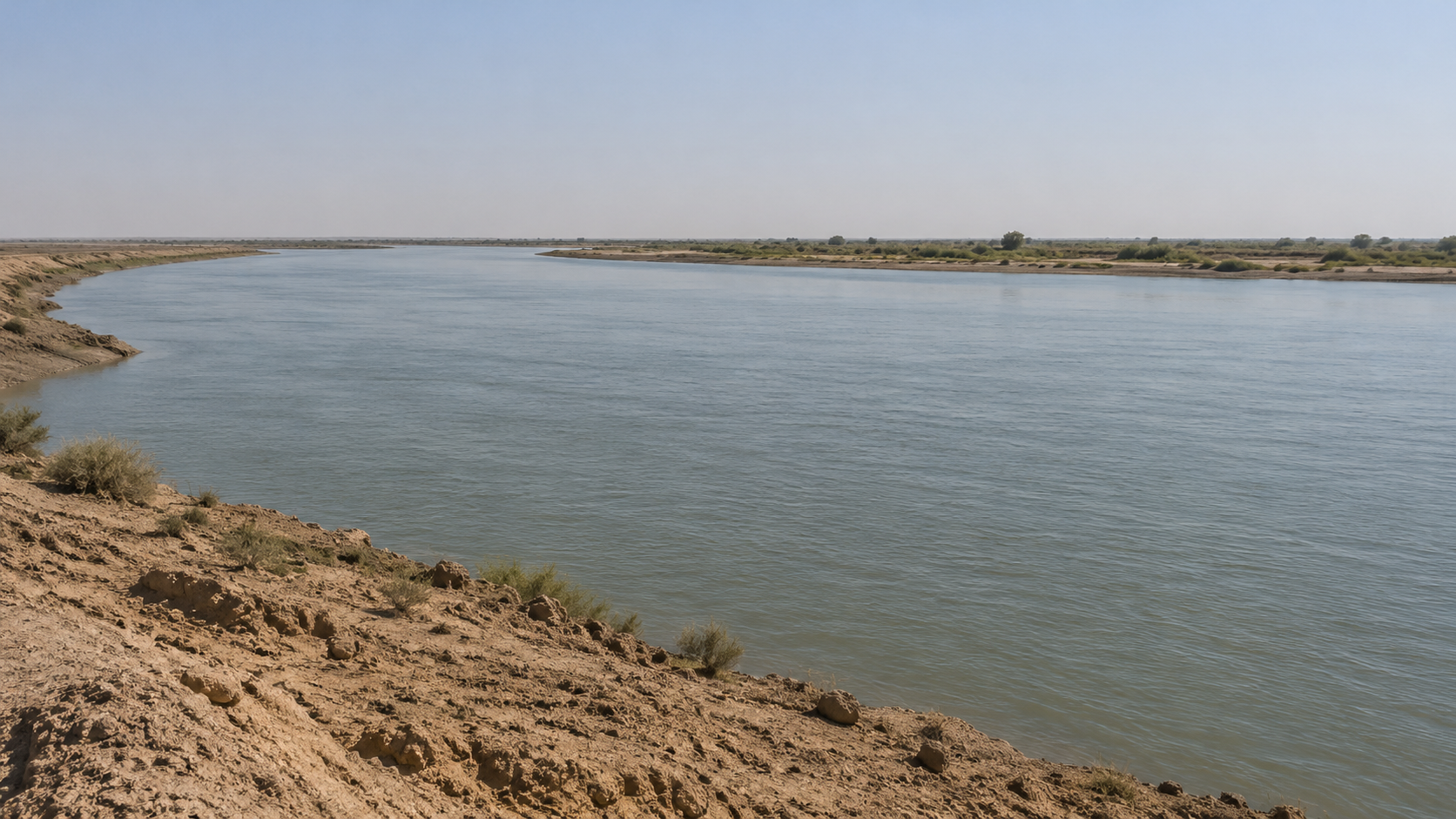
A central dispute concerned the Shatt al-Arab waterway, known in Iran as the Arvand Rud. It provided an important shipping route near the two countries' ports and oil facilities. The 1975 Algiers agreement had addressed the river boundary and other points of contention, but mistrust persisted. Iran's 1979 revolution added a new ideological conflict to the territorial disagreements. Baghdad feared the revolutionary government's influence, while both governments supported hostile political narratives about the other. On September 17, 1980, Saddam repudiated the Algiers settlement. That action preceded the invasion by five days; it was part of the escalating political confrontation, rather than a settlement of the underlying boundary problem.
The September 22 offensive combined air operations with advances on land. Iraqi aircraft attacked Iranian airports in an effort to weaken the opposing air force, while troops moved toward objectives along the frontier, including the oil-producing southwest. The attacks did not produce the quick collapse of Iranian resistance that Iraq needed for a short campaign. Iranian forces continued fighting, and the struggle around cities and transport routes became increasingly difficult. The opening attack therefore mattered both as an immediate military action and as a political gamble. Iraq had chosen force to alter its relationship with its neighbor, but initiating the war did not give Baghdad control over its duration or eventual outcome.
Diplomatic intervention followed without promptly ending the conflict. On September 28, the United Nations Security Council adopted Resolution 479, calling for an end to further force and a peaceful settlement. Fighting nevertheless continued through changing offensives, counteroffensives, and prolonged attrition. Later stages brought attacks on civilian population centers and shipping, as well as the use of chemical weapons, widening the war's humanitarian and international consequences. A United Nations-backed ceasefire finally took effect on August 20, 1988. September 22 marks the invasion that began this extended conflict, not an isolated border incident or the date of its later diplomatic resolution. It remains an example of how unresolved territorial disputes and authoritarian decisions can produce consequences that far exceed an initial campaign.
The Shatt al-Arab linked the border dispute to navigation, ports, and oil infrastructure. Its significance helps explain why a waterway became central to a much broader political confrontation.
The 1975 agreement and the 1979 Iranian revolution belong to the lead-up. Saddam's repudiation of the agreement on September 17 was followed by the full invasion on September 22, 1980.
The offensive included airfield attacks and ground advances. Continued Iranian resistance prevented the opening operation from settling the conflict, leaving both governments committed to a much longer struggle.
Resolution 479 was adopted six days after the invasion. The Security Council's appeal for restraint did not itself establish a ceasefire or resolve the territorial and political issues dividing the governments.
The ceasefire of August 20, 1988, followed years of fighting and diplomacy. Later attacks on shipping and civilians must be distinguished from the events of the first day.
The anniversary links territorial claims to decisions about the use of state power. It also shows the limits of assuming that an opponent's apparent vulnerability will translate into a short or controllable war.
Explore more of "On This Day ..."
Discover more events from the same date across news, politics, technology, sports, and other fields. Each link highlights significant moments that shaped history on different fronts.