

On This Day in Politics: September 23, 1932
On September 23, 1932, the territories ruled by King Abdulaziz bin Abdulrahman Al Saud became the Kingdom of Saudi Arabia. The change brought the existing Kingdom of Hejaz and Najd and its dependencies under a single national name. Riyadh was the capital of the unified state, whose territory joined the Arabian interior to the western holy cities and eastern coast. The date marked the effective proclamation of a political settlement built over decades. It did not describe the conquest of every region in a single day, nor did it mean that administration and state institutions were already complete.
Abdulaziz's rise had begun with the recovery of Riyadh in 1902, a turning point associated with Al-Masmak fortress. Subsequent campaigns, agreements, and pledges of allegiance extended his authority across central and eastern Arabia. Control of al-Ahsa brought access to the Gulf coast. The struggle for the Hejaz in the 1920s added Mecca, Medina, and Jeddah, giving the ruler responsibility for the principal pilgrimage centers as well as the interior. These were distinct regional societies with their own political and economic relationships. The eventual kingdom was consequently the result of a long process of military and political consolidation, rather than simply a new label for the original Riyadh domain.
The royal order establishing the new name took effect on September 23. Abdulaziz became King of Saudi Arabia, replacing the combination of regional titles under which he had previously ruled. The shared designation expressed a single sovereign authority over territories already brought under his control. Islam and Arabic were central to the state's identity, with the Quran and the Prophet's Sunnah forming its governing religious foundation. The proclamation consolidated a monarchy; it did not create an elected national government. Its practical meaning lay in joining previously separate political units within one kingdom and providing a common framework for the institutions that would be developed afterward.
The country established in 1932 differed greatly from the oil-producing state familiar to later generations. Farming, trade, and pilgrimage were important to its economy, while commercial oil discoveries and the resulting transformation came later. Government departments, infrastructure, and public services expanded over time as resources and administrative capacity changed. Those later developments should not be projected backward onto proclamation day. September 23 became the central anniversary of national unification because it identified the kingdom as one political entity under its enduring name. The date remains important for understanding the relationship between territorial consolidation, dynastic rule, and national identity. It marks the completion of a major stage in state formation, while leaving room to recognize the conflicts that preceded it and the further institution-building that followed.
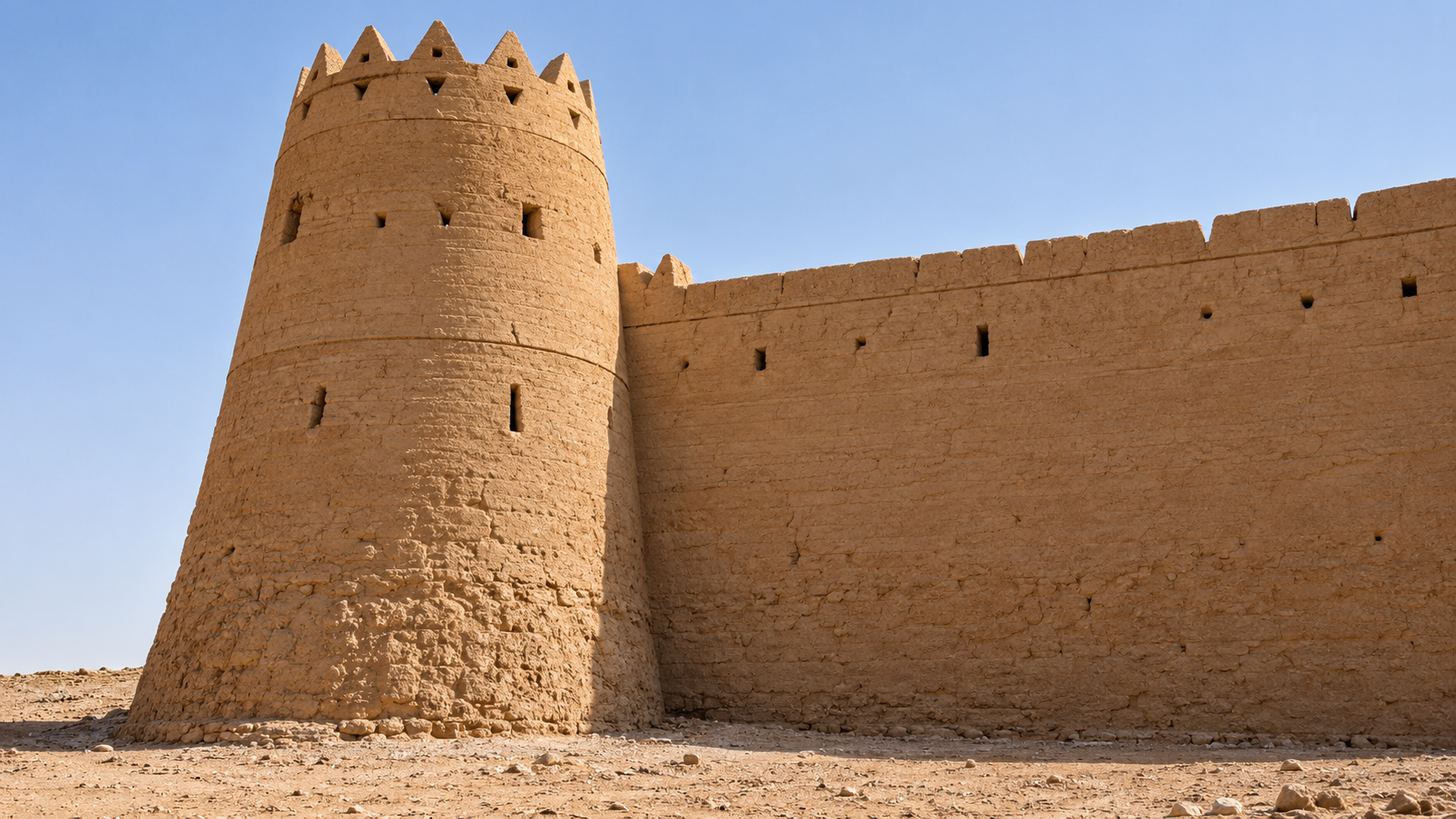
Riyadh's recovery in 1902 and the unification effective in 1932 are separate milestones. Al-Masmak is connected to the earlier event and illustrates the longer founding history, rather than the proclamation itself.
Najd, the Hejaz, and the eastern territories brought different centers of authority and commerce into the new state. Their incorporation explains why unification involved political integration as well as territorial expansion.
The new national name replaced the combination of regional kingdoms and dependencies. Abdulaziz's title changed accordingly, expressing rule over one kingdom rather than several named territorial components.
The proclamation consolidated monarchical authority. It should not be presented as a popular election, an independence ceremony from a single colonial administrator, or the creation of fully developed modern ministries overnight.
Commercial oil development belongs to the later history of the kingdom. Its economic impact helped transform state capacity, but the proclamation preceded the oil wealth associated with modern Saudi Arabia.
National Day commemorates the common political identity established under the Saudi name. The anniversary can be understood alongside, while remaining distinct from, earlier Saudi states and the recovery of Riyadh.
Explore more of "On This Day ..."
Discover more events from the same date across news, politics, technology, sports, and other fields. Each link highlights significant moments that shaped history on different fronts.