

On This Day in Politics: October 8, 2001
On October 8, 2001, President George W. Bush signed Executive Order 13228, establishing the Office of Homeland Security within the Executive Office of the President in Washington. Former Pennsylvania governor Tom Ridge became the presidential assistant responsible for leading it and was sworn in at the White House that day. The office was created less than a month after the September 11 attacks, when coordination among intelligence, law enforcement and emergency-response institutions had become an urgent national question. Its immediate purpose was to organize a common strategy across existing bodies. It was not yet the Cabinet-level Department of Homeland Security that would emerge through later legislation.
The executive order reflected the fact that domestic protection depended on many institutions rather than one federal chain of command. Departments and agencies held different responsibilities for information, borders, transport, infrastructure and emergency response. State and local governments, hospitals and private organizations also possessed capabilities that Washington could not simply replace. The new office was directed to develop and coordinate a comprehensive national strategy covering prevention, preparation, protection, response and recovery. Its work included reviewing plans, identifying priorities and encouraging the exchange of information. Establishing a coordinating office recognized a structural problem: separate organizations could each perform their own tasks while important connections between them remained weak.
Bush introduced Ridge's mission at a ceremony in the White House East Room. The order also created a Homeland Security Council, bringing senior officials together to advise the president and support the coordination effort. The office's proximity to the president offered political authority, but it did not automatically erase existing laws, departmental responsibilities or limits on available resources. Much depended on cooperation and on whether shared priorities could influence the decisions of established agencies. The distinction matters when judging what actually changed on October 8. A presidential office could promote a national strategy and review preparedness; creating it was not the same as merging all relevant personnel, budgets and operational powers into a single new department.
The institutional response continued after the office began work. Congress enacted the Homeland Security Act in 2002, and the new department brought together components from multiple federal organizations in 2003. Those later developments were much larger administrative changes and should not be assigned to the October 2001 executive order. The office's founding nevertheless marked an early attempt to place domestic security coordination near the center of presidential decision-making after the attacks. It also raised a lasting question about public administration: how to align institutions with different missions while preserving clear responsibility for their actions. The anniversary identifies the creation of that coordinating office, with both the urgency that drove it and the practical limits of coordination alone.
Bush had announced plans for a homeland security office before October 8. The executive order and Ridge's swearing-in supplied the formal institutional step marked by this date.
The office was located within the Executive Office of the President. It relied on working with existing departments and with authorities outside federal government.
Executive Order 13228 also established a Homeland Security Council. An advisory council and a coordinating office were related mechanisms with different roles.
Presidential backing did not abolish statutory responsibilities or create unlimited funding. Coordination required agencies to act together within their existing legal arrangements.
The later Homeland Security Act and departmental reorganization belonged to 2002–2003. They should not be confused with the office established in 2001.
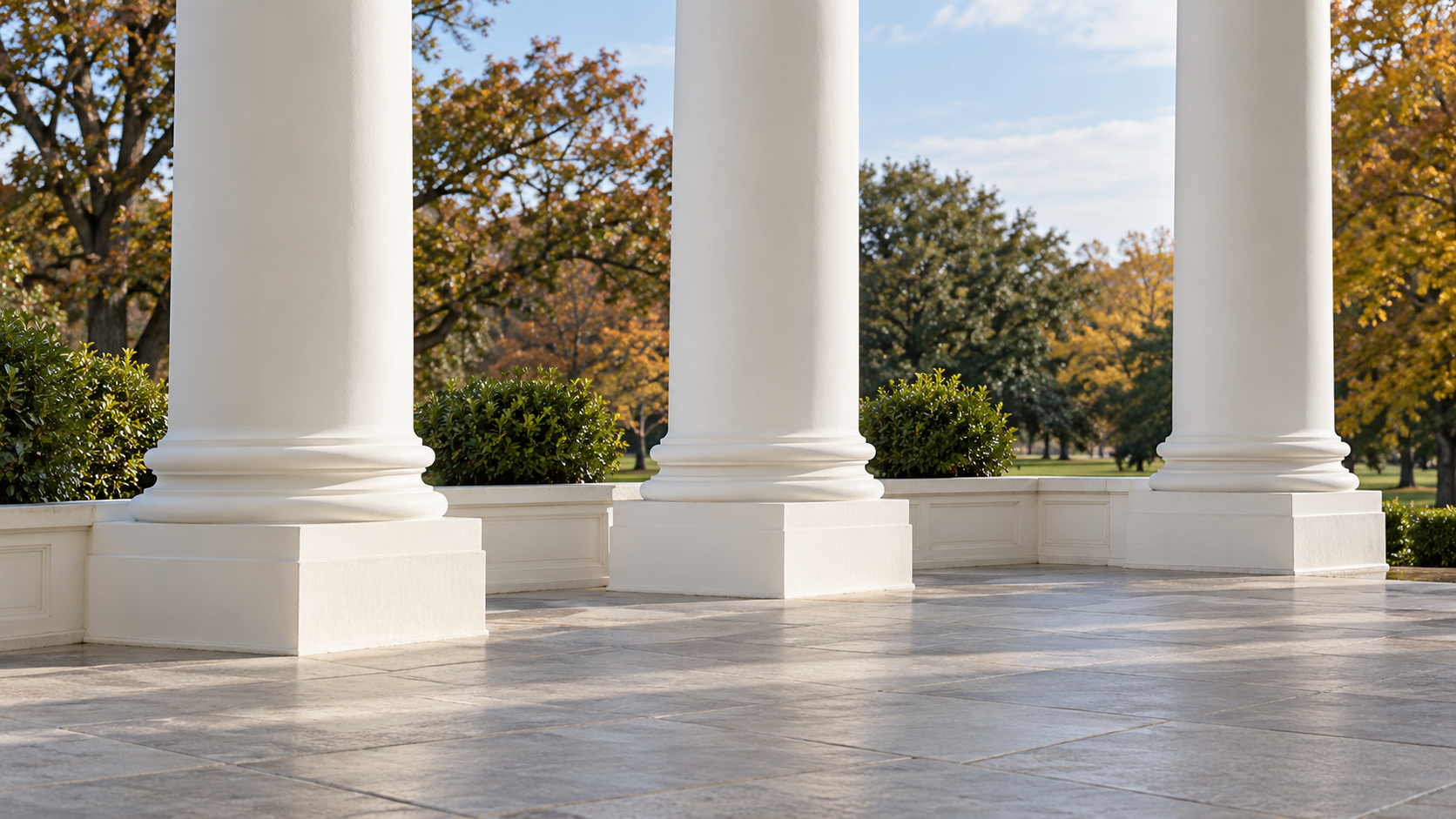
The architectural image shows an institutional White House setting. Ridge's actual swearing-in took place in the East Room, not the portico depicted.
Explore more of "On This Day ..."
Discover more events from the same date across news, politics, technology, sports, and other fields. Each link highlights significant moments that shaped history on different fronts.