

On This Day in Politics: October 12, 1968
On October 12, 1968, Equatorial Guinea became independent from Spain. The transfer brought a new sovereign state into existence after a constitutional process and elections that selected Francisco Macías Nguema as president. At the ceremony, Spanish representative Manuel Fraga participated in the handover to the new authorities. The change ended colonial government, but it also placed immediate responsibilities on national institutions that had to govern a geographically divided territory. Independence supplied a new source of political authority and international identity. It did not by itself settle how competing groups would share power or how the state's administration would function.
The transition followed years of pressure for self-government and a changing international attitude toward colonial rule. Spain had granted a form of autonomy before independence, and constitutional negotiations subsequently addressed the territory's future. A constitution was approved by referendum, followed by general elections. These were distinct stages leading to the transfer rather than events all held on October 12. The country included a mainland territory and islands in the Gulf of Guinea, with different communities and administrative experiences. Bringing them under independent national institutions therefore involved more than replacing one flag with another. The new government inherited both the structures and the inequalities of the colonial period.
The Spanish decree establishing the transfer was dated October 9 and published on October 11. Its operative provision set independence for noon on October 12, when authority was to pass to the elected president. This distinction between the document's date and the effective date explains why the anniversary belongs on October 12. International recognition and diplomatic representation then developed through further decisions. The United States' historical record identifies the same independence date, while placing its recognition and the establishment of diplomatic relations later. Sovereignty, recognition by a particular foreign government and the opening of an embassy were related milestones, but they were not identical actions occurring simultaneously.
The promise of elected institutions soon faced grave reversals. Macías concentrated power, suppressed political competition and presided over a violent dictatorship. Those developments qualify any account that treats independence as the automatic achievement of lasting democratic freedom. They do not erase the significance of ending colonial rule or make the later outcome inevitable on the day authority changed hands. The anniversary is best understood as the beginning of independent statehood, with the responsibilities and conflicts that followed. October 12 marks a documented transfer of governing authority. The country's subsequent history demonstrates why national sovereignty and political liberty must be assessed as connected but separate questions.
Autonomy preceded independence. The earlier arrangement left Spanish sovereignty in place, while the October transfer established a separate state.
A referendum and elections prepared the new institutions. They were steps before the independence ceremony rather than additional elections held that day.
The decree was signed on October 9 and published on October 11. Its effective provision specified noon on October 12 for the transfer of authority.
International recognition and diplomatic relations followed their own timetables. The American historical record distinguishes those later steps from the independence date.
The later dictatorship shows the limits of equating sovereignty with democracy. The end of colonial rule did not guarantee durable political rights.
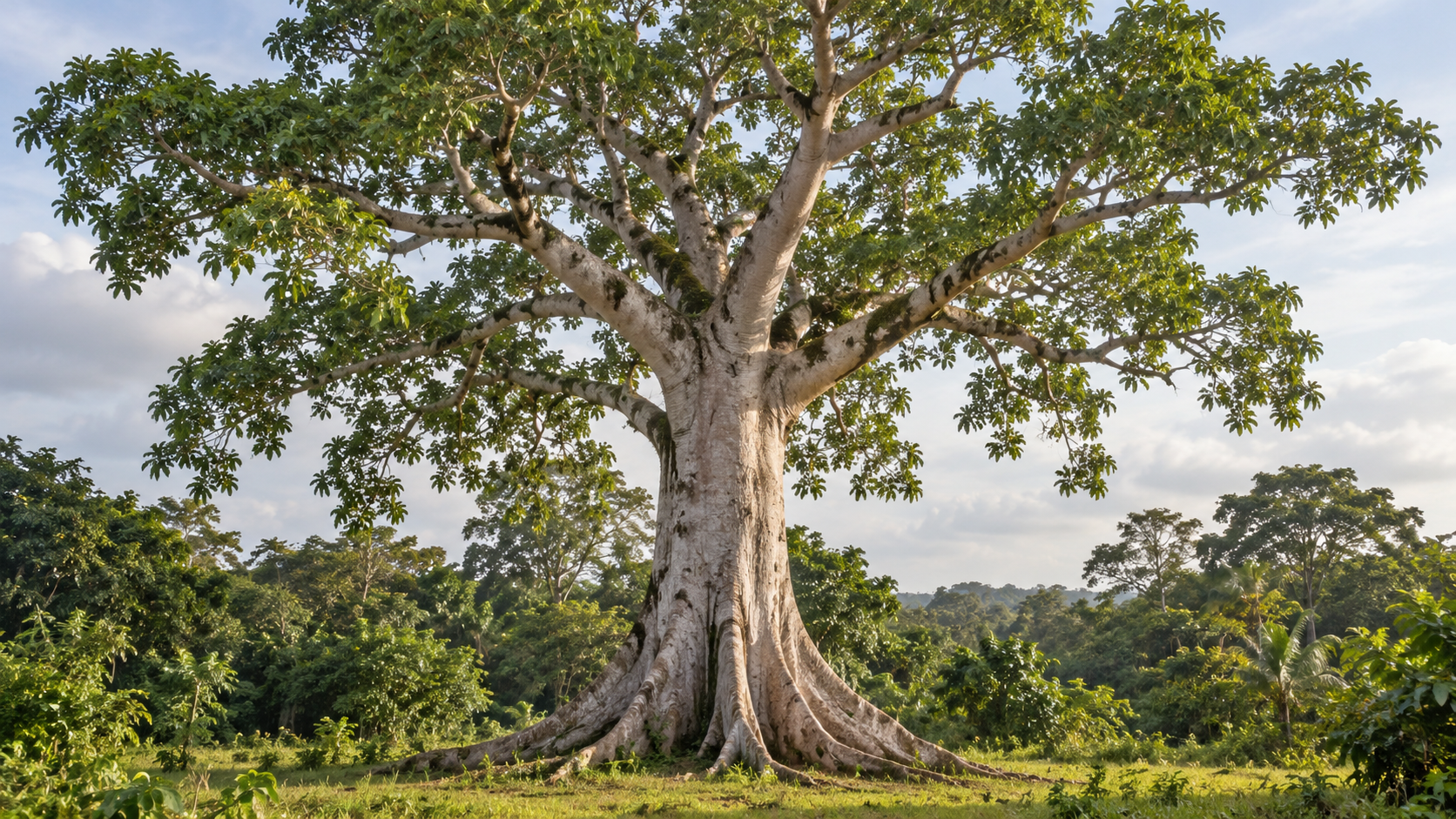
The silk-cotton tree illustrates a feature of the national arms. It represents a botanical symbol, not an identified tree at the independence ceremony.
Explore more of "On This Day ..."
Discover more events from the same date across news, politics, technology, sports, and other fields. Each link highlights significant moments that shaped history on different fronts.