

On This Day in Politics: November 13, 1956
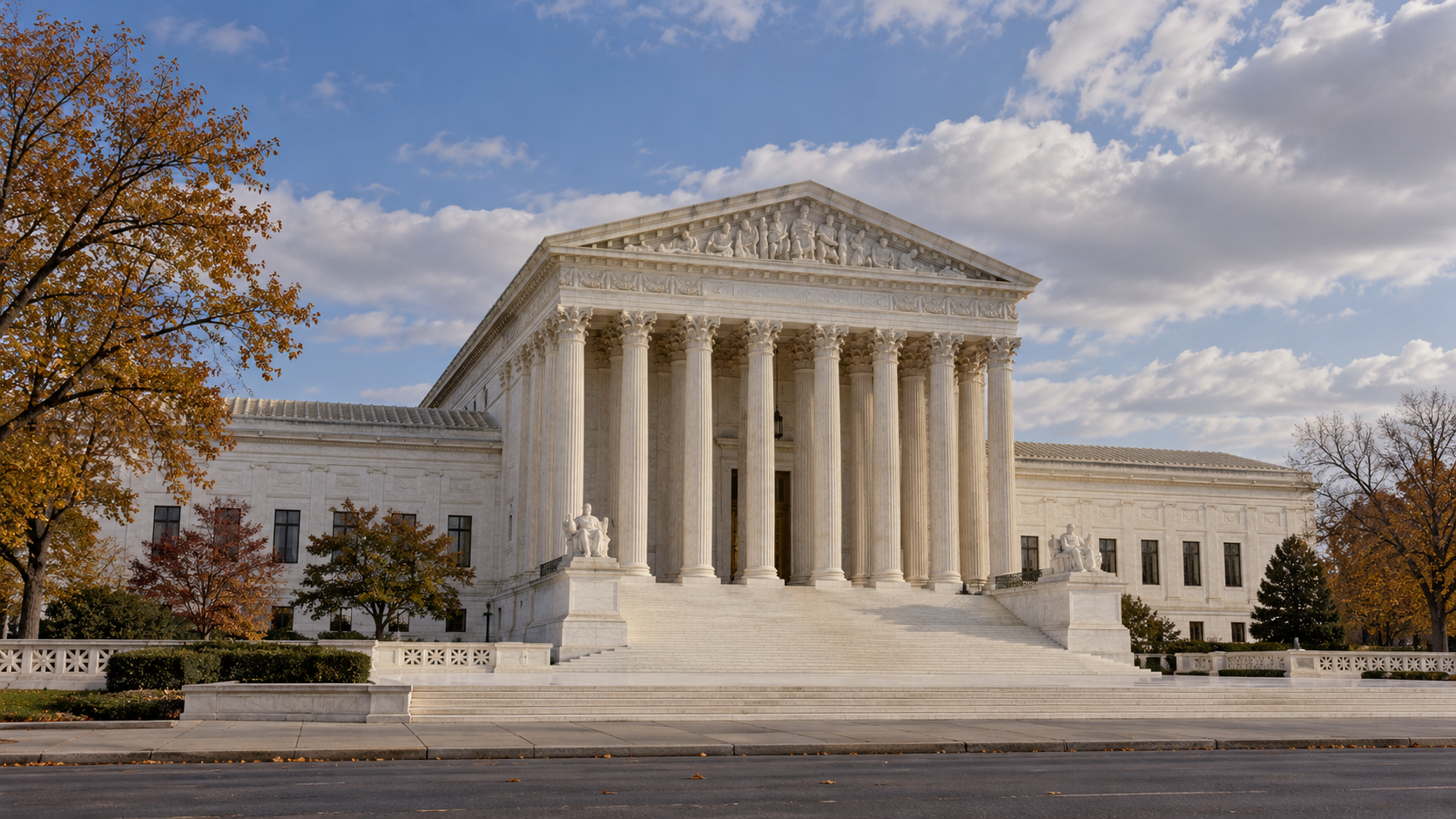
On November 13, 1956, the United States Supreme Court affirmed a federal court ruling that Alabama's and Montgomery's bus-segregation laws violated the Constitution. The case, Browder v. Gayle in the lower court and Gayle v. Browder on appeal, arose from the same system challenged by the Montgomery bus boycott. The Supreme Court's action in Washington gave the campaign a decisive legal victory. It did not mean that Montgomery's buses became integrated that afternoon. Further legal steps and delivery of the court order were still required before the boycott ended and regular integrated service began in December.
The litigation centered on women who had experienced the segregated bus system, including Aurelia Browder, Claudette Colvin, Susie McDonald and Mary Louise Smith. Lawyers Fred Gray and Charles Langford brought the federal challenge in February 1956. Rosa Parks's arrest had helped trigger the boycott, but her criminal case was distinct from this civil action. That distinction matters because the legal route to ending segregation did not rest on one person's prosecution alone. The plaintiffs challenged the laws themselves, arguing that enforced racial separation denied equal protection. Their action proceeded alongside the sustained collective effort of residents who avoided the buses and organized alternative transportation.
A three-judge federal district court ruled against the segregation requirements in June 1956. State and city officials appealed, seeking to preserve the system. The Supreme Court's November action affirmed the judgment through a short order rather than issuing a new extended opinion on the merits. The result upheld the lower court's constitutional conclusion and weakened the authorities' effort to maintain legally enforced separation. Litigation continued through a request for reconsideration, and the order took effect locally only later. The sequence demonstrates the difference between a favorable appellate decision and the practical process of implementing that decision in a city where resistance remained strong.
On December 20, after the order reached Montgomery, the Montgomery Improvement Association voted to end the boycott. Integrated bus rides followed the next day. The victory did not eliminate racial hostility, threats or the broader system of discrimination. It did show how sustained community action and a carefully constructed legal challenge could reinforce one another. The boycott kept public pressure on the segregation system, while the plaintiffs' case secured a constitutional judgment against the laws that supported it. Remembering November 13 restores attention to those plaintiffs and the appellate decision without confusing it with the later end of the boycott. The event belongs to the history of citizenship and public power because it restricted government's ability to organize an essential public service through compulsory racial exclusion.
The federal civil case was separate from Rosa Parks's criminal prosecution. Its plaintiffs directly challenged the laws requiring segregated bus seating.
Community organizing and litigation operated together. The boycott sustained pressure while lawyers pursued a constitutional remedy.
The Supreme Court affirmed the lower judgment in November. Delivery and enforcement of the order followed additional legal proceedings.
The boycott ended in December, and integrated rides followed. Those practical changes should not be dated to the November appellate action.
Aurelia Browder, Claudette Colvin, Susie McDonald and Mary Louise Smith were central plaintiffs. Their role is essential to understanding the legal victory.
The ruling addressed compulsory segregation on buses. It did not by itself dismantle every discriminatory institution or remove the danger faced by civil rights campaigners.
Explore more of "On This Day ..."
Discover more events from the same date across news, politics, technology, sports, and other fields. Each link highlights significant moments that shaped history on different fronts.