

On This Day in Politics: November 21, 1922
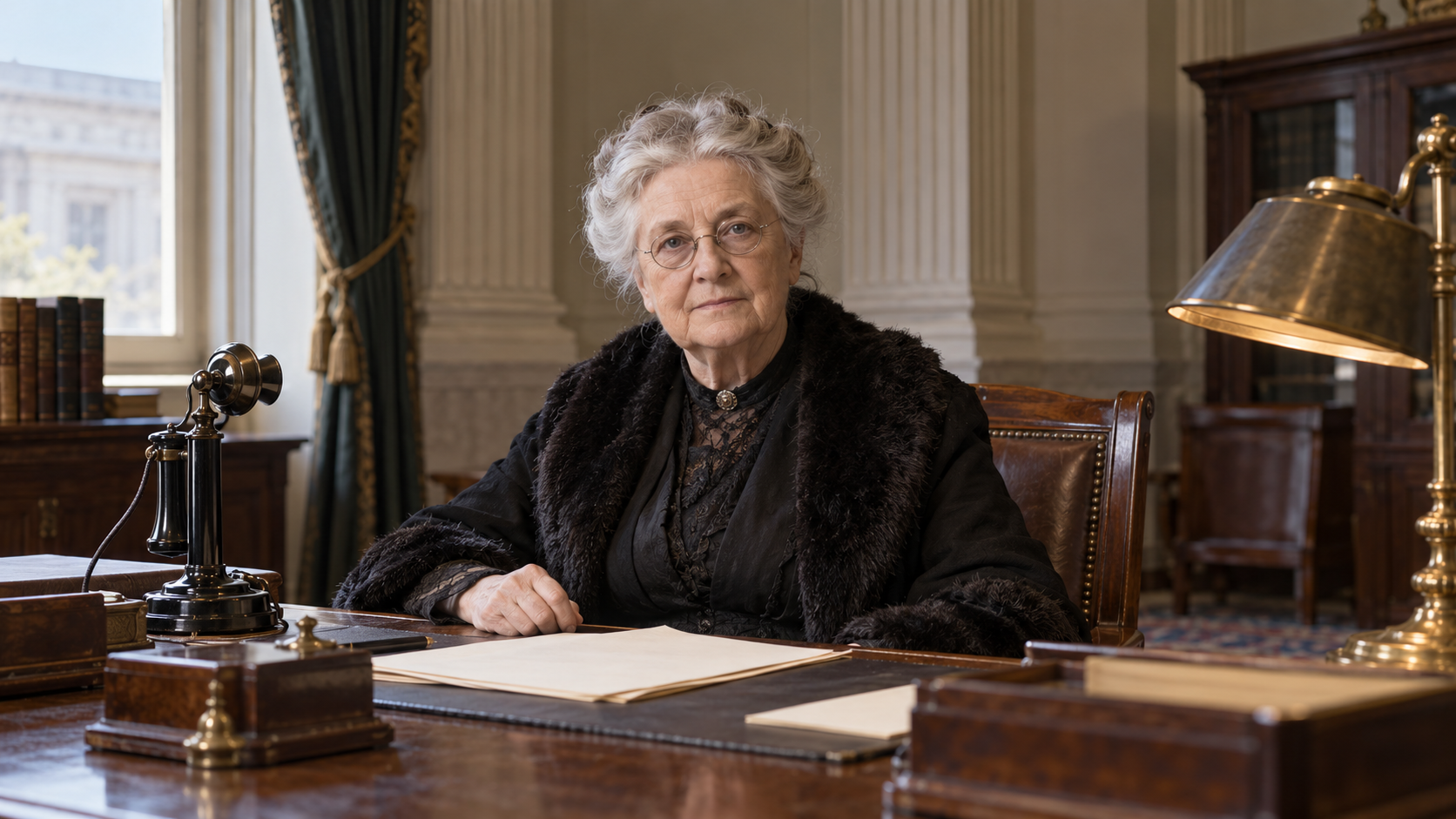
On November 21, 1922, Rebecca Latimer Felton of Georgia took the oath of office in the United States Senate, becoming the first woman to do so. Vice President Calvin Coolidge administered the oath after the Senate accepted her credentials. Felton was eighty-seven and had been appointed to a vacancy weeks earlier. Her time in a sitting Senate lasted only about a day, but her admission broke a barrier in an institution that had previously been entirely male. The anniversary concerns her swearing-in, rather than the date of her appointment or an election in which she personally won the seat.
Governor Thomas Hardwick had appointed Felton on October 3 after Senator Thomas Watson died. Hardwick hoped to succeed Watson himself and sought support from women voters following ratification of the Nineteenth Amendment. Felton was a prominent writer and political activist whose appointment initially appeared largely symbolic because the Senate was not in session. Hardwick lost the Democratic primary, and Walter George won the special election. A subsequently called Senate session nevertheless created an opportunity for Felton to be seated before her elected successor presented his credentials. Her supporters pressed for that opportunity, and George agreed not to stand in the way of her brief service.
The Senate had to decide whether she was entitled to take the oath under those circumstances. After discussion of the relevant law and precedents, it accepted her credentials without objection. She answered a roll call and delivered a speech during her short period on the floor before relinquishing the seat to George on November 22. The institutional distinction was important: she participated as a senator, rather than appearing only as an honored visitor. At the same time, her appointment was no substitute for women gaining seats through sustained electoral organization. The first woman's admission and the later development of a substantial female presence in the Senate were different stages of political change.
Felton's record also requires a clear account of its exclusions. Her advocacy for white women's political rights coexisted with white supremacist beliefs and public support for lynching. Recognizing her institutional first should not turn that history into a general claim that she advanced equal citizenship for everyone. Her life exposes the racial limits within parts of the suffrage movement and the political system that selected her. November 21 remains a milestone in women's entry to the Senate, while its meaning is best understood alongside those contradictions. The event opened an institutional door without resolving the unequal access to political power that continued beyond her brief tenure.
Felton was appointed on October 3. November 21 was the day she took the oath in the Senate.
Hardwick's appointment occurred during a vacancy and a political contest over the succession. Felton did not win the special election.
George agreed to delay presenting his credentials. That helped make her brief seating possible.
The Senate accepted her as a member entitled to participate. Her floor service lasted about twenty-four hours.
Her advocacy for white women's rights coexisted with white supremacy and support for lynching. The milestone does not erase those positions.
Later women senators built careers through appointment and election. Felton's institutional first was the beginning of that history, not its completion.
Explore more of "On This Day ..."
Discover more events from the same date across news, politics, technology, sports, and other fields. Each link highlights significant moments that shaped history on different fronts.