

On This Day in Politics: November 28, 1960
On November 28, 1960, Mauritania became independent from France, establishing the Islamic Republic of Mauritania as a sovereign state. Moktar Ould Daddah, the head of government who had led the transition, proclaimed independence as the country entered a new phase of political responsibility. Ceremonies in Nouakchott marked the end of colonial authority. The date belongs to the wider African wave of decolonization in 1960, but Mauritania's circumstances were distinctive. Its leaders had to build national institutions across a large territory while managing limited resources, diverse communities and challenges to the new country's international acceptance. Independence began that work rather than completing it.
French colonial administration had linked Mauritania to the structures of French West Africa. Reforms in the 1950s expanded local political participation and government, and the territory became an autonomous republic within the French Community in 1958. The move to full independence followed negotiations over the remaining relationship with France. Nouakchott was being developed as a national capital, making the creation of state institutions a practical as well as a constitutional undertaking. The transition required offices, administration, communications and relationships among regional interests. It did not simply substitute a new flag for a fully established national government operating under settled conditions across the entire country.
Ould Daddah's leadership connected the autonomous government's work with the sovereign state's beginnings. The proclamation transferred ultimate governmental responsibility, but building domestic agreement and obtaining broad diplomatic recognition remained demanding tasks. Morocco's territorial claims complicated the republic's international position. Other governments nevertheless established relations with the independent state, including the United States, which recognized Mauritania on the anniversary. Recognition by an individual government and admission to an international organization were separate processes. Those distinctions help explain why a country could be independent in November 1960 while still facing diplomatic obstacles that would continue after the ceremonies had ended.
Mauritania joined the United Nations in October 1961, and Ould Daddah became president under the independent republic's developing constitutional arrangements. His later consolidation of one-party rule and eventual overthrow in 1978 belong to subsequent chapters of the state's history. They should not be treated as decisions completed on independence day. November 28 remains significant because it marks the end of formal colonial dependence and the beginning of responsibility for a sovereign national political order. The anniversary also demonstrates that decolonization can leave urgent questions about institutions, representation and external recognition. Legal independence creates the authority to govern, while the legitimacy and effectiveness of that government must still be built through political choices.
Mauritania became an autonomous republic within the French Community in 1958. Full independence followed in 1960.
Nouakchott was being developed as the capital. State-building involved practical administrative work alongside constitutional decisions.
Ould Daddah led the government at independence. His presidency developed under later constitutional arrangements.
Moroccan claims complicated international acceptance. Independence and universal diplomatic recognition were not identical achievements.
United Nations membership followed in October 1961. It should not be dated to the independence ceremony.
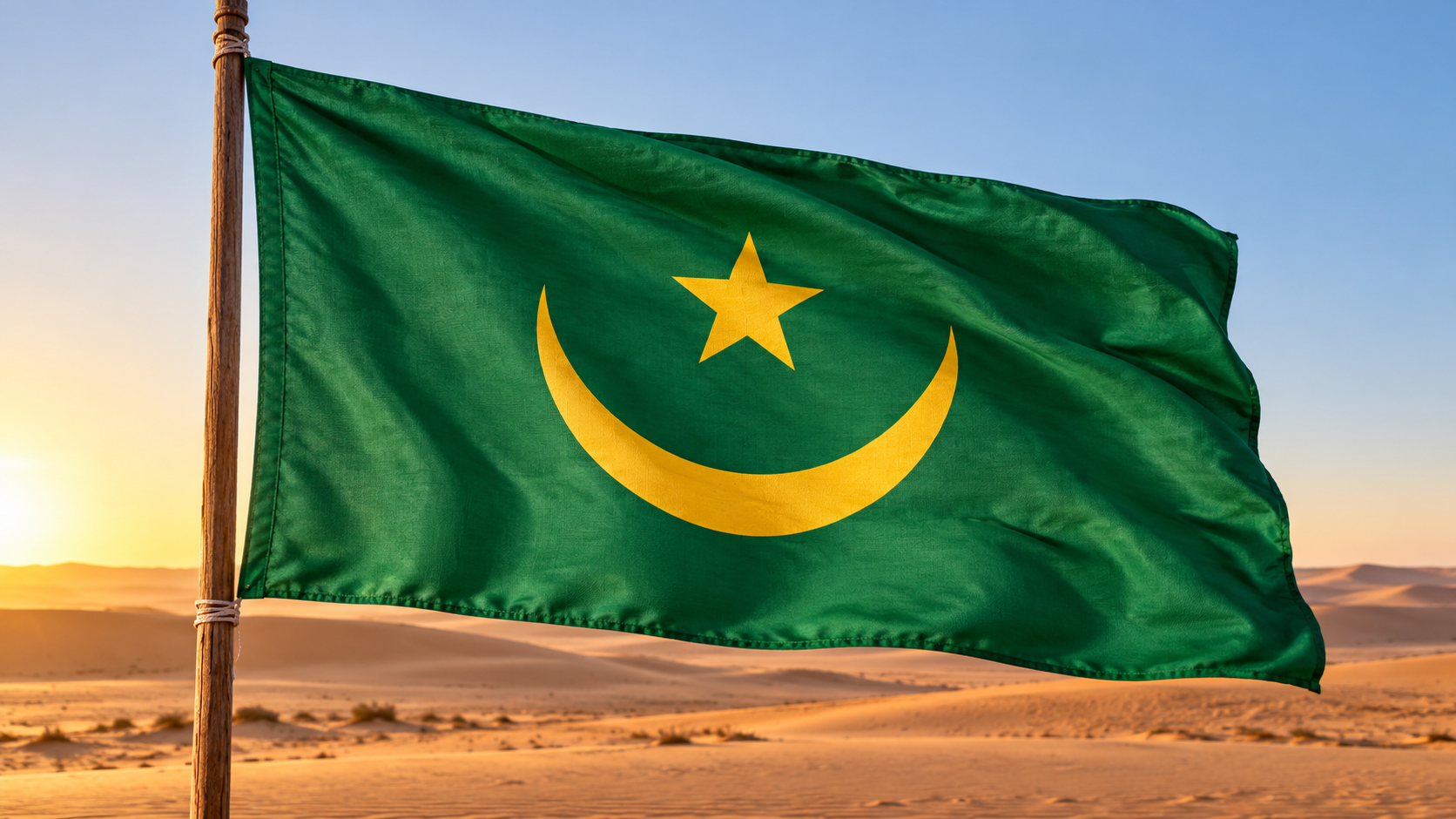
The period flag was green with a gold crescent and star. Its red border bands were added decades later and do not belong in a 1960 illustration.
Explore more of "On This Day ..."
Discover more events from the same date across news, politics, technology, sports, and other fields. Each link highlights significant moments that shaped history on different fronts.