

On This Day in Politics: November 29, 1830
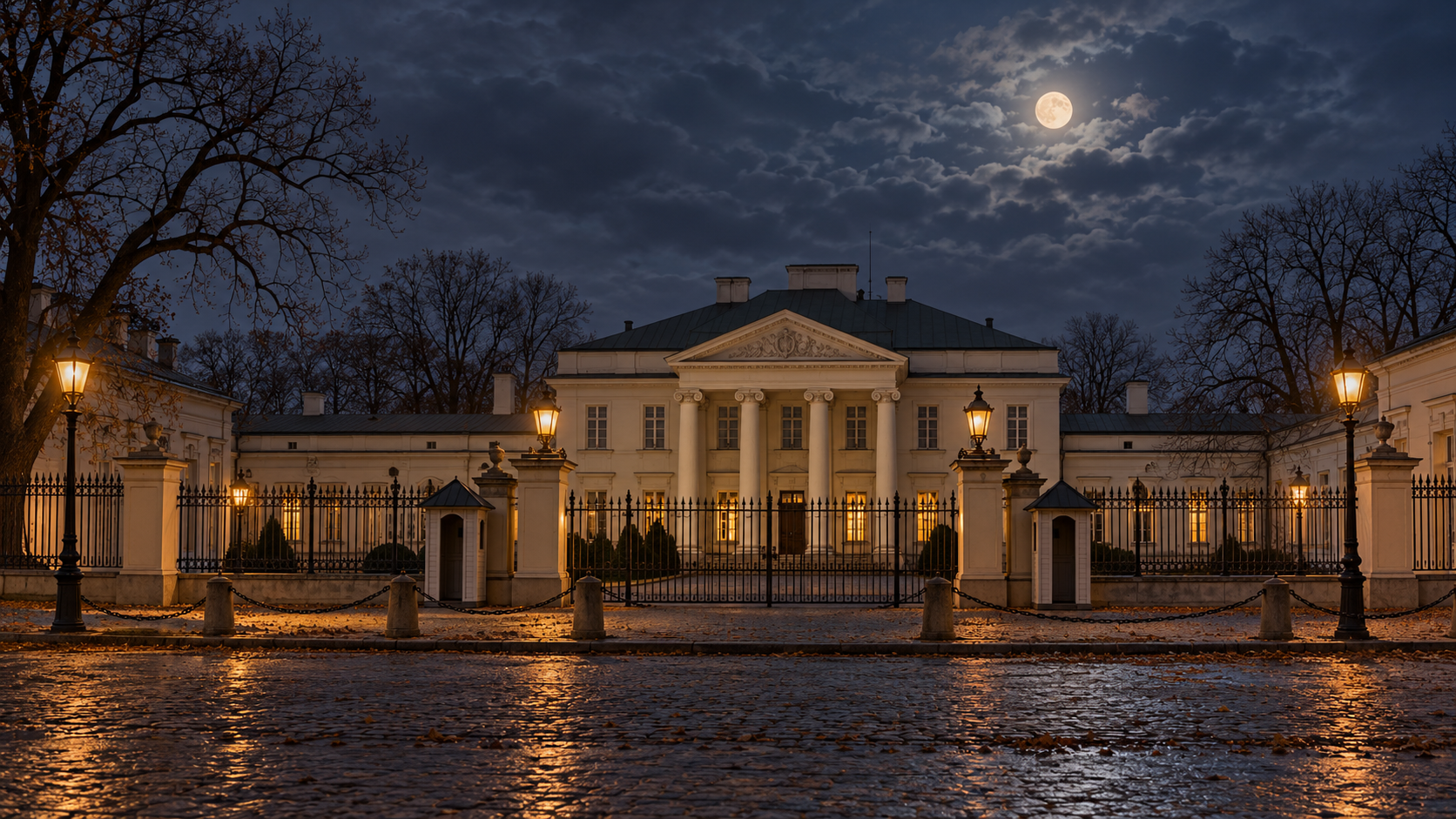
On the night of November 29, 1830, Polish military conspirators and their allies began an uprising in Warsaw against Russian rule. The revolt opened with action by officer cadets associated with Piotr Wysocki and an attack on Belweder Palace, the residence of Grand Duke Constantine. The attackers failed to capture Constantine, but the confrontation spread into the city as insurgents gained weapons and support. The event became the beginning of the November Uprising, a conflict that continued into the following year. The anniversary marks its outbreak, rather than a successful restoration of Polish independence or a completed decision by every national political institution.
The Kingdom of Poland had been established after the Napoleonic wars under a constitutional arrangement linked to the Russian emperor, who also held the Polish crown. It retained institutions of its own, including an army, but growing restrictions and violations of constitutional expectations fueled opposition. Secret organizing developed among younger officers and others dissatisfied with imperial authority. Revolutions elsewhere in Europe during 1830 added to the atmosphere of political possibility and anxiety. The conspirators acted within that wider setting, though their immediate operation depended on local networks and military access. Their decision did not begin with a unified public leadership or a fully agreed program for the political order that would follow.
The opening night's violence created a crisis for both imperial authorities and Polish officials who had not committed themselves to rebellion. The attempt at Belweder was only one part of the action. Fighting and popular participation elsewhere in Warsaw helped the insurgents obtain arms and establish a stronger position. Constantine withdrew with forces loyal to him rather than being seized at the palace. In the days that followed, political leaders debated negotiation, authority and the aims of the movement. These stages explain why the outbreak should not be described as a single coordinated declaration of national government. An initially conspiratorial operation became a much broader conflict whose direction remained contested.
The Polish parliament later dethroned the Russian emperor as king of Poland in January 1831, and the struggle developed into war against imperial forces. Russian victory brought repression and restrictions on the kingdom's remaining autonomy, while many participants went into exile. Those later developments belong to the uprising's consequences, rather than its first evening. November 29 remains significant as a major act of resistance to imperial domination and a powerful reference point in Polish political memory. It also illustrates the gap between initiating a revolt and securing the military, diplomatic and institutional conditions needed for independence. The opening action changed the political situation dramatically without guaranteeing the outcome sought by those who launched it.
The Kingdom of Poland retained institutions under the Russian emperor. Restrictions on its constitutional arrangements fueled opposition.
Secret organizing among cadets preceded the outbreak. Wysocki was a central figure in that conspiracy.
The attack on Belweder did not capture Constantine. The revolt nevertheless spread through Warsaw.
Popular participation and access to the arsenal widened the movement. Its political direction was debated after the first night.
The parliament's dethronement decision came in January 1831. It should not be dated to November 29.
Russian victory and subsequent repression followed later. The anniversary commemorates the outbreak without implying a successful independence settlement.
Explore more of "On This Day ..."
Discover more events from the same date across news, politics, technology, sports, and other fields. Each link highlights significant moments that shaped history on different fronts.