

On This Day in Politics: December 1, 1918
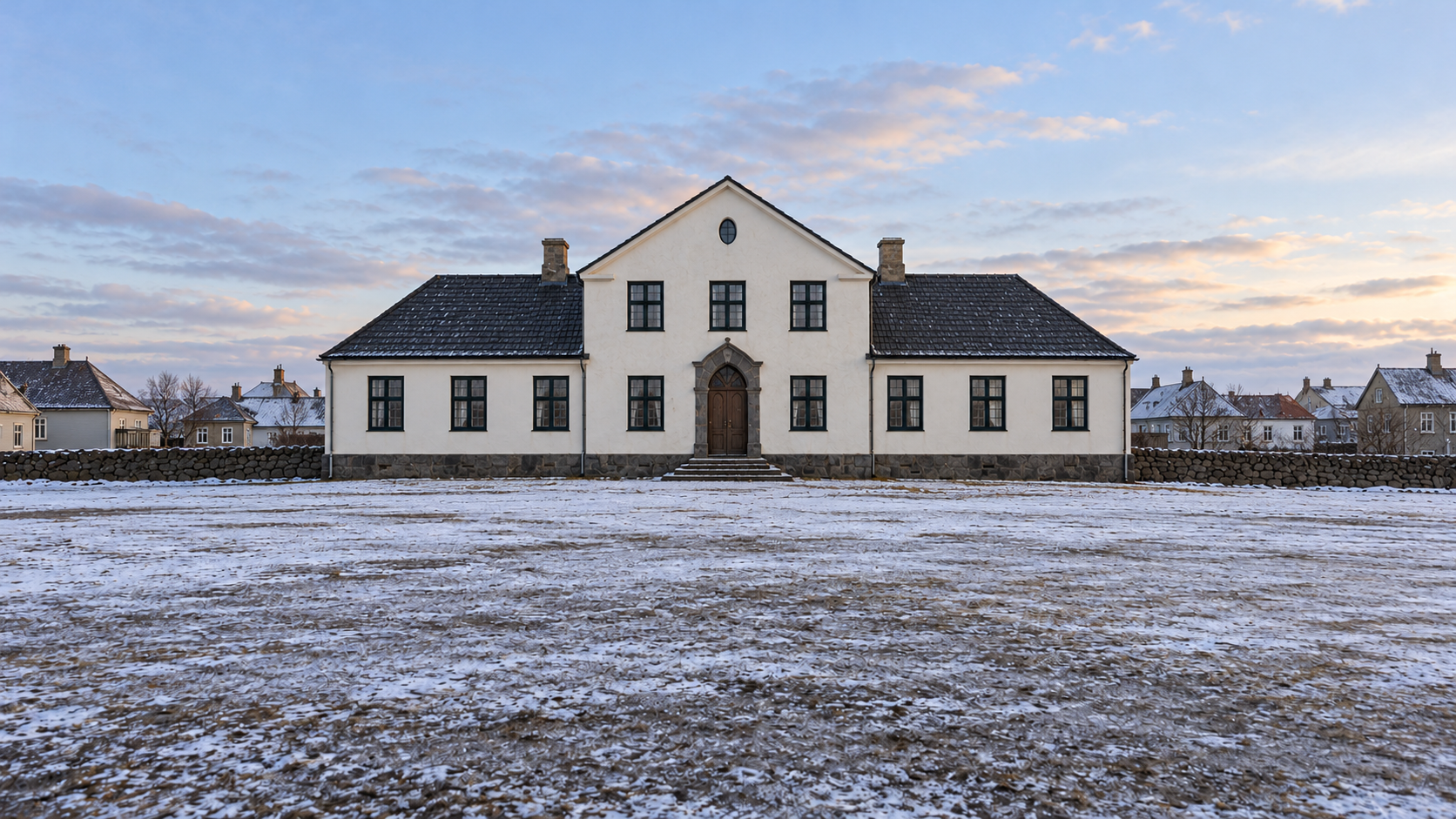
On December 1, 1918, Iceland became a sovereign state under an agreement with Denmark, marking a decisive change in the island's constitutional position. In Reykjavík, a flag ceremony outside Government House gave public expression to the new status. Icelandic and Danish negotiators had agreed that their countries would be free and sovereign states joined through a common king, Christian X. Iceland therefore became a kingdom with its own sovereignty while retaining a personal union with Denmark. The occasion belonged to a long campaign for greater control over Icelandic affairs, but it did not establish the republic that Icelanders would proclaim a generation later.
The settlement grew from decades of constitutional negotiation rather than a sudden break. Iceland had received a constitution in 1874 and home rule in 1904, expanding the role of its parliament and government. Yet the relationship with Denmark continued to leave the question of sovereignty unresolved. During the summer of 1918, representatives of the two countries negotiated a new arrangement in Reykjavík. Their work produced a proposed Act of Union, which went through parliamentary consideration and an Icelandic referendum before taking effect. These stages mattered because the resulting relationship rested on an agreed legal framework, giving the change a different character from an independence declaration made in defiance of the other government.
The agreement's central achievement was recognition of Iceland as a state in its own right. A common monarch remained, and Denmark continued to handle Iceland's foreign affairs on its behalf under the arrangement. Sovereignty consequently did not mean that every practical connection between the countries disappeared on December 1. Instead, the settlement distinguished Iceland's authority as a state from the services and institutions the partners still shared. The Icelandic state flag was raised at Government House at noon. Contemporary photographs show people assembled around the building, while later commemorations have remembered the ceremony as a visible statement of national standing. The negotiated settlement avoided the bloodshed that accompanied some other struggles over statehood.
Iceland's subsequent history also shows why the anniversary requires careful wording. The country remained linked to the Danish crown until 1944, when the Republic of Iceland was established. That later transition took place during the Second World War and was a separate constitutional event. December 1, 1918, nevertheless supplied the essential recognition on which the country's later independent institutions developed. Its significance lies in the successful negotiation of a new relationship between two unequal partners, with sovereignty placed at its center. Remembering the date as the beginning of sovereign kingdom status preserves both the scale of the achievement and the limits of what changed that day.
Home rule and sovereignty answer different questions. Greater domestic administration could give Icelanders more control over daily government while leaving their country's international constitutional standing unsettled.
The 1918 negotiations brought Danish and Icelandic representatives together in Reykjavík. Parliamentary approval and a referendum gave the resulting settlement a formal political foundation before its effective date.
The new kingdom retained Christian X as monarch. Sharing a sovereign did not erase the agreement's recognition that Iceland and Denmark were separate sovereign states.
Denmark's continuing role in foreign affairs was exercised on Iceland's behalf. The arrangement combined a change in legal status with continued practical cooperation.
The republic established in 1944 should not be folded into the 1918 ceremony. The two anniversaries mark different steps in the development of Iceland's statehood.
Government House and its flag ceremony gave a complex constitutional agreement a tangible public setting. The anniversary remains a way to discuss negotiated sovereignty and responsibility for national institutions.
Explore more of "On This Day ..."
Discover more events from the same date across news, politics, technology, sports, and other fields. Each link highlights significant moments that shaped history on different fronts.