

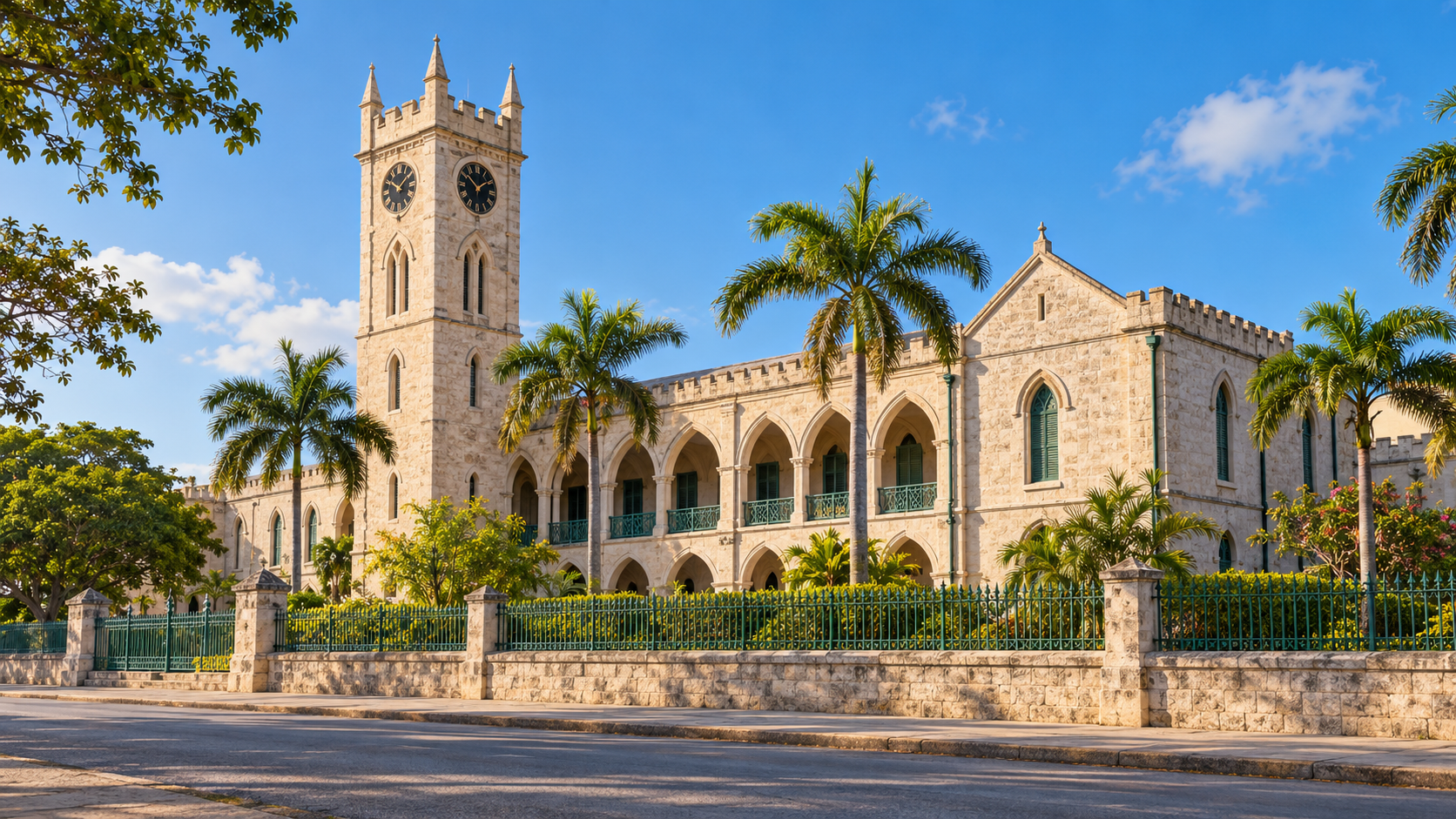
On This Day in Politics: November 30, 1966
On November 30, 1966, Barbados became an independent state, ending Britain's responsibility for its government. The constitutional transition placed national authority in Barbadian institutions while the country remained within the Commonwealth. Errol Barrow led the government as prime minister, and the new state retained Queen Elizabeth II as its constitutional monarch, represented locally by a governor-general. Independence ceremonies marked a change in sovereignty after centuries of British colonial rule. The anniversary should be distinguished from the later creation of a republic in 2021, which occurred on the same calendar date but changed the head-of-state arrangements of a country that was already independent.
The transition followed decades of political reform and the growth of representative government on the island. Broader voting rights and party organization had changed who could influence public decisions, while internal self-government expanded local responsibility. Barbados had also participated in the West Indies Federation, whose collapse left Caribbean territories considering different routes to independence. Negotiations with Britain in 1966 produced agreement on the constitutional framework for a separate sovereign state. The process combined continuity in parliamentary institutions with a decisive shift in their ultimate authority. Existing public offices did not disappear, but they would operate under a constitution whose legitimacy and responsibilities belonged to the independent country.
The British Independence Act specified November 30 as the point from which the United Kingdom would no longer be responsible for governing Barbados. The independence constitution established the arrangements for the executive, legislature and courts, including protections for rights. Retaining the monarchy did not preserve British governmental control: the Crown's role was exercised within the new constitutional order through local institutions and advice. That distinction is essential to understanding Commonwealth independence. A country could retain a shared monarch while possessing its own sovereign government. Diplomatic recognition and the opening of international relations gave practical expression to that status, as Barbados began acting for itself in the wider community of states.
Barbados joined the United Nations in December 1966 and developed foreign relations alongside its Commonwealth connections. Its subsequent social, economic and constitutional choices belonged to the independent state's own political history. The move to a republic fifty-five years later should not obscure the importance of the original transfer of responsibility. November 30, 1966, marks the beginning of sovereign national government, while the 2021 anniversary concerns a later revision of the head of state. The independence event demonstrates how decolonization can combine institutional continuity with a fundamental change in authority. It created the power and responsibility to determine national policy without requiring every inherited practice to be replaced at once.
Barbados had developed local representative institutions before independence. The transition changed their sovereign constitutional position.
The collapse of the West Indies Federation preceded the final negotiations. Barbados followed a separate route to statehood.
Britain's governmental responsibility ended on November 30, 1966. The Independence Act identified that appointed day.
The Queen remained constitutional monarch under Barbadian arrangements. This did not leave Britain in charge of the new state's government.
United Nations membership followed in December. It was a separate diplomatic step after independence.
The republic was established in 2021 on the same anniversary. Independence and the later change of head of state are distinct events.
Explore more of "On This Day ..."
Discover more events from the same date across news, politics, technology, sports, and other fields. Each link highlights significant moments that shaped history on different fronts.