

On This Day in Politics: December 3, 1989
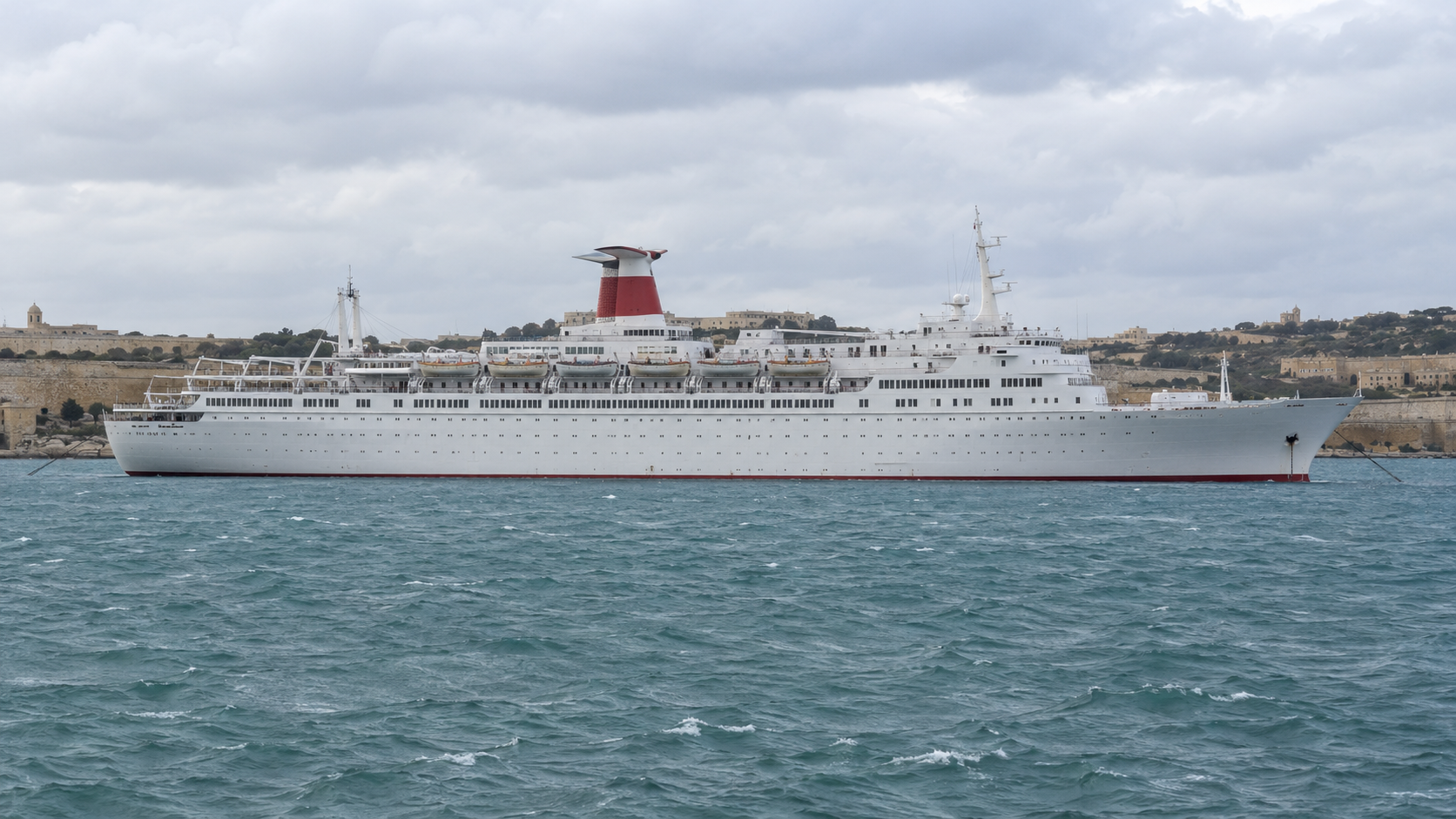
On December 3, 1989, United States President George H. W. Bush and Soviet leader Mikhail Gorbachev concluded their summit near Malta after two days of discussions about a rapidly changing international order. Meeting aboard the Soviet passenger liner Maxim Gorkiy in Marsaxlokk Bay, they explored how to move beyond decades of confrontation. Severe weather had disrupted plans to alternate meetings between American and Soviet warships. At the close, their public remarks emphasized cooperation and the possibility of reducing the division of Europe. The gathering became a powerful symbol of the Cold War's ending, although it did not produce a treaty that formally declared the conflict over.
Events in Eastern Europe gave the talks unusual urgency. Communist governments were losing power, borders were opening, and the Berlin Wall had opened less than a month earlier. Gorbachev's reforms had changed the atmosphere of Soviet politics, while Bush was assessing how the United States should respond without undermining the wider diplomatic transition. Their governments still possessed enormous military forces and nuclear arsenals. The collapse of old political certainties did not automatically resolve disputes about security, arms control, or the future of Europe. An informal meeting offered the leaders a chance to discuss those questions directly before negotiating more specific agreements through the established diplomatic channels.
During the December 3 discussions, Gorbachev described a Soviet willingness to treat the relationship as cooperative rather than adversarial. The participants examined strategic arms negotiations and the broader military positions of the two states. Their exchanges also revealed continuing differences about how quickly policies and forces should change. In the public session, Bush presented improved relations as an opportunity to reduce confrontation, while recognizing that Europeans and other peoples would determine their own futures. Gorbachev likewise stressed the importance of dialogue amid extraordinary political change. These were significant statements of direction, but the summit's informal character meant that expressions of intent should be distinguished from completed arms reductions or binding settlements.
The meeting's importance lay partly in its timing and partly in the willingness of both leaders to describe a different relationship in public. Malta did not create the upheavals already transforming Europe, and the Soviet Union continued to exist after the talks. German unification and major subsequent arms agreements also lay ahead. It would therefore be misleading to present December 3 as a single legal finish line for the Cold War. Instead, the summit helped establish a diplomatic approach suited to the changes underway: consultation between former adversaries, acknowledgment of common dangers, and continued work on unresolved military questions. Its enduring image is one of leaders trying to manage a transition whose outcome was still uncertain.
The opening of the Berlin Wall preceded the summit. Malta brought the two leaders together to respond to a transformation already unfolding across Eastern Europe.
The original maritime arrangements involved warships from both countries. Stormy conditions made the Soviet passenger liner a practical meeting venue rather than merely a symbolic choice.
The closing public appearance communicated a less confrontational outlook. The private diplomatic record also shows concrete discussion of military doctrine and strategic arms negotiations.
Informal agreement on direction did not eliminate differences about forces or policy. The summit supplied a framework for further work rather than a completed security settlement.
Later developments, including German unification and further arms negotiations, should be treated as subsequent history. They were not accomplished by a single declaration at Malta.
Calling Malta a symbol of the Cold War's end captures its public importance. Treating it as a formal treaty ending the conflict would overstate what the participants signed or settled.
Explore more of "On This Day ..."
Discover more events from the same date across news, politics, technology, sports, and other fields. Each link highlights significant moments that shaped history on different fronts.