

On This Day in Politics: December 9, 1961
On December 9, 1961, Tanganyika became independent from British administration, with Julius Nyerere serving as prime minister. Ceremonies in Dar es Salaam marked the transfer to sovereign government, and the new country began conducting relations with other states in its own name. Tanganyika initially retained Queen Elizabeth II as head of state within the Commonwealth, represented by a governor-general. Independence therefore did not establish a republic that day. Nor was the country yet the United Republic of Tanzania, which emerged from a later union with Zanzibar. The anniversary identifies a specific transition from an internationally supervised colonial administration to an independent Tanganyikan state.
Tanganyika's route to independence reflected its earlier position within successive imperial and international systems. After German rule ended during the First World War, Britain administered the territory under a League of Nations mandate and subsequently a United Nations trusteeship. This status made political development and eventual self-government matters of international scrutiny as well as British colonial policy. African political organization, including the Tanganyika African National Union under Nyerere's leadership, pressed the case for independence. Constitutional negotiations and the growth of elected government provided the immediate path toward the 1961 settlement. The result transferred authority to national institutions, while leaving the new government responsible for addressing the economic and administrative inequalities inherited from colonial rule.
The constitutional arrangements accompanying independence defined citizenship, parliamentary government, and the offices through which executive authority would operate. Such provisions gave practical legal form to the transfer celebrated on December 9. International recognition also followed: the United States recognized Tanganyika on that date and elevated its consulate general in Dar es Salaam to an embassy. Nyerere's government declared its acceptance of the obligations of the United Nations Charter in connection with its application for membership. Admission to the United Nations came on December 14, a separate event after independence. These steps show how domestic constitutional change and international recognition worked together to establish the country's standing without occurring through a single ceremony or document.
Tanganyika became a republic in 1962, with Nyerere as president, and joined Zanzibar in 1964 to form the state later named Tanzania. Those developments changed institutions and national identity beyond the arrangements adopted at independence. Keeping the stages distinct helps explain what December 9 accomplished: the end of British administration and the beginning of sovereign Tanganyikan government. Independence brought the power to shape national priorities, but it also brought difficult decisions about development, representation, and relations with neighboring countries. The date remains significant because it marks the transfer of political responsibility to the country's own government. The later republic and union built on that foundation while creating a constitutional order different from the one inaugurated in 1961.
Tanganyika was a United Nations Trust Territory under British administration before independence. That international framework formed part of the background to the transfer of authority.
National political organization and constitutional negotiations preceded the celebrations. The independence date was the outcome of a political process rather than the beginning of all local self-government.
The initial independent state retained the Commonwealth monarchy. Becoming a republic was a separate constitutional change in 1962.
United Nations membership followed on December 14. Independence, diplomatic recognition, and admission to an international organization are connected but distinct milestones.
Union with Zanzibar came in 1964. The name and institutions of Tanzania should not be projected backward onto every feature of independent Tanganyika in 1961.
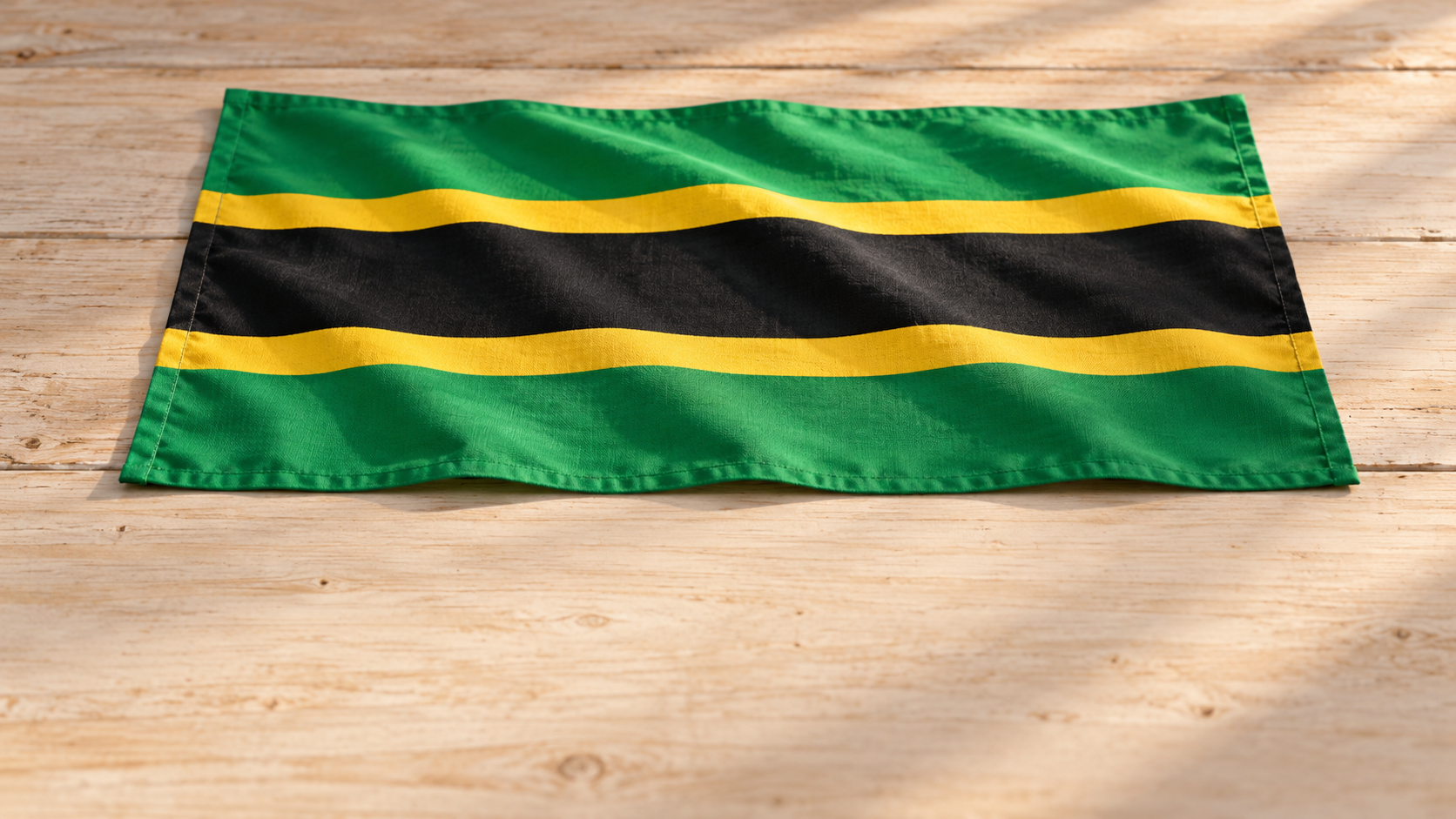
The new national flag used horizontal green, yellow, black, yellow, and green bands. It differed from the later diagonal design associated with the united state.
Explore more of "On This Day ..."
Discover more events from the same date across news, politics, technology, sports, and other fields. Each link highlights significant moments that shaped history on different fronts.