

On This Day in Politics: December 10, 1898
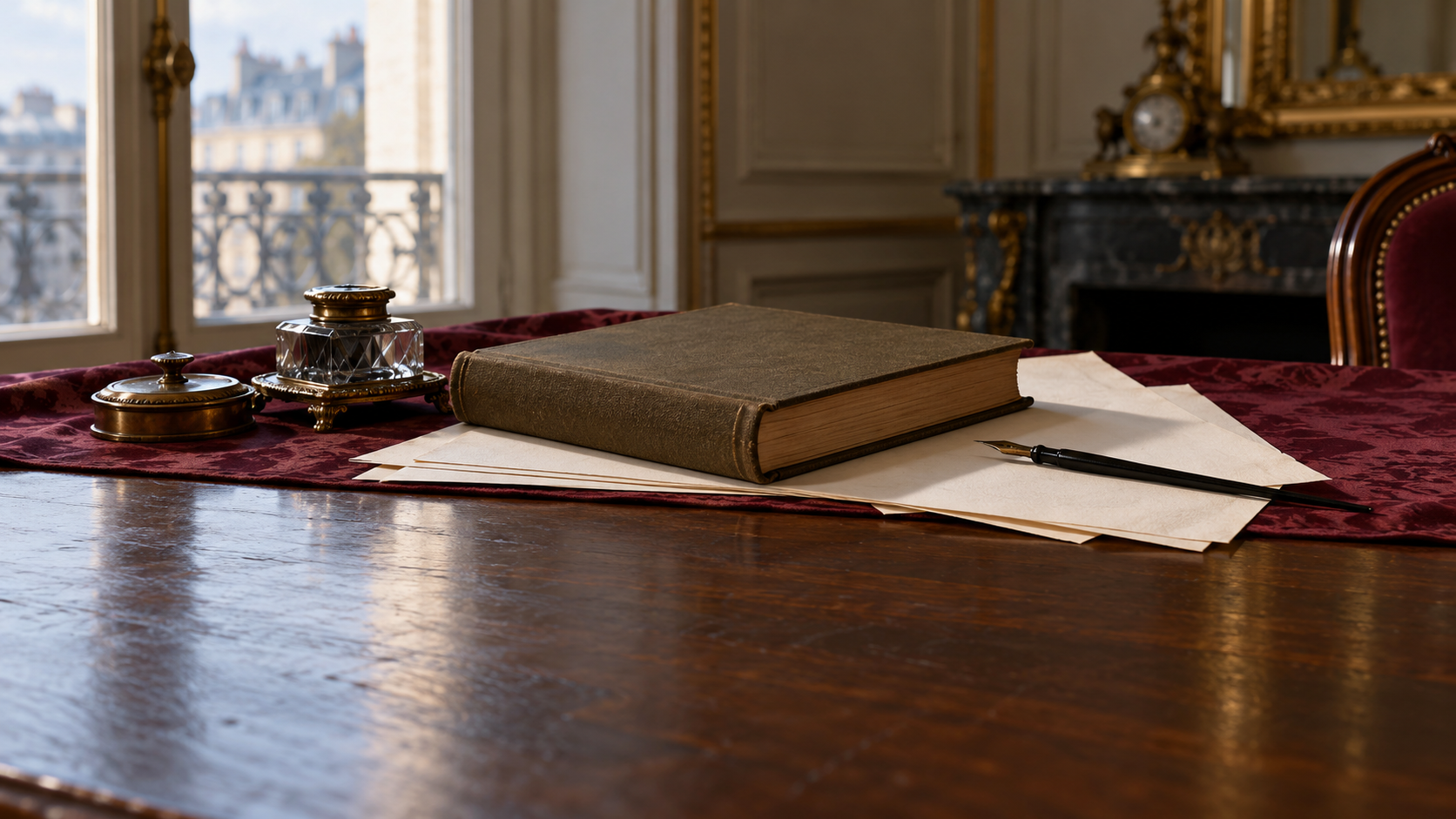
On December 10, 1898, commissioners representing Spain and the United States signed a peace treaty in Paris after the Spanish-American War. The American delegation was led by William R. Day, while Eugenio Montero Ríos headed the Spanish commissioners. Their agreement required Spain to relinquish sovereignty over Cuba and cede Puerto Rico, Guam, and the Philippines to the United States. It also provided for an American payment of twenty million dollars concerning the Philippine cession. The signatures recorded the negotiated settlement, but ratification and the exchange of the ratified documents would follow in 1899. The treaty transformed imperial relationships without giving all the affected populations an equal place in deciding their future.
The negotiations followed fighting in the Caribbean and the Pacific and an August 1898 protocol that suspended hostilities and established the basis for peace talks. Cuba's struggle against Spanish rule had preceded American intervention, while Filipino revolutionaries had also pursued independence from Spain. Military victory gave Washington considerable bargaining power at the Paris conference. The commissioners nevertheless had to turn broad political demands into provisions governing sovereignty, property, prisoners, trade, and the status of inhabitants. The negotiations were therefore about more than ending battles. They concerned which government would exercise authority over territories and people after the fighting, and what obligations would accompany that change.
The treaty treated Cuba differently from the territories ceded to the United States. Spain relinquished its claim to the island, with American responsibilities connected to the occupation that followed, rather than transferring Cuban sovereignty through the same formula used for Puerto Rico, Guam, and the Philippines. The document also left the civil rights and political status of the inhabitants of the ceded territories to determination by the United States Congress. That provision exposed the distance between a settlement among governments and political self-determination for the people concerned. Other articles addressed the release of prisoners and the disposition of public property and records. Together, these terms provided a legal framework for a major redistribution of authority.
The United States Senate approved the treaty in February 1899, Spain ratified it in March, and the exchange of ratifications took place in April. Conflict between American forces and Filipino independence fighters also began in 1899, demonstrating that an agreement between Spain and the United States did not settle Filipino demands. Those developments belong to the treaty's aftermath rather than the day of signature. December 10 remains important as the moment the two negotiating delegations committed themselves to the peace terms. Its legacy includes the decline of Spanish imperial power and the expansion of American territorial authority. It also raises enduring questions about who participates in diplomatic settlements and how the people governed by their provisions can influence the institutions imposed afterward.
The August 1898 protocol preceded the Paris negotiations. It suspended hostilities and set the stage for commissioners to negotiate a treaty that still required ratification.
American and Spanish delegations negotiated the agreement. The aspirations of Cuban and Filipino independence movements were not equivalent to the decisions those two governments made.
Cuba's treatment differed from the cessions of Puerto Rico, Guam, and the Philippines. Relinquishment, occupation, and territorial transfer should not be treated as interchangeable terms.
The treaty placed the political status of inhabitants of ceded territories within the authority of Congress. It did not establish the same constitutional outcome for every affected territory.
Ratification occurred in 1899 after the December signature. Those later actions were required before the full treaty process was completed.
The Philippine-American War showed that peace between the former imperial adversaries did not resolve every struggle over sovereignty. The treaty's consequences extended well beyond the conference room.
Explore more of "On This Day ..."
Discover more events from the same date across news, politics, technology, sports, and other fields. Each link highlights significant moments that shaped history on different fronts.