

On This Day in Politics: December 12, 1963
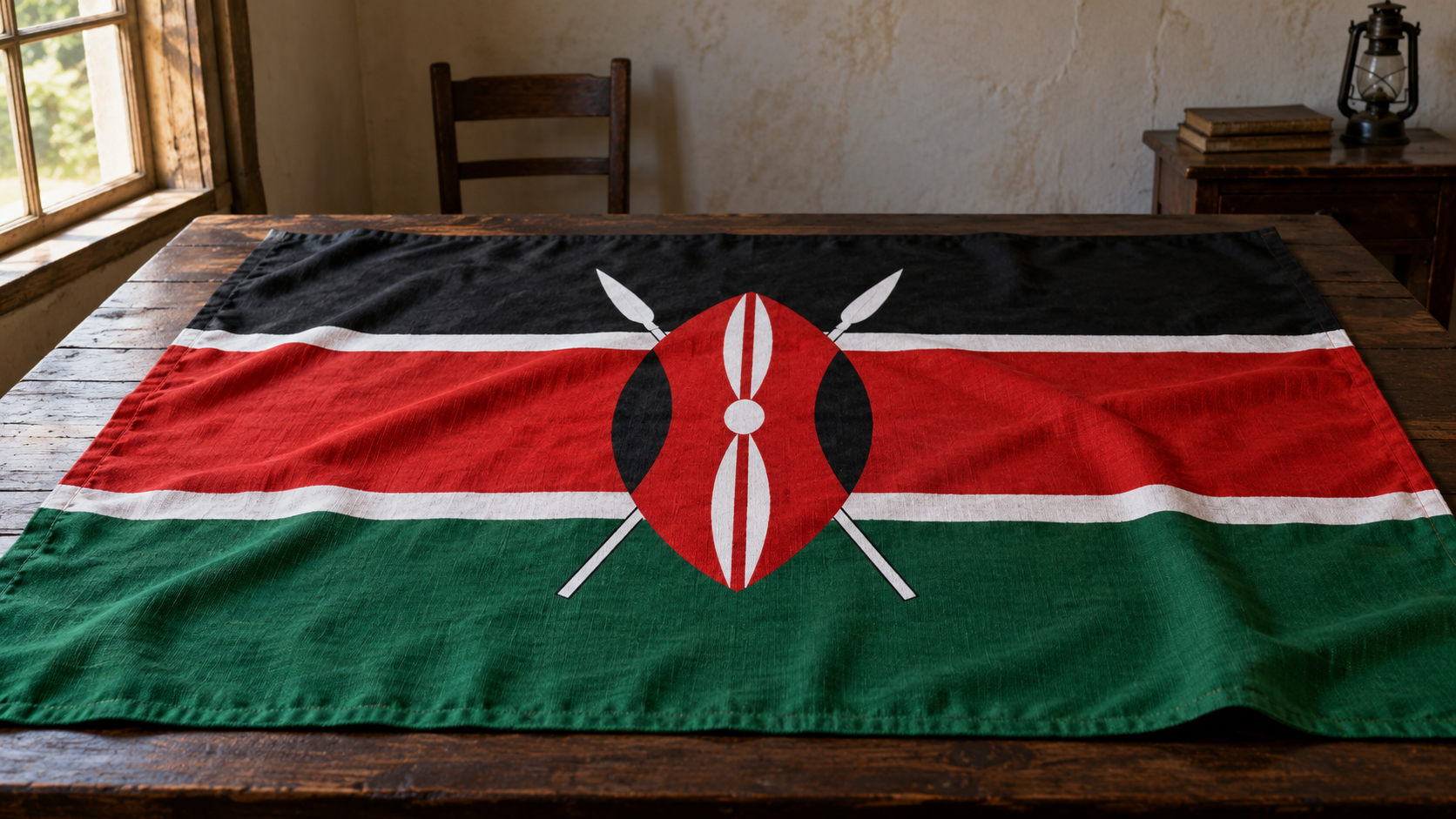
On December 12, 1963, Kenya became independent from Britain, with Jomo Kenyatta serving as prime minister of the new state. Ceremonies in Nairobi marked the end of colonial government, and the Kenyan flag became the national symbol of sovereign authority. The transition followed negotiations over constitutional arrangements and the growth of an African nationalist movement. Independence transferred responsibility for the country's government away from the United Kingdom and established Kenya as an actor in international relations in its own right. It did not immediately create a republic: that further constitutional change occurred on the first anniversary of independence, when Kenyatta became president in December 1964.
British control had developed from the establishment of a protectorate in the late nineteenth century, followed by the creation of the Kenya Colony. Colonial government shaped land ownership, labor relations, and political representation in ways that privileged European settlers and restricted the African majority. Opposition took several forms, including organized political campaigning and the Mau Mau uprising. The emergency declared in 1952 brought detention, violence, and severe restrictions. Kenyatta was imprisoned during that period and became an important nationalist symbol. The struggle for independence therefore involved both negotiations among political leaders and a much broader history of exclusion, coercion, and demands for control over the country's future.
Constitutional talks in the final years of British rule established the arrangements under which independence would take place. Elections and internal self-government preceded the transfer of sovereignty, with Kenyatta leading the government before December arrived. The Kenya Independence Act specified December 12 as the appointed day on which Britain would cease to be responsible for Kenya's government. These legal provisions mattered alongside the public ceremony because they changed the source of governmental authority. Independence also required the development of the country's own diplomatic relationships and international representation. Recognition by other governments and participation in international institutions placed Kenya within a new network of responsibilities beyond the colonial relationship that had previously defined its external position.
The date is commemorated as Jamhuri Day, linking independence with the republic established exactly a year later. Keeping the two anniversaries distinct clarifies what happened in 1963: Kenya achieved sovereignty while initially retaining a constitutional relationship with the Crown. The new government faced difficult questions about land, economic opportunity, national cohesion, and the distribution of political power. Those challenges were not resolved by raising a flag or passing an act of parliament. Even so, the transfer was a fundamental break with colonial rule. It gave Kenyan institutions responsibility for directing the country's affairs and made the creation of an independent political community a practical task for its leaders and citizens.
Colonial land policies and unequal political rights formed part of the background to nationalist demands. Independence followed a long struggle over authority and representation.
The Mau Mau emergency and constitutional negotiations were different parts of that history. Neither alone explains the entire transition.
Kenyatta was prime minister at independence. Calling him president on December 12, 1963 would anticipate the republic created the following year.
The legal transfer ended British responsibility for Kenya's government. International recognition and diplomatic representation accompanied the new sovereign status.
Jamhuri Day commemorates both independence in 1963 and the republic in 1964. The shared calendar date contains two separate constitutional milestones.
Sovereignty changed who exercised governmental authority. Questions of land, development, and political inclusion remained central to Kenya's subsequent history.
Explore more of "On This Day ..."
Discover more events from the same date across news, politics, technology, sports, and other fields. Each link highlights significant moments that shaped history on different fronts.