

On This Day in Politics: December 13, 1981
On December 13, 1981, Poland's communist authorities imposed martial law, placing the country under extraordinary restrictions and moving against the independent Solidarity movement. General Wojciech Jaruzelski announced the decision in a broadcast that morning, while soldiers and security forces occupied key locations. A Military Council of National Salvation, known by its Polish initials WRON, became the public face of the operation. Thousands of opposition activists were detained, communications were disrupted, and normal civic activity was sharply limited. Preparations and the first security actions had begun during the preceding evening, but December 13 is the date associated with the formal announcement and the nationwide imposition of military rule.
Solidarity had emerged from the strikes of 1980 as an independent trade union with a mass membership and influence extending well beyond workplace bargaining. Its existence challenged a political system in which the ruling communist party claimed a leading role throughout public life. Economic shortages and disputes over political reform deepened the crisis during 1981. The authorities regarded independent organization as a threat to their control, while many workers and other citizens sought greater freedom and accountability. Poland's position within the Soviet bloc added an international dimension to these tensions. Arguments about the likelihood of Soviet intervention have remained contested, and they should be distinguished from the directly documented actions of the Polish authorities.
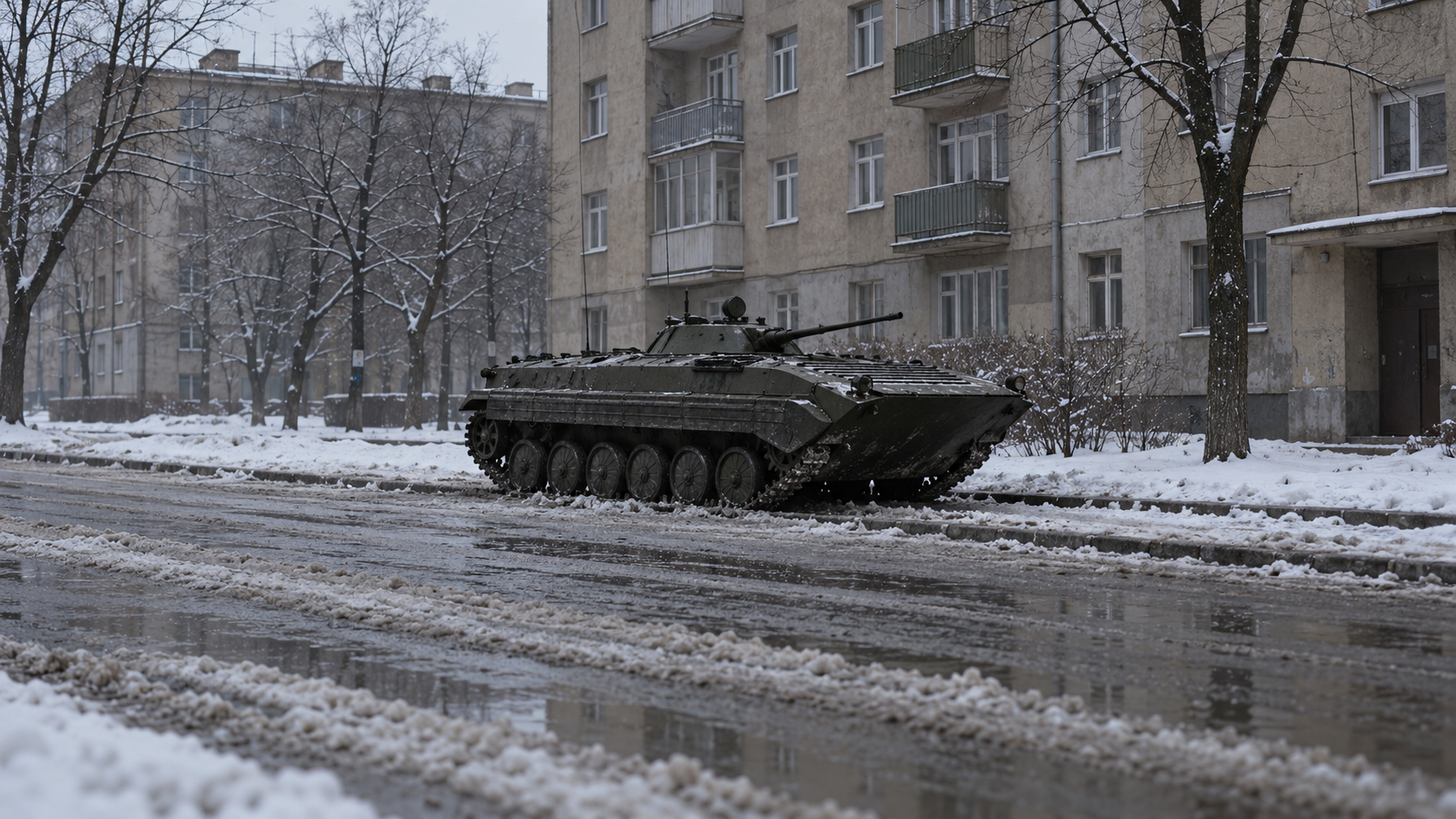
The operation depended on speed and the isolation of potential opponents. Telephone links were cut or restricted, security forces seized communications facilities, and internment measures targeted union leaders and other activists. A curfew, travel controls, censorship, and restrictions on gatherings changed everyday life. Strikes and other resistance followed in several locations despite the overwhelming force available to the state. The decree did not simply regulate military affairs; it reached into employment, public discussion, transport, and private efforts to obtain information. People who had participated openly in independent organizations suddenly faced detention or the need to operate clandestinely. The visible presence of troops and armored vehicles reinforced the practical consequences of those decisions.
Martial law was eventually lifted in 1983, but repression and the struggle over political authority continued. Solidarity survived through underground networks, support from parts of society, and later renewed organizing. Negotiations and elections in 1989 opened a very different political phase. Those developments were not automatic consequences of the December announcement, nor did they erase the suffering inflicted during the crackdown. The anniversary instead marks a specific exercise of state power against an independent social movement. It remains significant for understanding the limits of communist reform, the vulnerability of civil liberties during a political emergency, and the persistence of organizations that continued to challenge the authorities after their legal public activity had been suppressed.
Solidarity combined a trade union identity with a wider demand for public accountability. Its scale made the dispute central to Poland's political order.
Economic crisis and the country's position within the Soviet bloc shaped the conflict. Claims about an inevitable Soviet invasion remain a matter of historical debate.
Security operations began before the morning announcement. The anniversary identifies the formal imposition of martial law, rather than the start of every preparatory action.
Communication restrictions and internment were essential to the crackdown. They limited the ability of activists and ordinary citizens to coordinate or obtain reliable information.
Independent organizing continued underground. The destruction of open activity did not end the movement or the conflicts that had produced it.
The political opening of 1989 came after years of further struggle. It should not be treated as an immediate or guaranteed result of the 1981 repression.
Explore more of "On This Day ..."
Discover more events from the same date across news, politics, technology, sports, and other fields. Each link highlights significant moments that shaped history on different fronts.