

On This Day in Pop: January 12, 1966
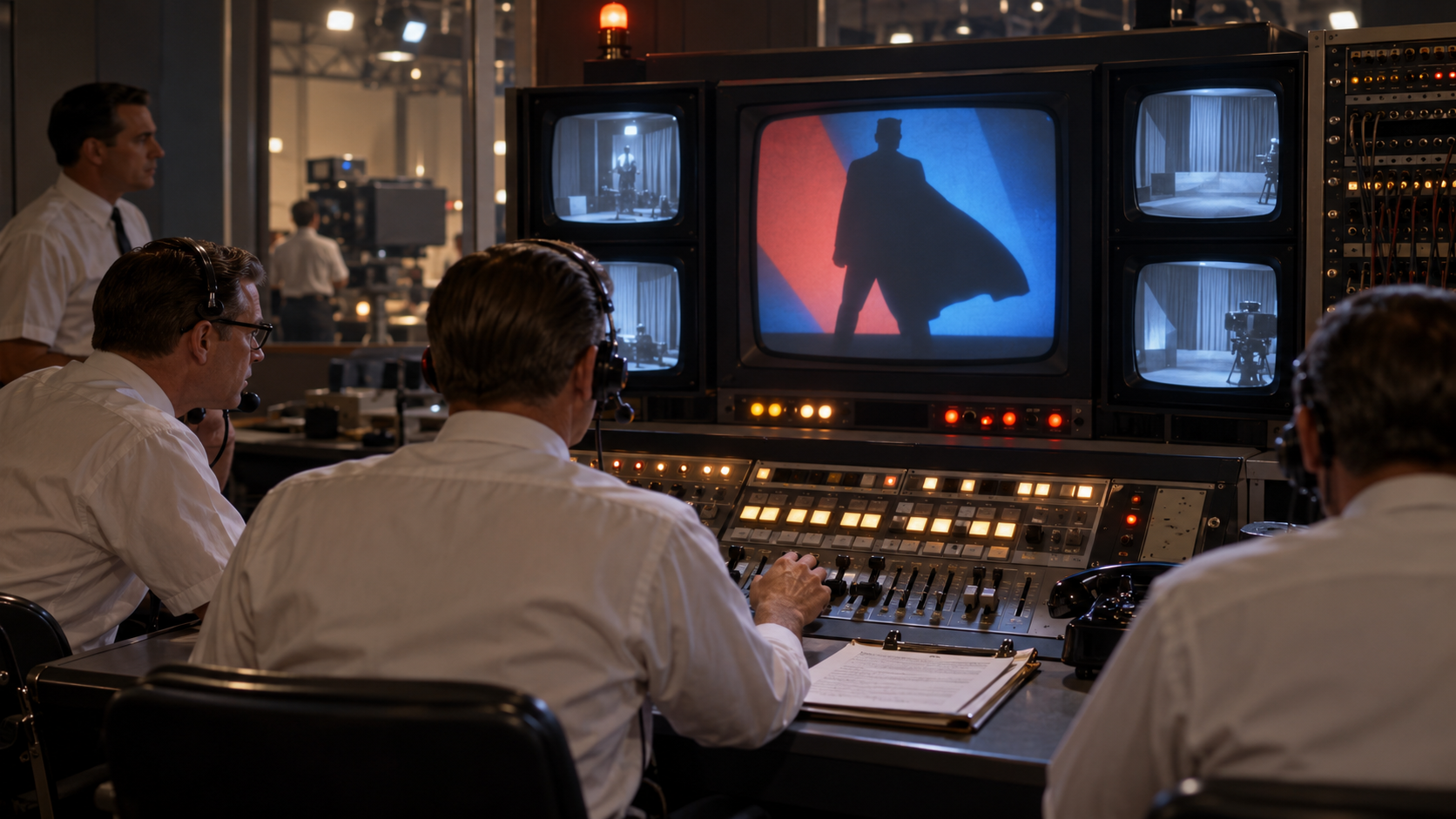
ABC premiered Batman on January 12, 1966, bringing the DC Comics hero to prime-time television in a form unlike the dark crime stories many later audiences would associate with the character. Adam West played the solemn, impossibly composed Batman, with Burt Ward as the eager Robin. The first episode, “Hi Diddle Riddle,” set the tone: Frank Gorshin’s Riddler staged elaborate clues, the heroes treated absurd situations with complete seriousness, and the story stopped at a cliffhanger to be resolved the following night. The schedule was part of the concept. New adventures aired on consecutive evenings, inviting viewers back for the conclusion and giving ABC a bright, fast-moving event in the middle of the television week.
The series turned comic-book grammar into live-action design. Dutch camera angles, saturated sets, labeled gadgets, animated punctuation and quick cuts made each episode look as if a panel had burst open. Its humor operated on two levels. Children could follow the clear contests between heroes and villains, while adults heard satire in the formal dialogue, civic lectures and wildly exaggerated predicaments. Producer William Dozier’s team surrounded West and Ward with established performers eager to play flamboyant antagonists, including Burgess Meredith, Cesar Romero and Julie Newmar. The timing matched a wider fascination with Pop Art, youth fashion and self-conscious camp. Merchandising followed quickly, and the show’s theme music, Batmobile and visual vocabulary became recognizable far beyond regular viewers.
The immediate craze was enormous but brief. Ratings softened, the twice-weekly format was reduced, and ABC ended the series in 1968 after three seasons. Its colorful comedy also shaped public assumptions about comic books for decades, sometimes frustrating readers and creators who wanted the medium taken more seriously. Yet the program’s limitations are inseparable from its achievement. It understood that television could translate a printed form through design, rhythm and performance rather than by pretending the source material was ordinary realism. Later screen versions pushed Batman toward gothic drama, but they continued to define themselves partly in relation to West’s interpretation. The 1966 premiere therefore remains a landmark not because it offered the final word on the character, but because it proved a comic-book property could become a complete audiovisual world—and a shared national pop event.
The series arrived as ABC sought distinctive youth-oriented programming and scheduled its stories across two consecutive nights.
Adam West’s straight-faced performance allowed the production’s visual absurdity and verbal jokes to work without collapsing into parody.
Colorful design, cliffhangers and celebrity villains produced a merchandising surge and immediate audience recognition.
The craze faded quickly, and the camp approach narrowed how many people understood comic-book storytelling for years afterward.
The show established a durable screen language for superhero television, from signature vehicles to themed villains and serialized stakes.
Every later Batman adaptation has negotiated the contrast between this exuberant version and the character’s darker possibilities.
Explore more of "On This Day ..."
Discover more events from the same date across news, politics, technology, sports, and other fields. Each link highlights significant moments that shaped history on different fronts.