

On This Day in Pop: January 11, 1927
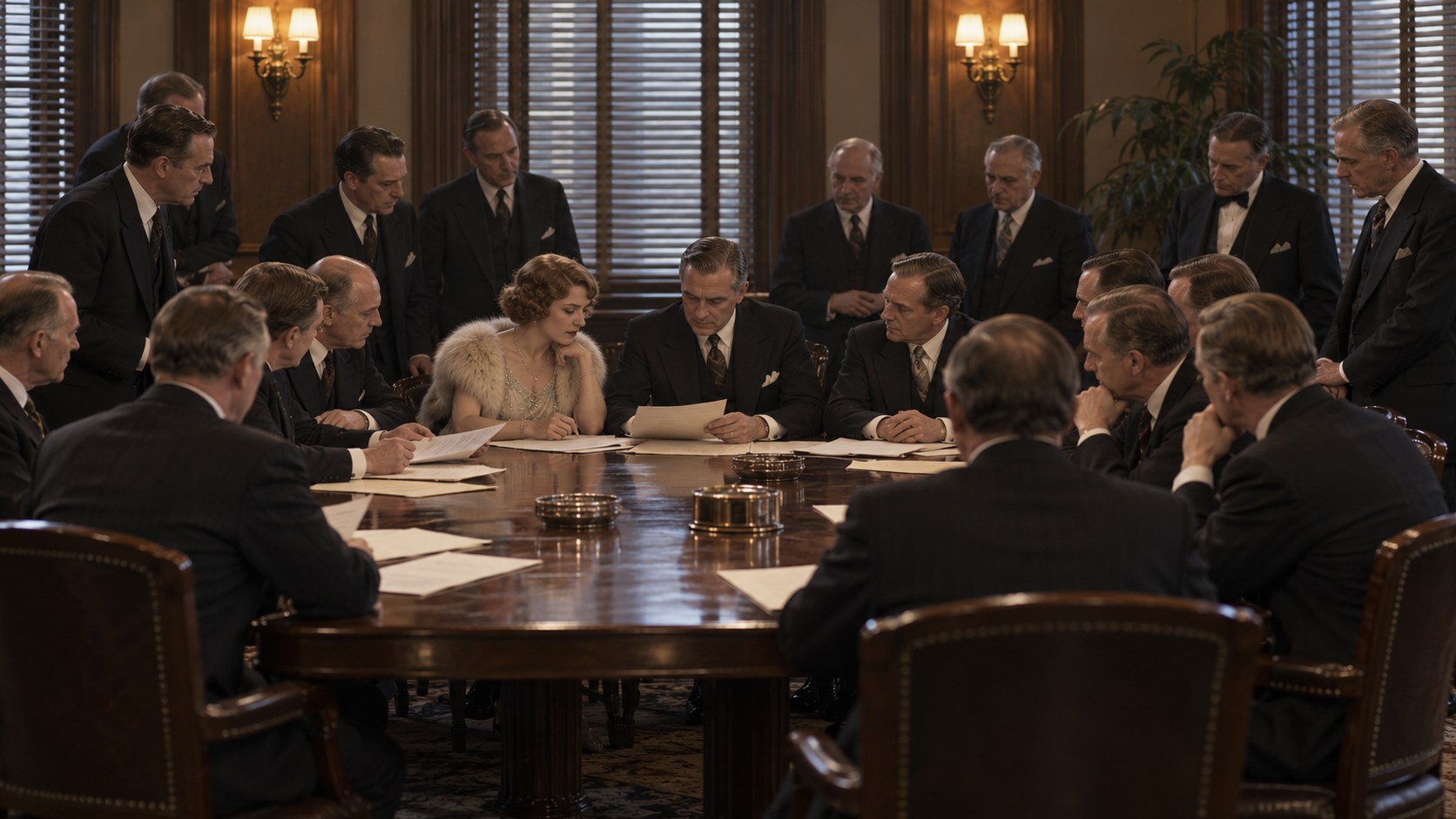
Thirty-six figures from the motion-picture business gathered at the Ambassador Hotel in Los Angeles on January 11, 1927, to hear a proposal for a new industry organization. Metro-Goldwyn-Mayer chief Louis B. Mayer had discussed the idea days earlier with actor Conrad Nagel, director Fred Niblo and producer Fred Beetson. The larger dinner brought together representatives of the principal studio crafts, including actors Mary Pickford, Douglas Fairbanks and Harold Lloyd, directors such as Raoul Walsh and Henry King, producers including Jesse Lasky, and writers and technicians. Their proposed body would unite the industry’s branches, improve Hollywood’s public standing, mediate labor disputes and address technical and professional concerns. It was not yet the institution the world would later know, and awards were not the evening’s central business.
The meeting belonged to a Hollywood undergoing rapid change. Feature films had become a mass entertainment business, powerful studios were consolidating production and distribution, and synchronized sound was about to disrupt established practices. The industry faced criticism over scandals and screen content while craftspeople pressed for a stronger voice in working conditions and recognition. Mayer’s proposed academy offered cooperation under studio leadership, a structure that also served employers’ interests at a time when independent unions were developing. Those mixed motives are essential to the story. The dinner did not instantly found a finished organization; it gathered support and produced a plan that was refined through subsequent meetings. California granted the Academy of Motion Picture Arts and Sciences a nonprofit charter in May 1927, and a formal organizational banquet followed.
The Academy’s Awards of Merit emerged later and were first presented in 1929. Only over time did the nickname “Oscar” and the annual ceremony become global shorthand for film prestige. The January 11 dinner therefore matters less as the birth of a trophy than as the moment a broad group of Hollywood leaders agreed that cinema needed a permanent institution to define standards, honor work and speak for the profession. The organization’s history would include exclusions, labor conflicts and repeated debates about whose achievements deserved recognition. It would also build an important library and film archive and create the most visible ritual in the movie calendar. What began in a hotel dining room as an industry proposal grew into a cultural institution whose choices could shape careers, canons and public conversations about motion pictures.
The Ambassador Hotel dinner assembled people from acting, directing, writing, producing and technical work around one institutional proposal.
Louis B. Mayer promoted cooperation and public legitimacy, but the plan also reflected studio leaders’ desire to manage labor relations.
Attendees endorsed the concept and continued organizing; legal incorporation and the formal Academy structure came several months later.
The familiar awards were not the dinner’s main purpose and did not begin until 1929.
The Academy eventually became a global symbol of film recognition while also maintaining archives, a library and technical programs.
Its history continues to prompt debate about representation, membership, taste and the relationship between art and industry.
Explore more of "On This Day ..."
Discover more events from the same date across news, politics, technology, sports, and other fields. Each link highlights significant moments that shaped history on different fronts.