

On This Day in Pop: February 10, 1940
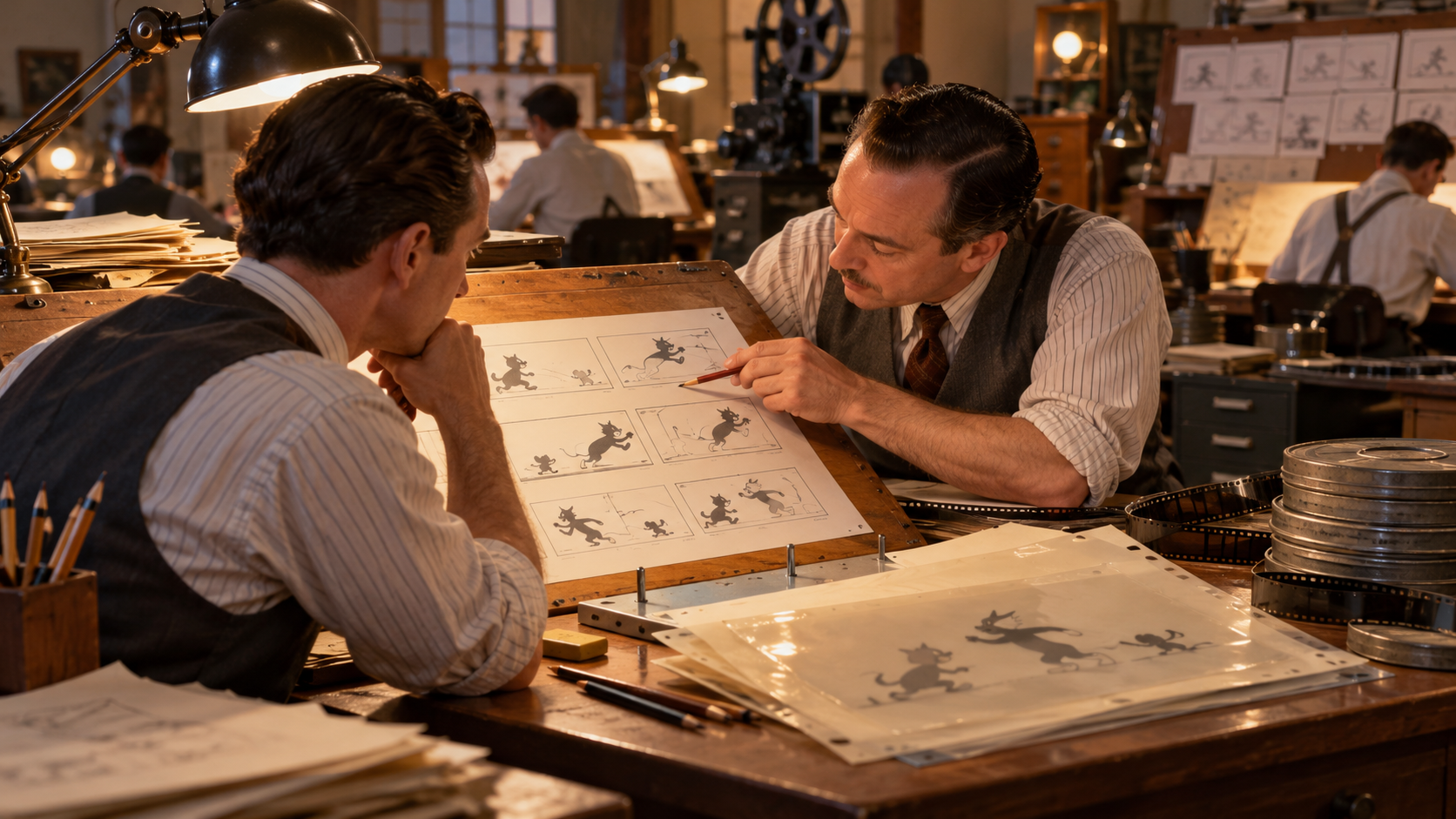
On February 10, 1940, Metro-Goldwyn-Mayer released Puss Gets the Boot, an animated theatrical short built around a cat’s increasingly desperate attempt to catch a mouse without destroying the house around them. The cat was called Jasper, while the mouse did not yet carry the familiar name Jerry. Directors William Hanna and Joseph Barbera shaped the action through timing, expression, music and cause-and-effect gags, establishing a rivalry that could be understood with little dialogue. Viewed in its own time, the occasion was more than a neat calendar marker. It sat where entertainment, technology, publicity and public appetite met, and each of those forces helped determine who encountered it and what they made of it. Remembering the setting keeps the story grounded in decisions made by artists, producers, distributors and audiences rather than turning a complicated cultural shift into a single flash of inevitability.
The short emerged from MGM’s cartoon unit, where teams of animators, layout artists, background painters, inkers, camera operators, musicians and sound specialists translated drawings into motion. Its escalating chase was carefully organized: each attempt creates a new problem, and the domestic setting becomes a field of comic hazards. An Academy Award nomination helped validate the concept inside the studio. Subsequent entries renamed the characters Tom and Jerry and gave the directors repeated opportunities to vary the same basic conflict. The response also shows how popular culture accumulates momentum. A performance, release or institutional choice can feel self-contained on the day it happens, yet its meaning expands through reviews, broadcasts, sales, conversation and imitation. Those channels do not affect every person in the same way, but together they can turn a dated event into a shared reference point, one that later work either follows, revises or pushes against.
The series eventually crossed decades, production teams and media formats, winning awards while also attracting criticism for violent slapstick and dated racial stereotypes in some early cartoons. Both realities belong to its history. The debut matters because it reveals how a seemingly simple premise can sustain endless reinvention when character, rhythm and visual clarity are strong. Even viewers who do not share a language can follow the shifting advantage between predator and prey. That accessibility helped the pair travel widely and made their silhouettes part of global screen culture. That longer view is why the date remains useful. It provides a precise doorway into changes that unfolded unevenly and involved many contributors, including people whose labor was less visible than the headline names. The surviving recordings, films, photographs and documents let new audiences reconsider both the achievement and its limits. Pop history is strongest when celebration is paired with context, and this anniversary offers room for both.
MGM released the animated short Puss Gets the Boot on February 10, 1940, introducing the cat-and-mouse conflict later developed as Tom and Jerry.
The setting and sequence matter because they show how the screen debut that led to Tom and Jerry reached the public on this particular date.
The short’s physical comedy and clear visual storytelling earned attention, including an Academy Award nomination, and encouraged further cartoons.
The first response came through the era’s available channels, from press and broadcast coverage to ticket buyers, listeners or viewers.
William Hanna and Joseph Barbera refined the pairing into one of animation’s most durable and internationally recognized series.
Its reputation has continued to develop through preservation, scholarship, revival and the interpretations of later audiences.
Explore more of "On This Day ..."
Discover more events from the same date across news, politics, technology, sports, and other fields. Each link highlights significant moments that shaped history on different fronts.