

On This Day in Pop: February 29, 1940
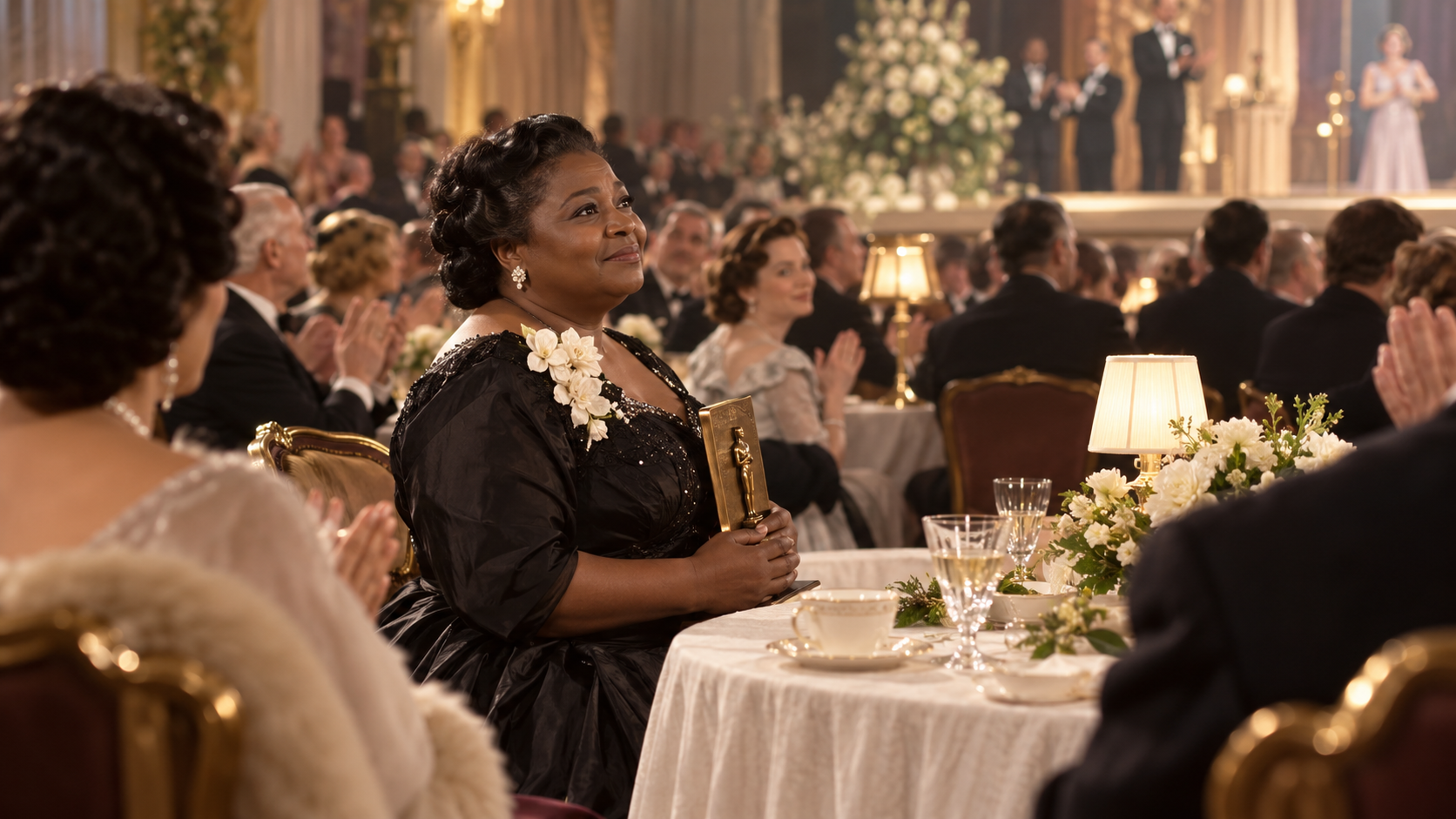
On February 29, 1940, Hattie McDaniel won the Academy Award for supporting actress for her performance as Mammy in Gone with the Wind. She was the first Black person nominated for and awarded an Oscar. At the ceremony in the Cocoanut Grove nightclub of Los Angeles’s Ambassador Hotel, McDaniel and her escort sat at a separate table from the film’s white cast. The plaque she accepted marked a genuine professional breakthrough inside an industry and city structured by racial exclusion. Viewed in its own time, the occasion was more than a neat calendar marker. It sat where entertainment, technology, publicity and public appetite met, and each of those forces helped determine who encountered it and what they made of it. Remembering the setting keeps the story grounded in decisions made by artists, producers, distributors and audiences rather than turning a complicated cultural shift into a single flash of inevitability.
Gone with the Wind dominated the evening, winning Best Picture and multiple other awards, but its romantic treatment of the slaveholding South and its Black stereotypes were contested even at the time and remain deeply troubling. McDaniel brought humor, timing, authority and emotional intelligence to a role bounded by those conventions. Her success did not open equal opportunities: Hollywood continued to confine Black performers to servants and other narrow parts, and McDaniel herself navigated criticism over the jobs available to her. The response also shows how popular culture accumulates momentum. A performance, release or institutional choice can feel self-contained on the day it happens, yet its meaning expands through reviews, broadcasts, sales, conversation and imitation. Those channels do not affect every person in the same way, but together they can turn a dated event into a shared reference point, one that later work either follows, revises or pushes against.
The Oscar is therefore most meaningful when triumph and constraint are remembered together. McDaniel’s achievement created a precedent later Black actors could invoke, while the decades separating many subsequent milestones show how slowly institutions changed. Her career included radio, film and community work beyond this single role, yet popular memory often compresses her life into one ceremony. Revisiting February 29, 1940, restores the complexity: an artist receiving overdue recognition, a segregated room limiting the celebration and a powerful film whose technical prestige cannot erase the history it mythologized. That longer view is why the date remains useful. It provides a precise doorway into changes that unfolded unevenly and involved many contributors, including people whose labor was less visible than the headline names. The surviving recordings, films, photographs and documents let new audiences reconsider both the achievement and its limits. Pop history is strongest when celebration is paired with context, and this anniversary offers room for both.
At the Academy Awards on February 29, 1940, Hattie McDaniel won supporting actress for Gone with the Wind.
The setting and sequence matter because they show how Hattie McDaniel’s historic Academy Award reached the public on this particular date.
She became the first Black person to be nominated for and to receive an Academy Award, accepting the honor within a segregated ceremony and industry.
The first response came through the era’s available channels, from press and broadcast coverage to ticket buyers, listeners or viewers.
The milestone endures as both a breakthrough and a reminder that recognition arrived through a stereotyped role in a system that restricted Black artists.
Its reputation has continued to develop through preservation, scholarship, revival and the interpretations of later audiences.
Explore more of "On This Day ..."
Discover more events from the same date across news, politics, technology, sports, and other fields. Each link highlights significant moments that shaped history on different fronts.