

On This Day in Pop: March 1, 1968
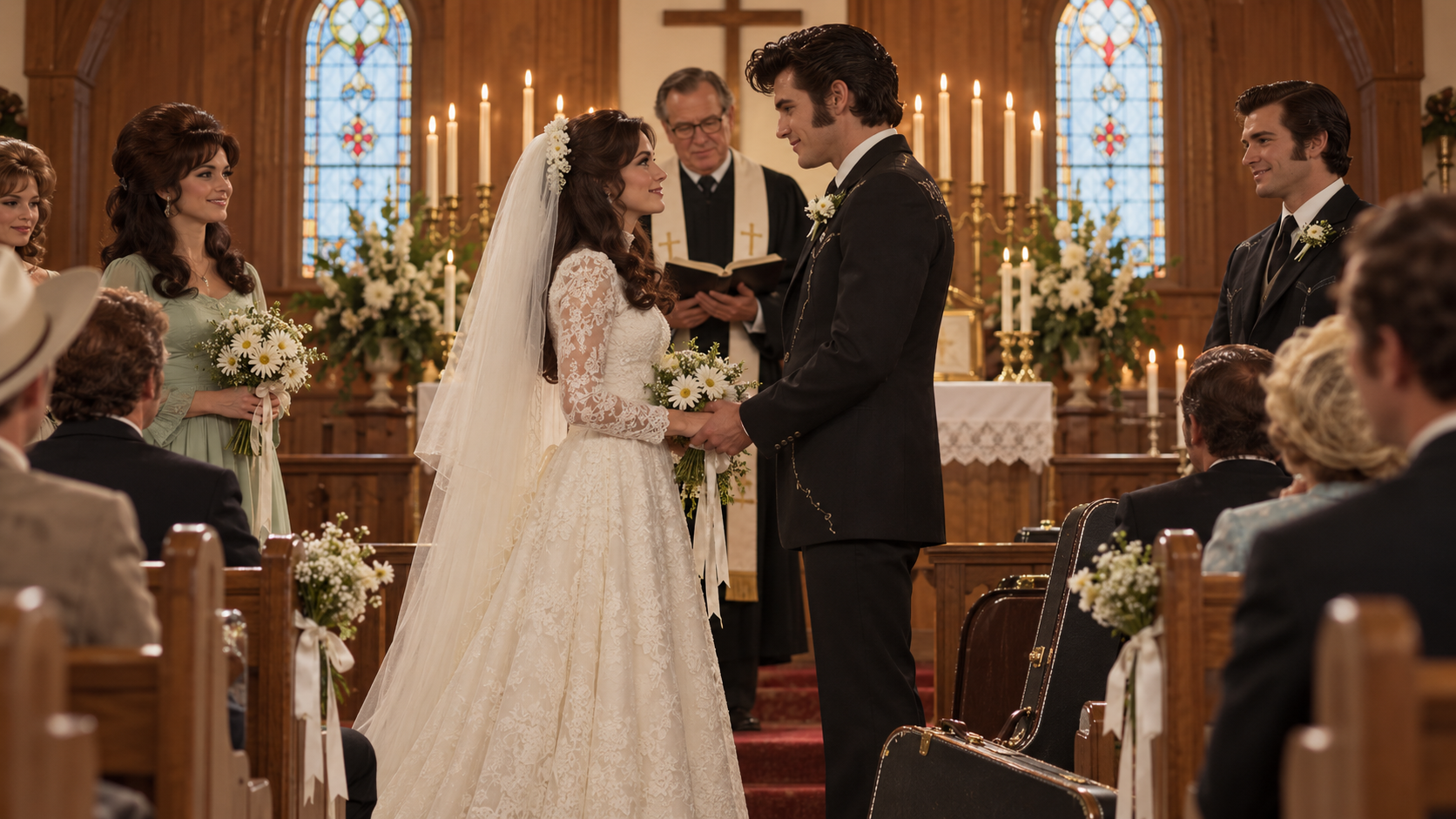
On March 1, 1968, Johnny Cash and June Carter married at First United Methodist Church in Franklin, Kentucky. Their wedding followed years of touring together and came only weeks after Cash proposed onstage in London, Ontario. Carter belonged to the pioneering Carter Family tradition, while Cash had become one of American music’s most distinctive voices. The ceremony joined two complicated personal histories as well as two deeply connected musical careers. Seen in its own time, the occasion was more than a tidy calendar entry. It emerged from choices by performers, writers, technicians, executives and audiences, each working within the opportunities and constraints of the period. Restoring that setting keeps the story human and specific instead of treating a complicated cultural shift as inevitable.
The marriage became a creative partnership visible onstage, on records and in the public story surrounding Cash’s recovery from addiction. Their duets balanced humor, tenderness and friction, and Carter remained both an artist in her own right and a stabilizing force in Cash’s life. Because their romance was later mythologized in songs, biographies and film, the real timeline matters: the wedding was one part of a relationship built through work, family ties and hard-won trust. The reaction also shows how popular culture gathers momentum. A premiere, broadcast, release or public appearance can feel self-contained on the day, yet its meaning expands through reviews, radio, television, sales, conversation and imitation. Those channels reach people unevenly, but together they can turn one event into a reference point that later work follows, revises or rejects.
Cash and Carter stayed married until June’s death in May 2003; Cash died less than four months later. Their union now occupies a rare place where country-music history and popular romance overlap, but its significance is larger than sentiment. It connects the Carter Family’s foundational influence with Cash’s modern outlaw persona and reminds listeners how performance partnerships can also shape survival, reinvention and legacy. That longer view is why the date still matters. It opens a door onto changes involving many contributors, including people whose labor was less visible than the headline names. Recordings, films, photographs and documents allow later audiences to reconsider both the achievement and its limits. Pop history is strongest when celebration is paired with context, and this anniversary leaves room for both. Its afterlife also shows that cultural memory is active: anniversaries, restorations, reissues and fresh criticism keep changing which details receive attention and which assumptions are questioned. Looking back does not mean pretending everyone experienced the moment alike; it means noticing the distance between a public milestone, the industry around it and the private reactions beyond the spotlight.
Johnny Cash and June Carter were married in Franklin, Kentucky, after Cash proposed during a concert earlier that year.
The setting and sequence matter because they show how Johnny Cash and June Carter’s wedding reached the public on this particular date.
The wedding formalized a partnership audiences already knew through touring and hit duets, while giving Cash crucial personal support.
The immediate response traveled through the era’s available channels, from press and broadcast coverage to ticket buyers, listeners and viewers.
Their marriage became one of country music’s defining partnerships and linked two major strands of the genre’s history.
Its reputation has kept developing through preservation, scholarship, revival and the interpretations of later audiences.
Explore more of "On This Day ..."
Discover more events from the same date across news, politics, technology, sports, and other fields. Each link highlights significant moments that shaped history on different fronts.