

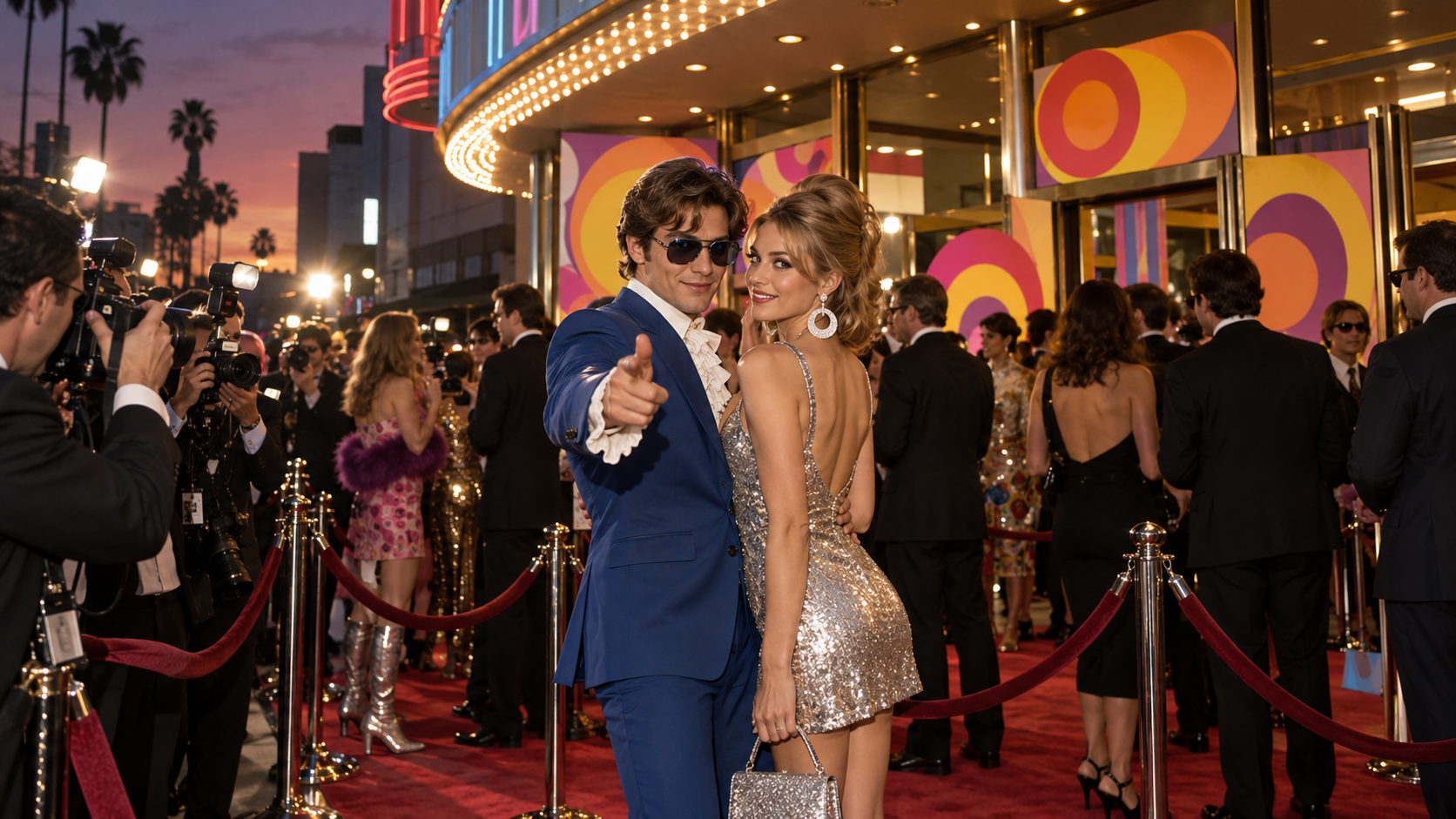
On This Day in Pop: May 2, 1997
On May 2, 1997, Austin Powers: International Man of Mystery opened in Los Angeles and New York. Mike Myers wrote the comedy and played both its hero, a flamboyant British photographer and secret agent frozen since the 1960s, and his bald supervillain opponent, Dr. Evil. Jay Roach directed, with Elizabeth Hurley, Michael York, Mimi Rogers and Robert Wagner surrounding the two Myers performances. The story sends Austin from a permissive, pop-colored London into the supposedly more sophisticated 1990s, allowing the film to parody espionage plots while making its own hero the object of the joke. Its theatrical launch was relatively modest, and the movie was not immediately treated as a major franchise. The opening instead began the slower process by which catchphrases, character impressions and home viewing turned a specialized spoof into a widely recognized piece of late-1990s comedy.
The film drew on the visual and musical vocabulary of James Bond adventures, television series such as The Avengers, and the broader American image of Swinging London. Myers had grown up in Canada with British popular culture and shaped Austin partly from memories of his father’s humor and taste. Production design used bold patterns, circular beds, improbable gadgets and go-go-club colors, while the score and editing treated parody with enough craft to make the invented world coherent. Dr. Evil’s mannerisms also lampooned the elaborate villainy of earlier spy stories, but his uneasy relationship with his son Scott gave the film a domestic comic engine. Some jokes have aged better than others, and the movie’s sexual humor and caricatures now invite scrutiny alongside its inventive performances. That mixture is central to understanding its place in the period.
Austin Powers earned far more attention after its theatrical run through rentals, cable broadcasts and repeated quotation. Two sequels followed, each released on a much larger commercial scale, and the series helped renew interest in brightly stylized 1960s fashion, lounge music and spy parody. Dr. Evil became an especially durable impression because viewers could reproduce his gestures and clipped speech outside the film. The franchise also demonstrated how the home-video market could change the apparent size of a theatrical success: a movie that opened without blockbuster expectations could build an audience after leaving cinemas. May 2 therefore marks the beginning of a cultural afterlife rather than an instant coronation. The film’s continuing appeal rests on that combination of affectionate genre knowledge, broad physical comedy and a lead performer willing to make both sides of the heroic conflict equally ridiculous.
The film opened in Los Angeles on May 2, with New York engagements beginning the same week.
Mike Myers wrote the screenplay and performed both Austin Powers and Dr. Evil.
Its design parodied the screen image of Swinging London and 1960s spy adventures.
The initial theatrical run was modest compared with the sequels that followed.
Home video, rentals and cable helped the comedy find a much larger audience.
The series made Dr. Evil, Austin's catchphrases and its retro production design widely recognizable.
Explore more of "On This Day ..."
Discover more events from the same date across news, politics, technology, sports, and other fields. Each link highlights significant moments that shaped history on different fronts.