

On This Day in Pop: June 14, 1991
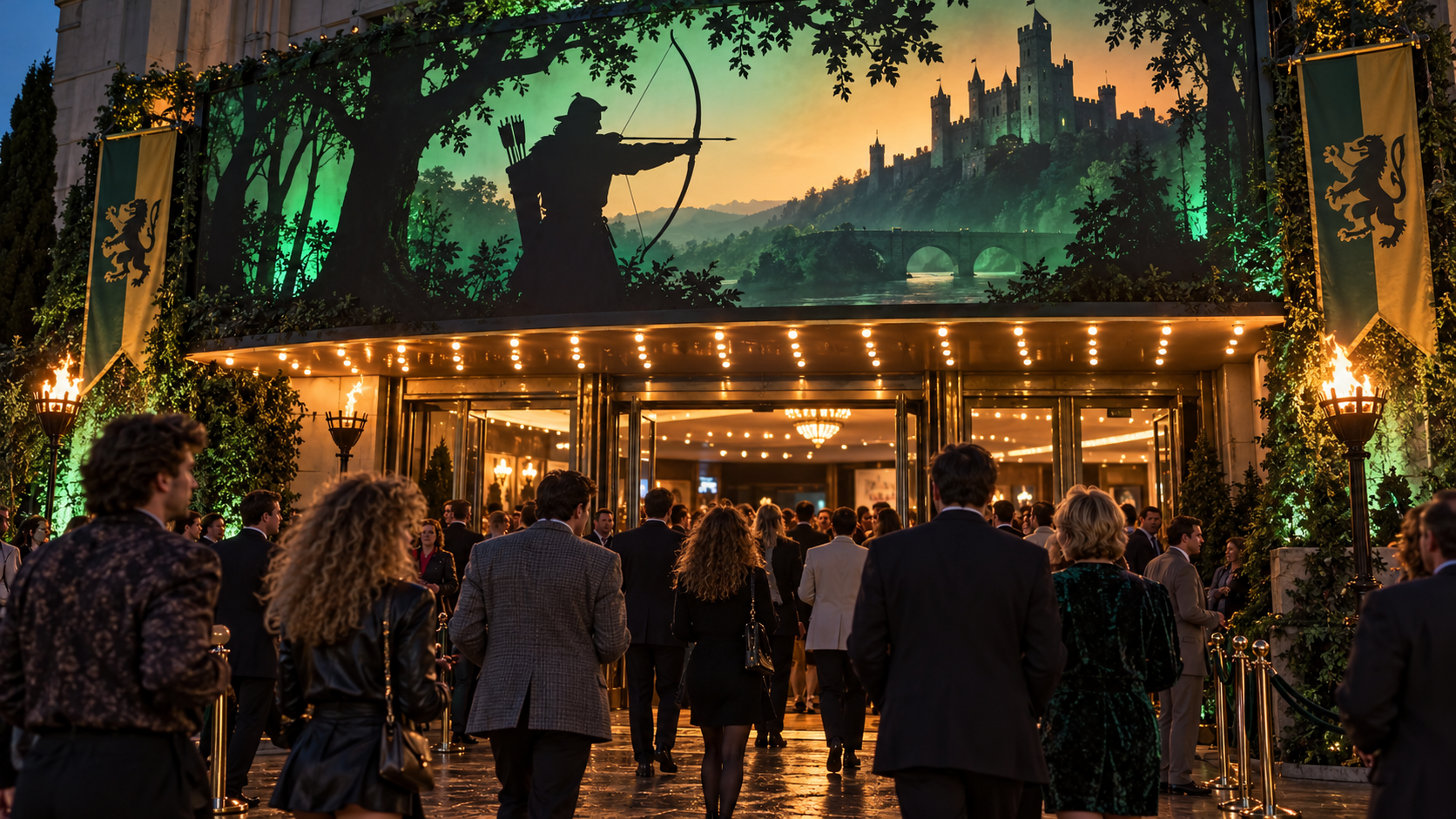
On June 14, 1991, Robin Hood: Prince of Thieves opened in the United States, bringing the English outlaw legend back as a large-scale summer adventure. Kevin Costner played Robin of Locksley, who returns from the Crusades to find his father dead and Nottingham ruled by Alan Rickman’s theatrical sheriff. Morgan Freeman’s Azeem, Mary Elizabeth Mastrantonio’s Marian and a band of forest rebels joined a story that moved from revenge toward collective resistance. Directed by Kevin Reynolds, the production used British landscapes, practical battles and a muscular Michael Kamen score to give the folk hero blockbuster scale. The movie took liberties with geography, accent and history, but it approached the familiar legend as a contemporary action drama rather than a museum piece.
The release mattered because it showed how thoroughly the 1990s blockbuster could remake public-domain mythology. Robin Hood had survived for centuries through ballads, novels, stage works and films, each era selecting the traits it needed. This version emphasized wounded masculinity, multicultural partnership, romantic destiny and rebellion against an exaggerated villain. Rickman’s performance supplied comic energy that sometimes seemed to belong to a more knowingly playful film, while Freeman gave Azeem moral authority and perspective rarely granted to Muslim characters in Hollywood adventure. The portrayal also carried simplifications of its own, but his presence widened the legend’s usual social frame. Audiences responded to the mixture: the film became one of the year’s biggest worldwide successes despite sharply divided reviews.
Its cultural afterlife includes archery imagery, parody-ready dialogue and Bryan Adams’s ballad (Everything I Do) I Do It for You, which became an international chart phenomenon and spent sixteen consecutive weeks at number one in Britain. The song extended the film’s romantic identity far beyond cinemas, demonstrating how soundtrack singles could give a blockbuster a second, sometimes larger, life. Later Robin Hood adaptations reacted against this version’s scale with grittier realism, revisionist politics or comedy, but each still entered a conversation the 1991 film helped renew. Prince of Thieves endures not because it settled the legend but because it understood its adaptability. On opening day, an old outlaw returned as a modern multimedia event—forest adventure, star vehicle, love story and power ballad moving together through global popular culture.
Remembering robin hood: prince of thieves opens on June 14 is valuable because anniversaries turn a familiar cultural object back into a specific decision, release or broadcast. The surrounding technology, business and audience conditions explain why the moment could happen then, while its later uses show that meaning never stops changing. Seen at that scale, the date is not trivia. It is a checkpoint between creation and memory: a place to separate what occurred from the legend accumulated around it and to ask why the work still attracts attention.
Robin Hood: Prince of Thieves opened on June 14, 1991, starring Kevin Costner, Morgan Freeman and Alan Rickman.
The moment reached audiences through the media and distribution systems of 1991, influencing how the initial response developed.
The film reworked the public-domain legend as a large-scale international summer action adventure.
Its early impact was substantial but not universal, and later retellings sometimes compressed a more complicated contemporary response.
Its soundtrack ballad (Everything I Do) I Do It for You became a major global hit with a record British chart run.
Anniversary coverage continues to place Robin Hood Opens within the broader history of popular culture while distinguishing documented evidence from later legend.
Explore more of "On This Day ..."
Discover more events from the same date across news, politics, technology, sports, and other fields. Each link highlights significant moments that shaped history on different fronts.