

On This Day in Pop: July 11, 1960
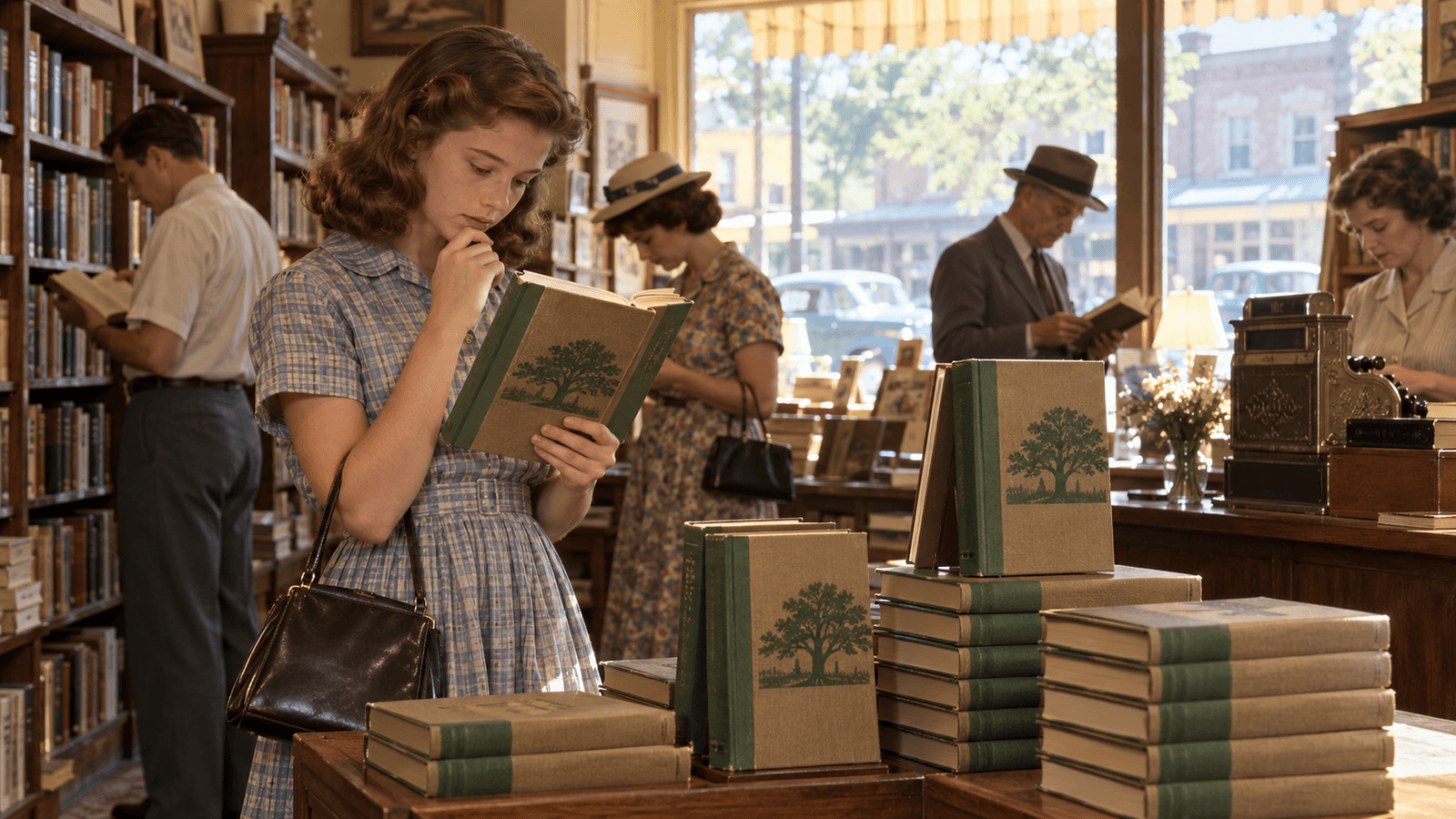
On July 11, 1960, J. B. Lippincott published Harper Lee’s first novel, To Kill a Mockingbird. Set in the fictional Alabama town of Maycomb during the Depression, the book follows Scout Finch as her father, attorney Atticus Finch, defends Tom Robinson, a Black man falsely accused of raping a white woman. Scout’s childhood voice moves between neighborhood mystery, family memory and the violence of a segregated legal system. The reclusive Boo Radley first appears to be the center of the children’s fears, but the trial reveals the deeper danger created by adult prejudice and power. Lee drew from elements of her Monroeville upbringing while shaping them into fiction rather than direct autobiography.
The publication mattered because the novel reached a mass audience during the modern civil rights movement and framed racial injustice through a white child’s moral awakening. It became a bestseller, won the 1961 Pulitzer Prize for Fiction and was adapted into an acclaimed 1962 film starring Gregory Peck. Atticus became an ideal of principled advocacy for many readers, yet later criticism has examined the limits of that perspective: Tom receives little interior life, Black communities remain largely outside Scout’s narration and moral progress is centered on white conscience. Those questions do not make the book historically irrelevant; they explain why classrooms continue to argue about what it reveals and what it cannot see.
To Kill a Mockingbird became one of the most widely assigned American novels, inspiring stage versions, public reading programs and recurring censorship fights over language, sexuality and its treatment of race. Harper Lee published no second novel for more than half a century; Go Set a Watchman appeared in 2015 under circumstances that produced debate about consent, editing and how readers had idealized Atticus. July 11 therefore marks the beginning of a complicated cultural life, not the arrival of a settled moral lesson. The novel can open conversations about empathy and injustice, but responsible reading also asks whose experience is centered, whose voice is missing and how historical context changes the authority audiences grant a beloved book.
Remembering to kill a mockingbird is published on July 11 is valuable because anniversaries turn a familiar cultural object back into a specific decision, release or broadcast. The surrounding technology, business and audience conditions explain why the moment could happen then, while its later uses show that meaning never stops changing. Seen at that scale, the date is not trivia. It is a checkpoint between creation and memory: a place to separate what occurred from the legend accumulated around it and to ask why the work still attracts attention. That perspective also restores the labor of collaborators, distributors and audiences whose choices helped a single event travel beyond its first setting. Cultural history becomes clearer when the remembered icon is reconnected to the systems and people that made it visible.
J. B. Lippincott published To Kill a Mockingbird on July 11, 1960.
The remembered moment placed Mockingbird Is Published inside the technology, audience habits and creative choices of 1960. Those conditions explain why it could happen then and why contemporary reactions differed from later memory.
Harper Lee's novel won the 1961 Pulitzer Prize and became a widely taught work of American fiction.
Its immediate importance came from the way audiences, distributors and other creators responded. The event gained force beyond its first release or appearance as people repeated, debated and reinterpreted it.
Its popularity is accompanied by continuing criticism of perspective, representation and classroom use.
Over time, the event became a reference point for later work in popular culture. Its legacy includes both the achievement itself and the changing arguments about what should be celebrated, questioned or rediscovered.
Explore more of "On This Day ..."
Discover more events from the same date across news, politics, technology, sports, and other fields. Each link highlights significant moments that shaped history on different fronts.