

On This Day in Pop: August 19, 1964
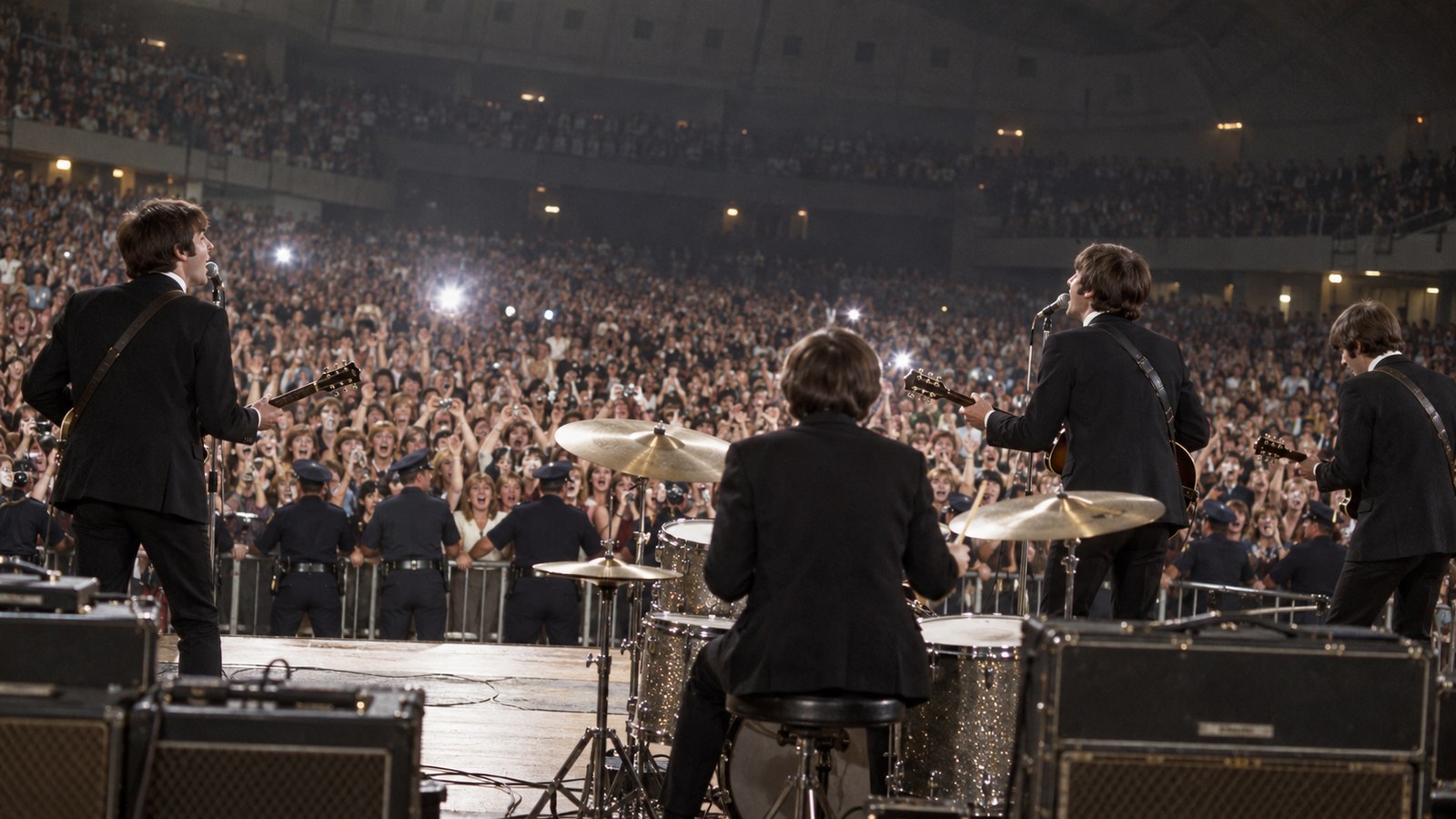
On August 19, 1964, the Beatles opened their first full North American tour at the Cow Palace. The band played the arena south of San Francisco before more than seventeen thousand fans, beginning a rapid journey through major cities in the United States and Canada. Police lines, press conferences and constant screaming defined an event whose logistics had little precedent for a pop group. The Beatles had conquered American television on The Ed Sullivan Show earlier that year, but a tour required promoters and local authorities to translate broadcast excitement into transportation, security and sound inside large buildings designed for sports or exhibitions. The date is a useful point of entry because it captures the event before later reputation made its consequences appear inevitable. Contemporary audiences encountered a new release, performance or public loss in real time, with incomplete information and expectations shaped by the media and institutions of the period.
The music was often difficult to hear over the audience, and amplification systems were not built for the scale of Beatlemania. The spectacle therefore depended as much on physical presence and collective emotion as on the details of the songs. Popular culture is created through more than the famous person at the center: producers, technicians, exhibitors, broadcasters, audiences and physical venues all affect what survives. Looking closely at those conditions prevents an anniversary from becoming a list of familiar names and restores the choices, limitations and competing interests that surrounded the moment.
The tour established a new commercial model for rock travel while exposing its limits: rushed sets, unsafe crowd pressure and little opportunity for musical development. Those conditions contributed to the band’s decision to end regular touring two years later. That later history matters because influence is not a straight line. Works are rediscovered, technologies change, communities attach new meanings and commercial owners repackage the past. The most durable pop events remain open to argument, allowing admiration for creative achievement to exist beside criticism of exclusion, labor, power or representation.
August 19 marks the point when a British pop phenomenon became a sustained North American road operation. The Cow Palace show helped turn the arena into a normal destination for rock, even before technology could make the music work comfortably inside one. Anniversaries can flatten history into celebration, but they can also reopen it. Returning to this August date means separating what participants knew then from what later audiences added, and noticing how recordings, photographs, broadcasts and personal memories keep the event active. That distance between the immediate moment and its long afterlife is what makes this episode worth revisiting as part of popular culture.
The Beatles opened their first full North American tour on August 19, 1964.
On August 19, 1964, the Beatles opened their first full North American tour at the Cow Palace. The band played the arena south of San Francisco before more than seventeen thousand fans, beginning a rapid journey through major cities in the United States and Canada.
The first show was at the Cow Palace near San Francisco.
The music was often difficult to hear over the audience, and amplification systems were not built for the scale of Beatlemania. The spectacle therefore depended as much on physical presence and collective emotion as on the details of the songs.
The tour expanded the scale of rock promotion while revealing serious sound and security problems.
The tour established a new commercial model for rock travel while exposing its limits: rushed sets, unsafe crowd pressure and little opportunity for musical development. Those conditions contributed to the band's decision to end regular touring two years later.
Explore more of "On This Day ..."
Discover more events from the same date across news, politics, technology, sports, and other fields. Each link highlights significant moments that shaped history on different fronts.