

On This Day in Pop: August 27, 1967
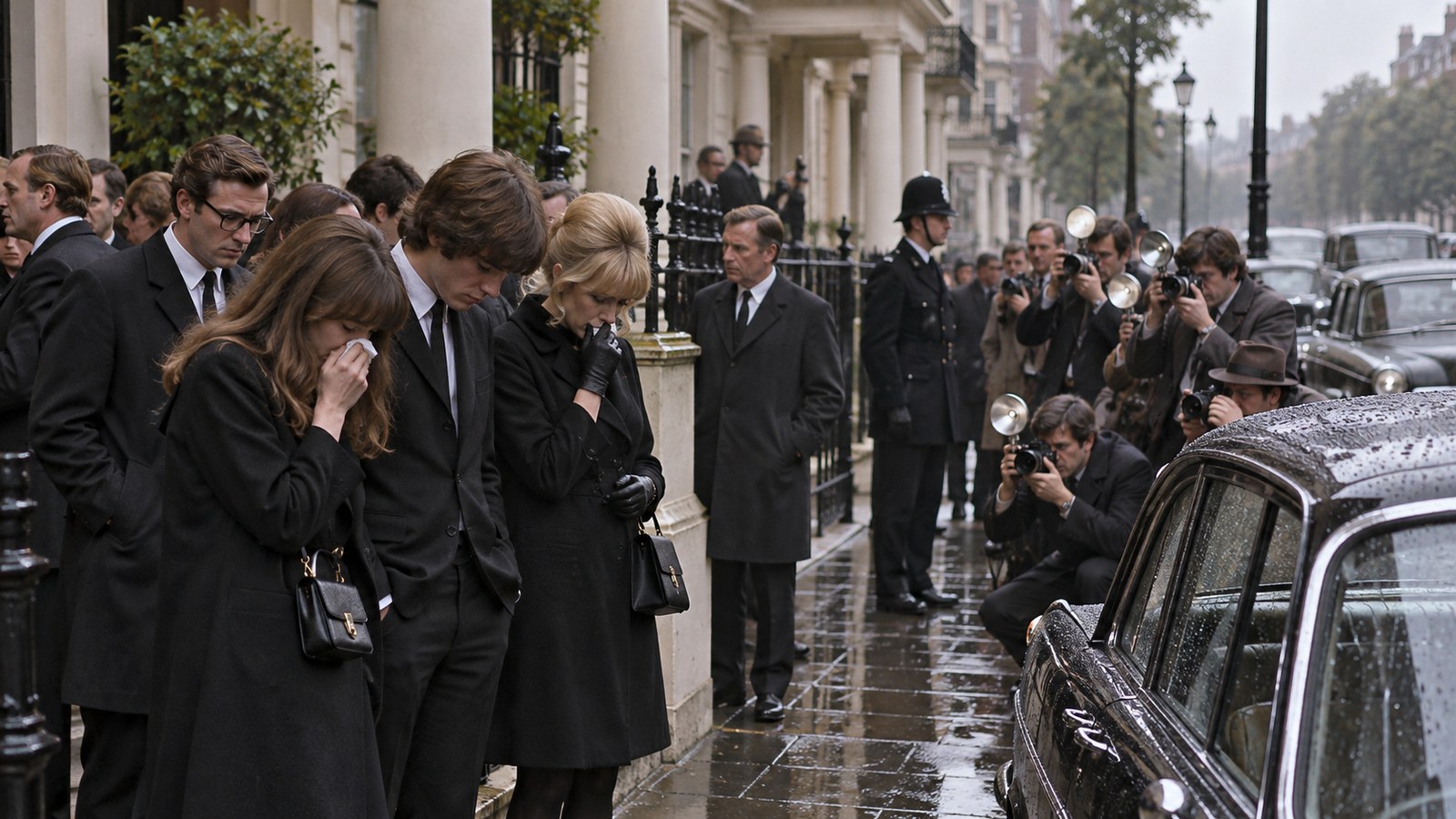
On August 27, 1967, Beatles manager Brian Epstein died in London. Epstein was found dead at his Belgravia home at age thirty-two while the Beatles were away studying meditation in Wales. His death from an accidental overdose of prescribed medication removed the person who had guided the group from Liverpool clubs into international business. A record-shop manager with little prior artist-management experience, Epstein recognized the Beatles’ appeal, refined their presentation and pursued recording opportunities through repeated rejection. He later managed other Liverpool acts and helped package Merseybeat for national audiences. The date is a useful point of entry because it captures the event before later reputation made its consequences appear inevitable. Contemporary audiences encountered a new release, performance or public loss in real time, with incomplete information and expectations shaped by the media and institutions of the period.
His contracts and business decisions have been criticized, but his diplomatic role inside the Beatles organization was difficult to replace. He balanced personalities, promoters, press and schedules while maintaining a sense of direction around a group whose interests were rapidly diverging. Popular culture is created through more than the famous person at the center: producers, technicians, exhibitors, broadcasters, audiences and physical venues all affect what survives. Looking closely at those conditions prevents an anniversary from becoming a list of familiar names and restores the choices, limitations and competing interests that surrounded the moment.
The Beatles continued to record major work, yet management uncertainty contributed to later financial and personal conflict. Apple Corps became both an ambitious creative company and a source of confusion, and the band’s eventual choice of new management deepened divisions. That later history matters because influence is not a straight line. Works are rediscovered, technologies change, communities attach new meanings and commercial owners repackage the past. The most durable pop events remain open to argument, allowing admiration for creative achievement to exist beside criticism of exclusion, labor, power or representation.
August 27 recalls a behind-the-scenes figure whose influence can disappear when pop history centers only performers. Epstein’s career shows that taste, persistence and trust can be as consequential as formal expertise, while sudden loss exposes the invisible labor holding fame together. Anniversaries can flatten history into celebration, but they can also reopen it. Returning to this August date means separating what participants knew then from what later audiences added, and noticing how recordings, photographs, broadcasts and personal memories keep the event active. That distance between the immediate moment and its long afterlife is what makes this episode worth revisiting as part of popular culture.
Brian Epstein died on August 27, 1967, at age thirty-two.
On August 27, 1967, Beatles manager Brian Epstein died in London. Epstein was found dead at his Belgravia home at age thirty-two while the Beatles were away studying meditation in Wales.
He had managed the Beatles from their Liverpool club years into global success.
His contracts and business decisions have been criticized, but his diplomatic role inside the Beatles organization was difficult to replace. He balanced personalities, promoters, press and schedules while maintaining a sense of direction around a group whose interests were rapidly diverging.
His death left a management vacuum during a period of growing financial and creative complexity.
The Beatles continued to record major work, yet management uncertainty contributed to later financial and personal conflict. Apple Corps became both an ambitious creative company and a source of confusion, and the band's eventual choice of new management deepened divisions.
Explore more of "On This Day ..."
Discover more events from the same date across news, politics, technology, sports, and other fields. Each link highlights significant moments that shaped history on different fronts.